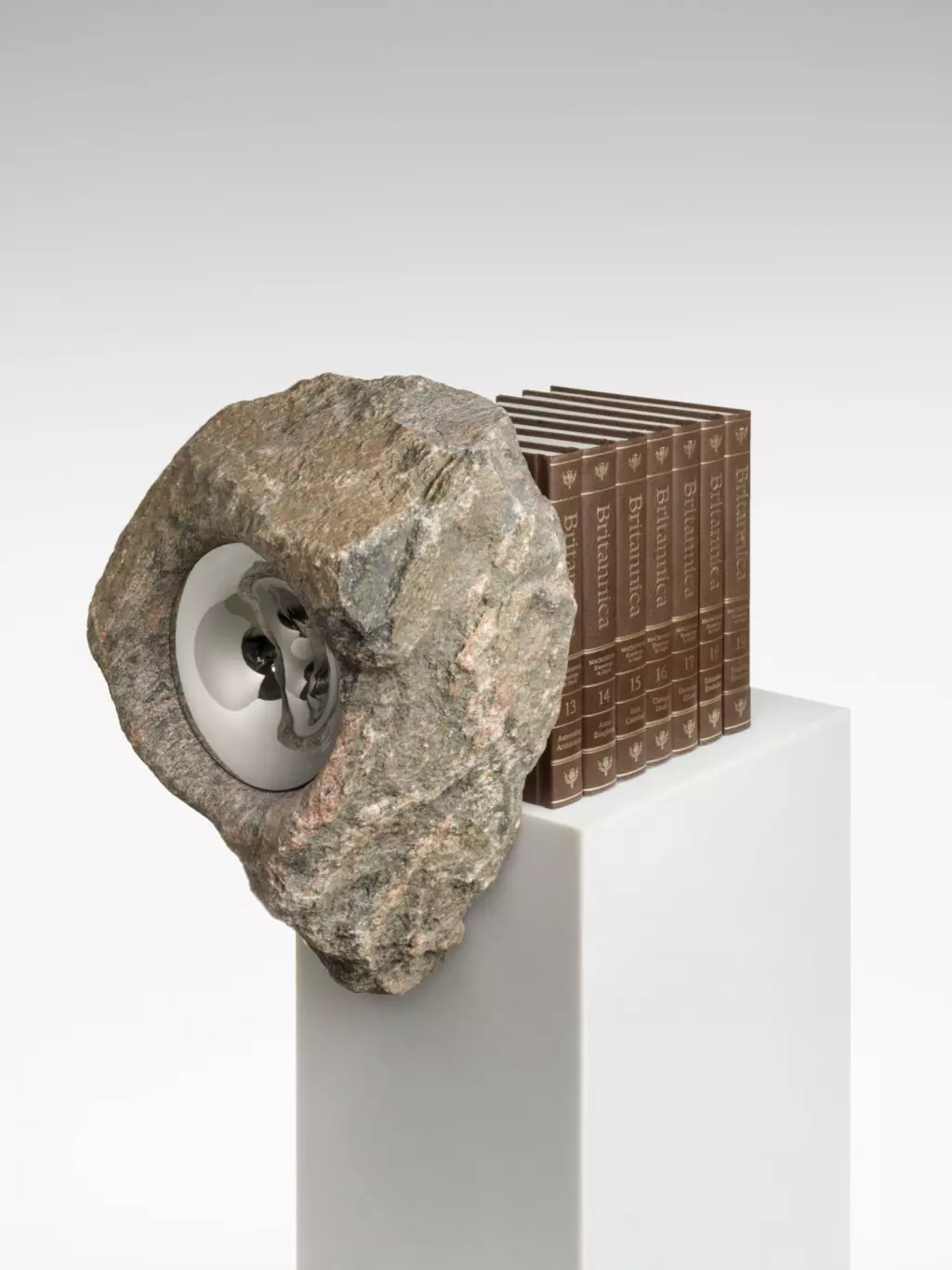
 Image: Alicja Kwade, Know-ledge (accounting geometry), 2023. Stone, stainless steel, books, marble, 138.1 x 44.9 x 35 cm. The Ekard Collection
Museum Beelden aan Zee in The Hague will devote its exhibition "STONE," on view from January 27 to June 27, 2027, to the development of modern and contemporary sculpture in stone. According to the museum, it is the first time an overview of this scale on the subject has been assembled in the Netherlands. Curated by Brigitte Bloksma, the show brings together more than fifty major works lent by museums and private collections around the world.
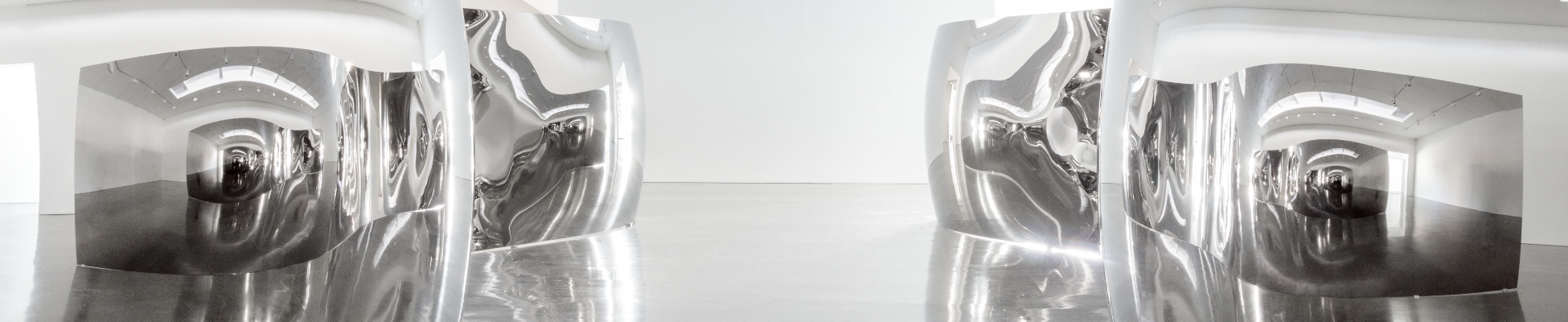
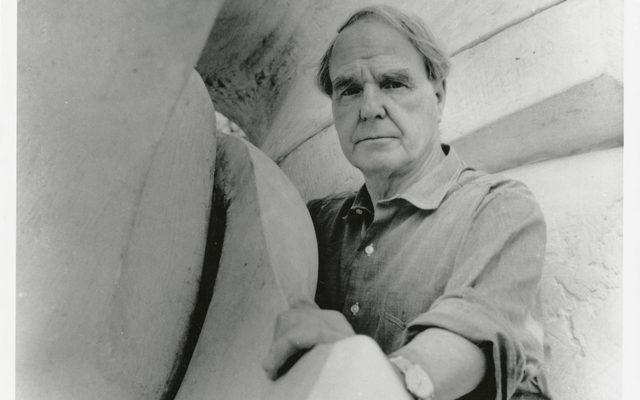
The exhibition follows stone from the end of the Second World War onward, tracing how a material long tied to classical sculpture came to carry abstraction, conceptual art, spiritual ideas and present-day social concerns. Its international roster includes Barbara Hepworth, Henry Moore, Louise Bourgeois, Jean (Hans) Arp, Naum Gabo, Isamu Noguchi, Eduardo Chillida, Richard Long, Anish Kapoor, Ugo Rondinone and Alicja Kwade, alongside artists such as Claudia Comte, José Dávila, Tom Waugh, Abdus Salaam and Seung-taek Lee.
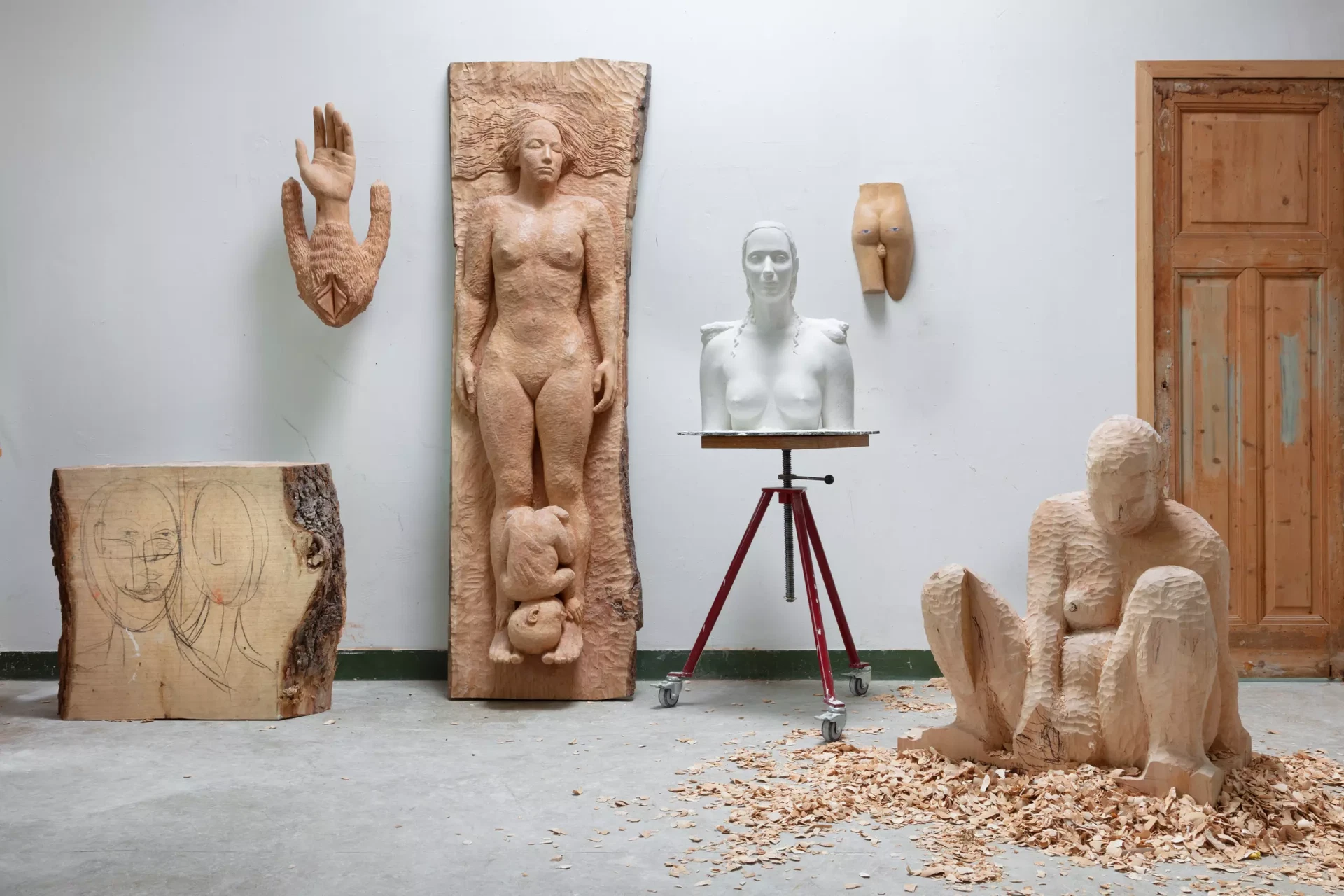
Dutch sculpture is given a prominent place within that wider picture. Works by Mari Andriessen, Jan Meefout, Leo de Vries, Piet Killaars, Jan van Munster and Femmy Otten represent the range of stone carving in the Netherlands, while artists who have worked in the country for many years, among them Thom Puckey, illustrate its role as an international meeting point for sculptors, where craft, experiment and exchange come together.
A central thread is the encounter between Western and non-Western approaches to the material. Artists from Europe, Japan, Korea, Africa and the Americas bring different cultural starting points, and the museum points to influences ranging from Japanese garden culture and the Mono-ha movement to African spirituality and European modernism. The exhibition sets out to show how this exchange across continents helped renew sculpture internationally, and how the Netherlands took part in it.
The display is organized in four themes: the body in stone, the landscape in stone, abstraction in stone and "the thinking stone." Together they consider stone as a vehicle for physical presence, nature, abstract form, memory, ritual and conceptual thought, moving from the human figure and land art to minimal and philosophical works.
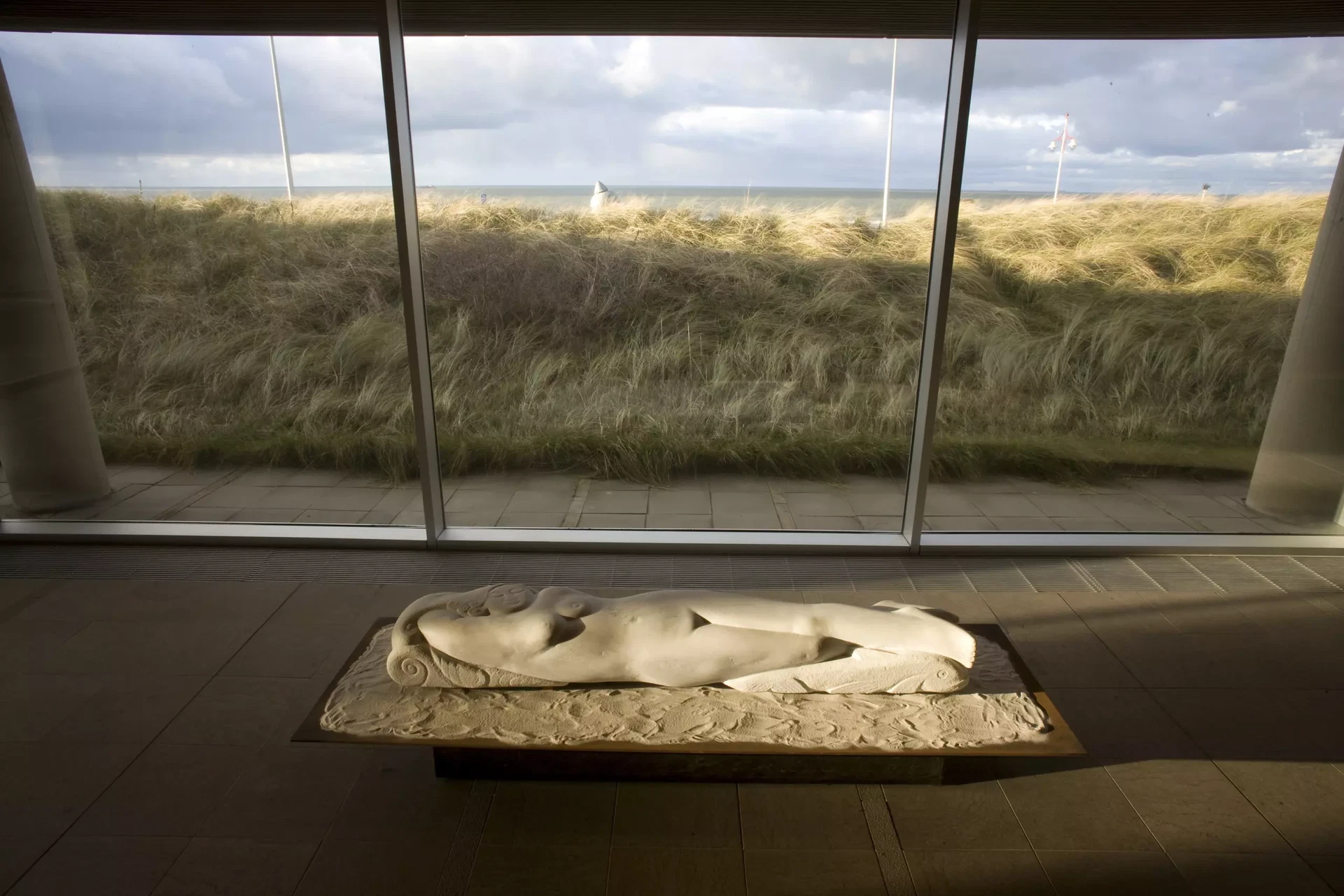
The museum's own collection is represented by Jan Meefout's marble "Sluimerende Venus" (Slumbering Venus, 1984), and among the international loans is Alicja Kwade's "Know-ledge (accounting geometry)" (2023), which combines stone, stainless steel, books and marble. In the museum's framing, the show presents one of the oldest materials in art history as a medium that remains strikingly current.