 Image: Thyssen-Bornemisza Museum, Madrid
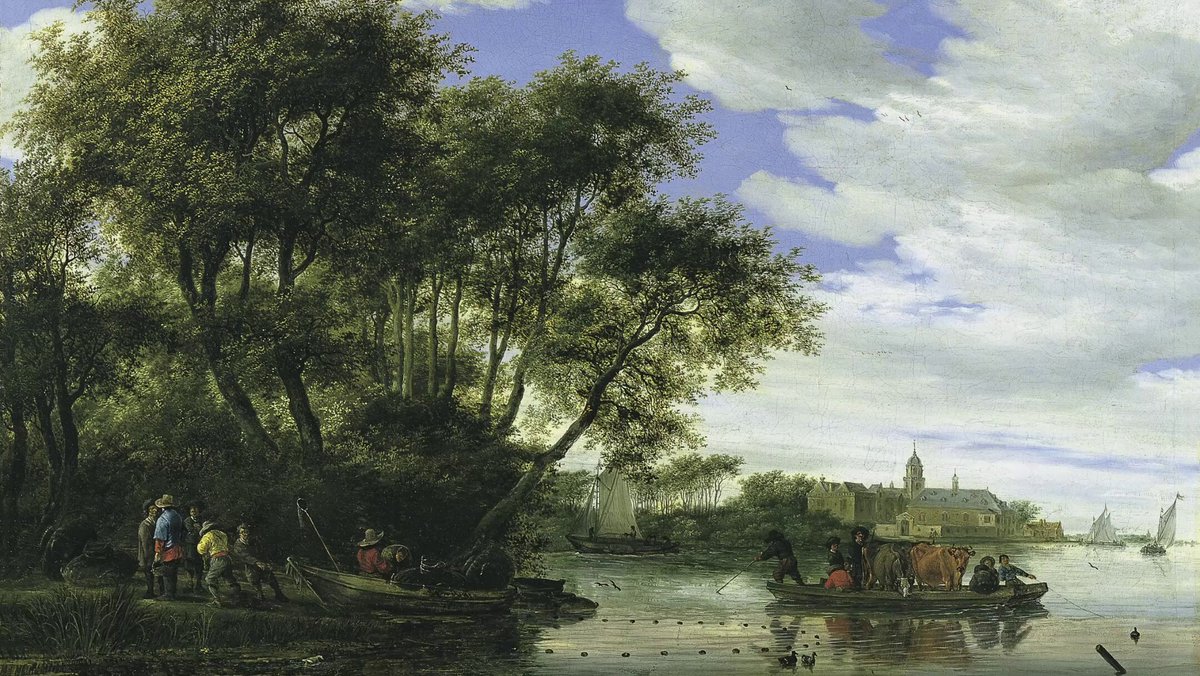
The Thyssen-Bornemisza Museum in Madrid has highlighted a 1663 painting by Dutch landscape artist Salomon Jacobsz. van Ruysdael, sharing the work under its Spanish title, 'Vista del río Vecht, con un embarcadero, pescadores y el Castillo de Nijenrode en la lejanía'. The museum’s post presents the painting as a focused look at a river scene with a landing stage, fishermen and Nijenrode Castle visible in the distance.
The work is identified in the museum’s social media post simply by artist, title and date, with no additional curatorial text attached. Still, the subject places it firmly within the genre of Dutch landscape painting, where river views, everyday labor and distant architecture often combine to form carefully observed scenes. Here, the Vecht river serves as the setting for both human activity and a recognisable landmark on the horizon.
Salomon Jacobsz. van Ruysdael, active in the 17th century, is named by the museum as the painter of the work. The museum’s description underscores the painting’s specific geographical reference to the Vecht and to Castle Nijenrode, indicating a composition rooted in a real Dutch riverside environment rather than an invented pastoral setting.
The post forms part of the museum’s online presentation of artworks and offers a direct identification of the painting’s subject, making the image itself the main focus. No exhibition title, loan information or display context accompanied the post, and the museum did not provide further interpretive details in the material supplied.
By drawing attention to a dated landscape from 1663, the museum adds another example of the historical holdings and references that shape its digital communications. The painting’s combination of river traffic, figures and architecture reflects the close attention to place that characterises much of Dutch art of the period, while the castle in the distance anchors the scene in a named site rather than a generic countryside view.