 Image: Thyssen-Bornemisza Museum, Madrid
Europe’s autumn 2026 museum season will revisit canonical artists through encounters between works, ideas and biographies rather than straightforward celebration. Across Spanish and European institutions, Salvador Dalí will be examined through Sigmund Freud, Picasso will appear in three separate exhibitions, and artists including Rainer Maria Rilke, Francisco de Zurbarán, Mary Cassatt and Jan van Eyck will be approached through literature, history, architecture and psychology. The programme also gives prominent space to contemporary figures such as Steve McQueen, Marta Minujín and Anselm Kiefer.
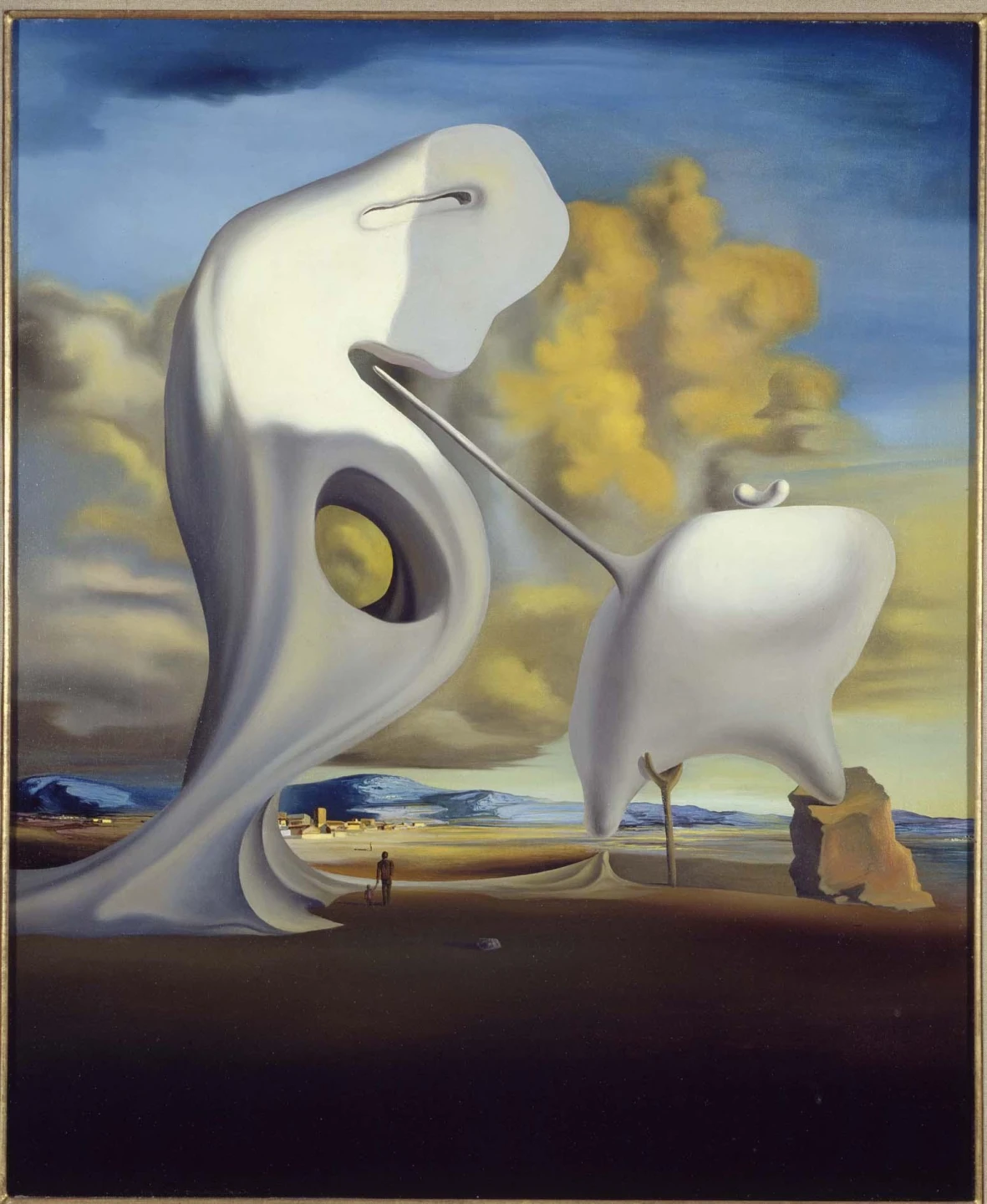
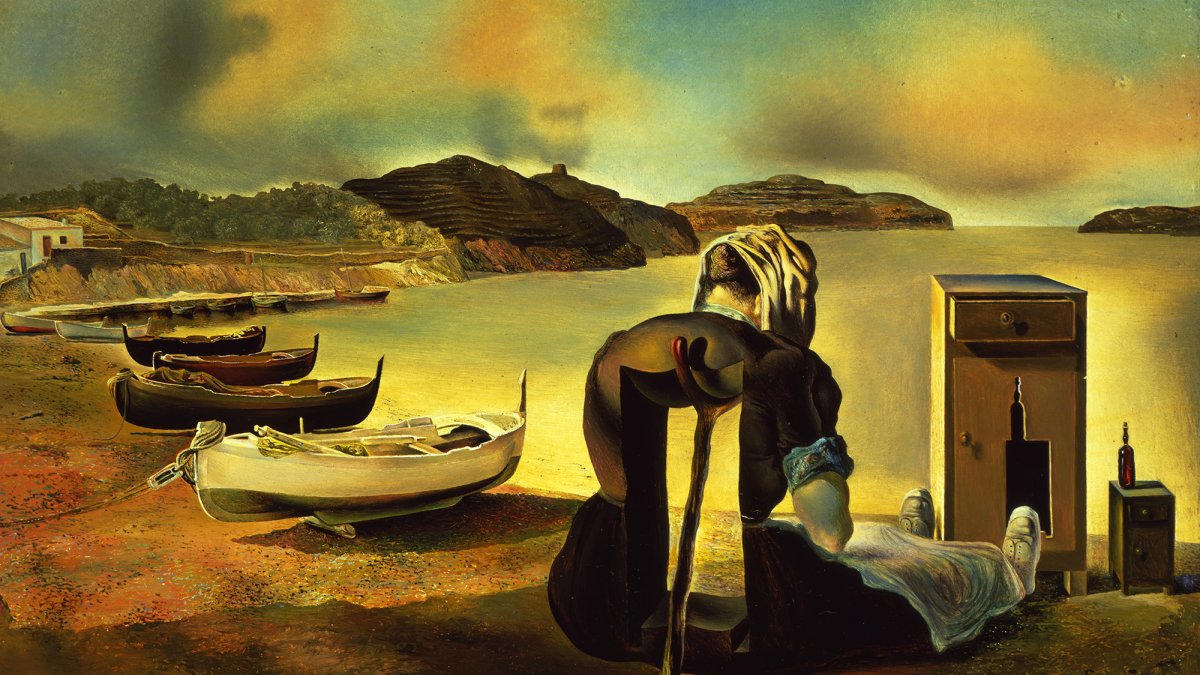
A central case study opens at Madrid’s Thyssen-Bornemisza Museum on 20 October with ‘El universo freudiano de Dalí’. The exhibition, curated by Jaime Brihuega and running until 24 January 2027, is arranged in seven chronological sections that pair Dalí’s paintings and drawings with reference works by artists including Jean Arp, Max Ernst and Pablo Picasso, tracing his long but unreciprocated relationship with Freud. Its focus is not simply the meeting of two famous names: it follows a connection between Freud’s investigation of the unconscious and Dalí’s translation of that archaeology into painting.
The story reaches back to London in 1938, when Dalí arrived in Hampstead carrying ‘La metamorfosis de Narciso’ (1937) and a poem about paranoia that he had long wanted to put into Freud’s hands. Freud admired the painter’s technical command, but did not give him the recognition he sought.
Picasso’s work is distributed across three cities, with each exhibition attaching him to a different historical question. In Paris, the Musée Picasso will reconstruct from 20 September a 1973 dialogue involving André Malraux and Jacqueline Roque. The episode centres on Malraux’s encounter with the accumulation of fetishes and African masks in Picasso’s studio, material connected to the idea of the musée imaginaire that later crystallised in Malraux’s essay ‘La cabeza de obsidiana’.
In Málaga, an exhibition opening on 30 October sets Picasso against Edvard Munch in a confrontation defined by Nordic agoraphobia and Mediterranean theatricality. Barcelona turns Picasso towards architecture from 20 November. The Museu Picasso will trace the subject from ‘Guernica’ to the 1962 friezes for the Col·legi d’Arquitectes de Catalunya, identifying Cubist fragmentation, collage and transparency as tools later adopted by modern architecture.
The same questioning extends beyond Picasso and Dalí. The Fundació Joan Miró will present Charlotte Perriand from 9 October; she shared a decade of studio work with a French-Swiss architect before the history of design erased her from the firm’s signature. The Museo del Prado will follow the traces of Spanish art in Rilke’s work from 17 November, while the Louvre will devote a major retrospective to Zurbarán from 7 October. In London, the National Gallery will examine the psychology of Jan van Eyck’s portraits in November. Together, these exhibitions make biography, reception and historical emphasis part of the subject rather than invisible scaffolding around it.
The contemporary programme keeps the autumn from becoming only an exercise in inherited reputations. The Reina Sofía will reinstall Marta Minujín’s ‘La Menesunda’ on 18 November. The Guggenheim Bilbao will present Steve McQueen in a programme framed by political gravity and a documentary pulse, while La Pedrera will devote an exhibition to Anselm Kiefer from 2 October. In this season, retrospectives and contemporary presentations alike ask which artists and histories remain central, and which require their place in the canon to be reconsidered.