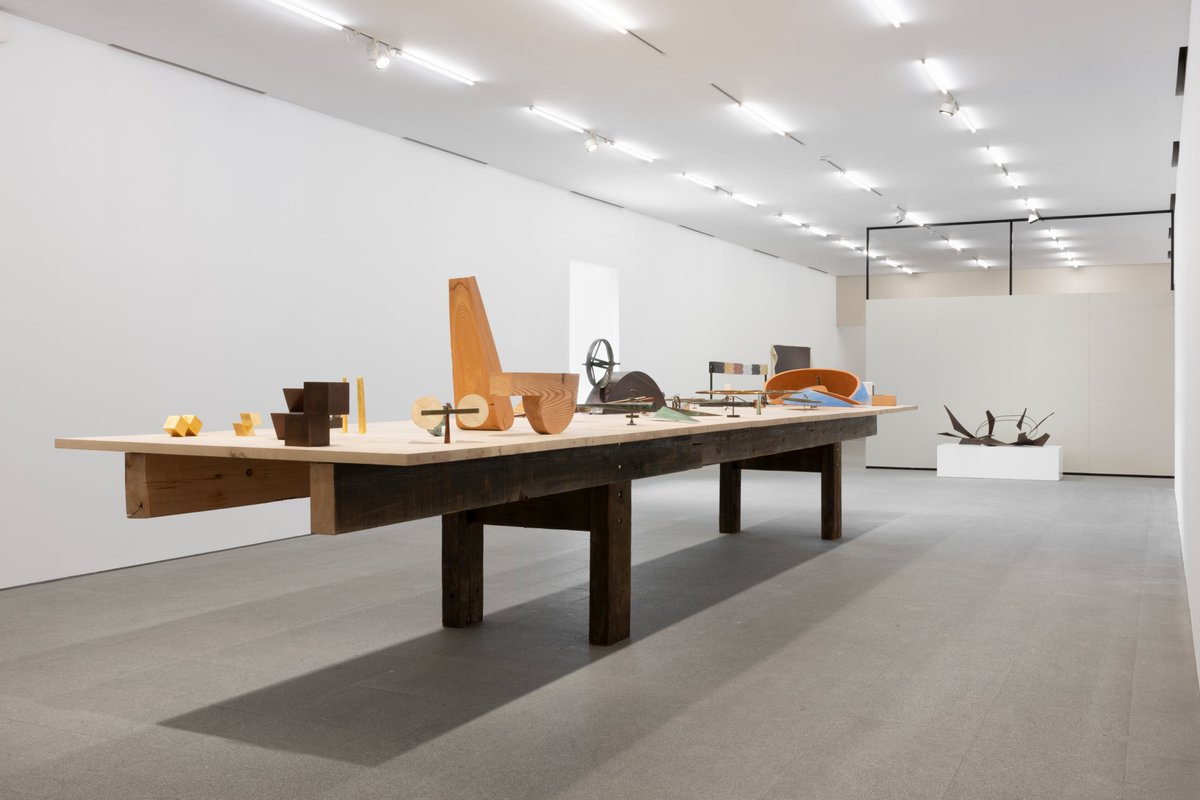
 Image: Museo Nacional Centro de Arte Reina Sofía, Madrid
Museo Nacional Centro de Arte Reina Sofía in Madrid is presenting its ‘Collection: Contemporary Art, 1975-Present’ on the fourth floor of the Sabatini Building, where the museum says the display traces the history of the last 50 years through a selection of works from its holdings. The collection page frames the installation as a broad account of contemporary art shaped by social, political and institutional change, with the museum positioning the present as something made collectively rather than simply inherited.
The permanent display is organized around three itineraries and begins from a set of rooms that focus on the 1970s and the years that followed. The museum’s introductory text links the emergence of contemporary art to late-1960s cultural shifts, including countercultural movements, the second wave of feminism, ecological awareness and decolonization in the global south. It also emphasizes that the presentation is revisable and structured around multiple temporalities rather than a single linear narrative.
The first itinerary, ‘A History of Affections in Contemporary Art,’ begins with rooms on emotional structures of the Transition, material counterculture, and the limits of an institutional regime for art in democracy. The museum highlights artists and works including Pepe Espaliú’s ‘Sin título (Tres jaulas)’ from 1992, and outlines themes ranging from feminist conceptions of the body to the social effects of AIDS, heroin in Spain, and the impact of the terrorist attacks of 11 September 2001 and their echoes in Madrid in 2004. Other featured works named by the museum include ‘Íntimo y personal,’ ‘Arthur Rimbaud in New York (Arthur Rimbaud en Nueva York),’ and ‘En ausencia de Willy.’
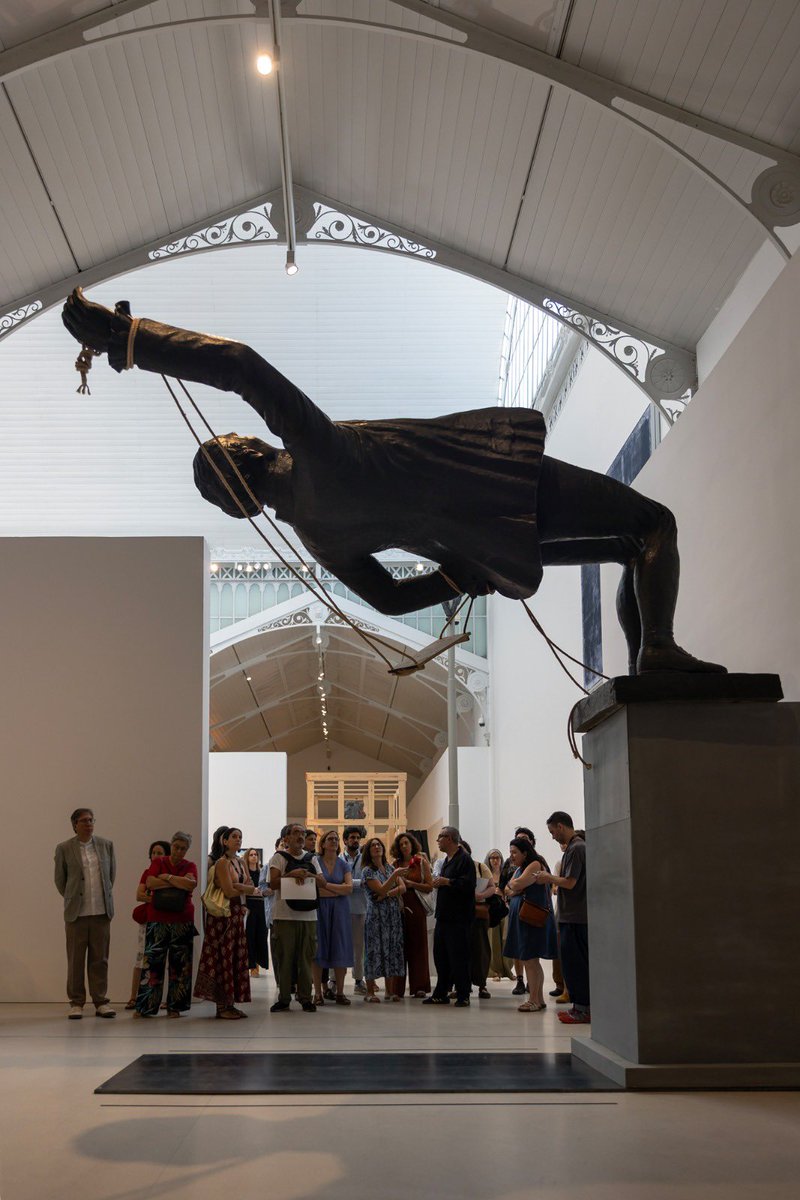
The second itinerary, ‘The Powers of Fiction. Sculpture, New Materialisms and Relational Aesthetics,’ is described by Reina Sofía as a sculptural gallery in which sculpture shares physical space with the visitor. The museum says this section places emphasis on tactility, objects and bodies, and on new material relationships that emerged in the 1980s. It identifies the itinerary as a route through structuralist sculpture in the 1970s, cold auras, new materialisms and relational practices involving bodies, and notes works such as ‘La mesa,’ ‘No te pases, con escalera de emergencia,’ ‘Éxtasis, estatus, estatua,’ ‘Tuneladora’ and ‘Baranda de Alcamé.’
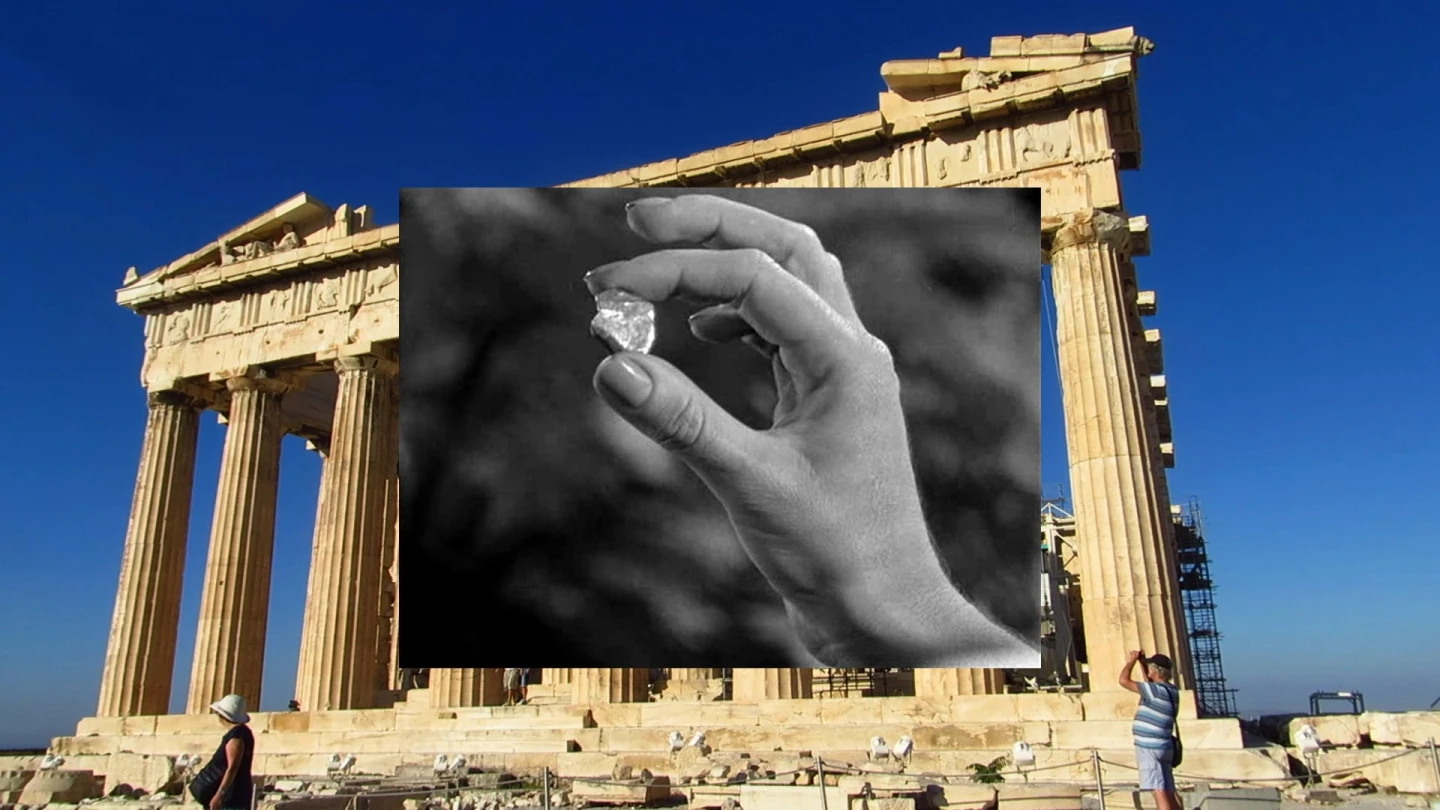
The third itinerary, ‘A New Framework. The Institution, the Market and the Art That Exceeds Them,’ follows the growth of cultural institutions in Spain after the 1980s. Reina Sofía notes that the museum itself was founded as a center of art in Madrid’s former General Hospital in 1986. The display addresses the different institutional fortunes of painting, video art and photography, and points to the rise of the multidisciplinarity associated with the 2000s, including Carles Congost’s video work about a footballer who decides to become a video artist. Works highlighted here include ‘Matisse de día, Matisse de noche,’ ‘Patosa,’ ‘La confesión (Saavedra, Lugo),’ ‘S/T’ and ‘Femenine in nine, part 4.’
The fourth-floor presentation also includes a rest area called ‘Alhacena’ and offers an information plan for visitors. Reina Sofía lists the installation as part of its main site, which comprises the Sabatini and Nouvel buildings, and notes that the Collections range from the early avant-gardes to the present.