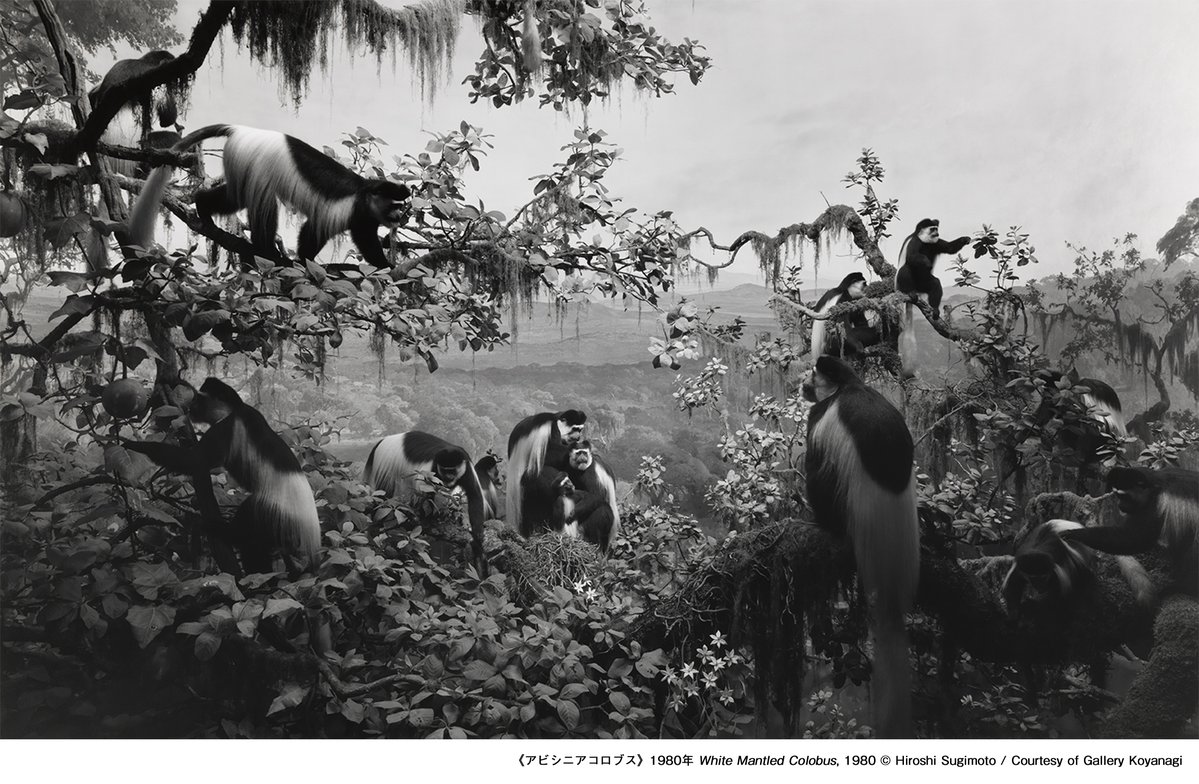
 Image: The National Museum of Modern Art, Tokyo
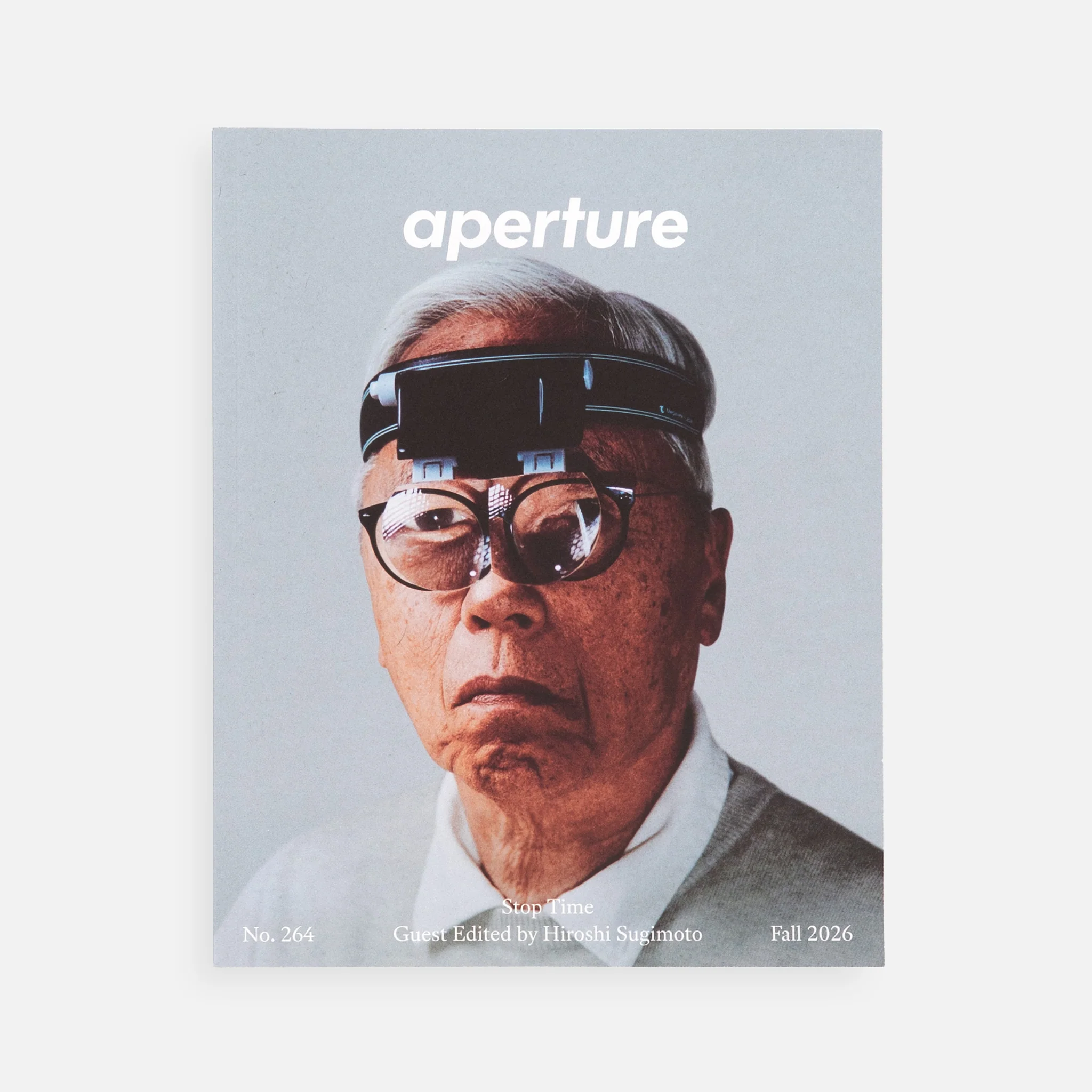
The National Museum of Modern Art, Tokyo, is drawing attention to Hiroshi Sugimoto’s photography with a post that focuses on his images of museum dioramas and well-known wax figures. In the museum’s framing, these subjects share with photography the ability to render an object’s appearance with striking realism, and Sugimoto’s photographs capture them in a way that seems to bring them back to life.
The museum’s social media post positions the work within a lineage of image-making that is concerned not only with likeness but with presence. By turning his camera toward display forms already designed to imitate life, Sugimoto highlights the uneasy boundary between representation and reality. The post does not specify a particular exhibition, but it identifies photography as the medium through which he approached these subjects and presents the images as a key example of his practice.
Sugimoto is named in the post in Japanese as 杉本博司, and the museum’s text emphasizes the visual effect of his photographs rather than providing curatorial background or an exhibition checklist. The comparison to dioramas and wax figures places his work in conversation with other forms of constructed realism, suggesting that his camera registers not just objects, but the lifelike charge of staged environments and figures.
The museum’s message is brief, but it situates Sugimoto’s work within the broader visual culture of museums, where dioramas and wax figures are already understood as tools for recreating people, scenes and histories. In that context, photography becomes another medium of simulation, one that can both record and transform what it sees. Sugimoto’s photographs, as described by MOMAT, appear to emphasize that tension by making these static displays feel animate.
The post was published by the museum on 15 July 2026 and links to MOMAT’s website. No event date, venue change or exhibition title is given in the source material, and the museum’s note is presented as a highlight rather than an announcement of a scheduled program. Even in that compact form, it draws clear attention to Sugimoto’s long-standing interest in the way images can reproduce reality while also giving it a renewed sense of life.