 Image: Sainsbury Centre, Norwich
The Sainsbury Centre has opened its spring 2026 exhibition season under the title ‘What is the Meaning of Life?’, a programme that runs across the institution’s galleries and extends through 15 November 2026. Rather than treating the question as a single exhibition theme, the centre is presenting a cluster of exhibitions, commissions and events that approach human existence through medieval rule books, play, ritual, memory, and new digital work.
At the centre of the season is ‘Living by the Rule: Contemporary meets Medieval’, on view from 16 May to 4 October 2026. The exhibition explores routine and regulation through the Rule of St Benedict, a sixth-century guide for communal living, and brings together medieval monastic objects with contemporary art. The source material highlights the Hatton Codex, described as the earliest copy of the Rule of St Benedict in the world, made around 700 AD; the Etheldreda Panels; and the Gorleston, Ormesby and Macclesfield psalters, alongside works by artists including Andrea Büttner, Tacita Dean, Ingrid Pollard, Elizabeth Price and Lucy Skaer. The exhibition is curated by Dr Jessica Barker FSA and Dr Ed Krčma.
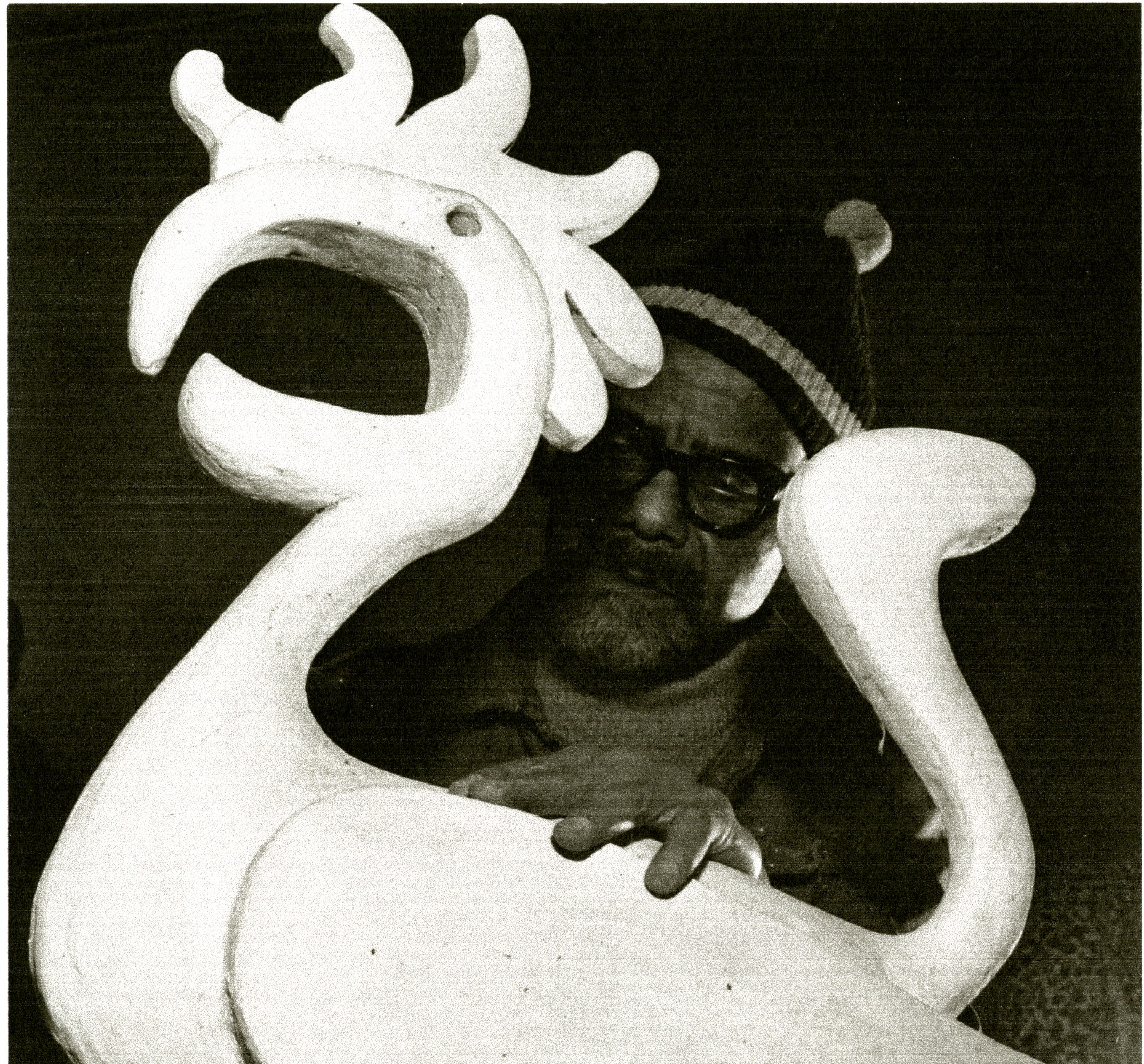
A second major strand of the season is ‘Play Power’, also running from 16 May to 4 October 2026. This exhibition examines play in human cultures, ranging from board games and games of chance to physical activity, creativity, video games, make-believe, ritual gambling and divination. The display includes an ancient Egyptian senet board game, Germaine Richier’s ‘Chessboard, Large Version’ (1959), and Patrick Rylands’ toy ‘Bird and Fish’ (1970), as well as work by Eileen Agar, John Armstrong, André Breton, Lygia Clark, Sir John Lavery and Leo Robinson. ‘Play Power’ is curated by Tania Moore and Samuele Tacconi.
The season also includes ‘Joy Like Time’, which runs from 20 June to 15 November 2026 and focuses on memory, ritual and renewal through the work of Marina Abramović, Kalliopi Lemos and Gillian Wearing. The exhibition is framed as an in-depth look at how selected artists have addressed life’s meaning through craft and repetition. According to the Sainsbury Centre’s text, it asks whether duration — from commutes to lifespans, harvests to histories — might help confront one of humanity’s most enduring questions.
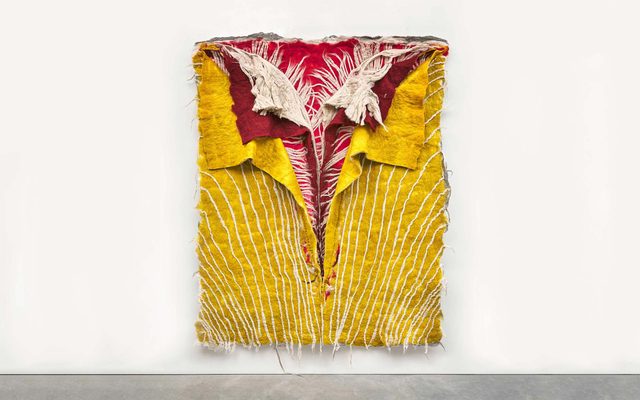
Another installation, ‘Tree of Life’ by Seyi Adelekun, is presented in the Sainsbury Centre’s East End Gallery from 20 June 2026 to 30 May 2027. Woven from hand-dyed sisal rope, the work invites visitors to move in and around its central hollow trunk. The centre describes the piece as drawing on multiple traditions and presenting the tree as a symbol of interconnectedness, personal growth, cyclical existence and the bridge between physical and spiritual realms. The exhibition note also says the work was originally conceived for KLA ART’24 Artist-in-Residence programme in Kampala, in collaboration with 32° East and Iniva, with support from the British Council.
Alongside the exhibitions, the season includes commissioned projects such as ‘Life in the Multiverse: Libby Heaney’, on view from 16 May to 4 October 2026. Heaney uses quantum computing to create an immersive, participatory installation that includes a two-part digital work and a new series of paintings. The Sainsbury Centre says the project engages its living collection through bodily sensation and dreams, and invites visitors to enter a sculptural work and become part of Heaney’s digital multiverses. A separate residency by Ed Webb-Ingall also forms part of the season, with an associated event titled ‘Dialogue event: The Hermit and The Choir’ scheduled for 3 October.
The season’s public programme includes ‘Museum Late: Good harmonies, misbegotten words and pre-ripped jeans’ on 24 September from 6 to 8pm, guest curated by Alice Theobald, and a series of Spotlight Tours running until 26 August. The Sainsbury Centre’s website places all of these activities within the broader ‘What is the Meaning of Life?’ season, which brings together works and ideas spanning thousands of years in its galleries at the University of East Anglia in Norwich.