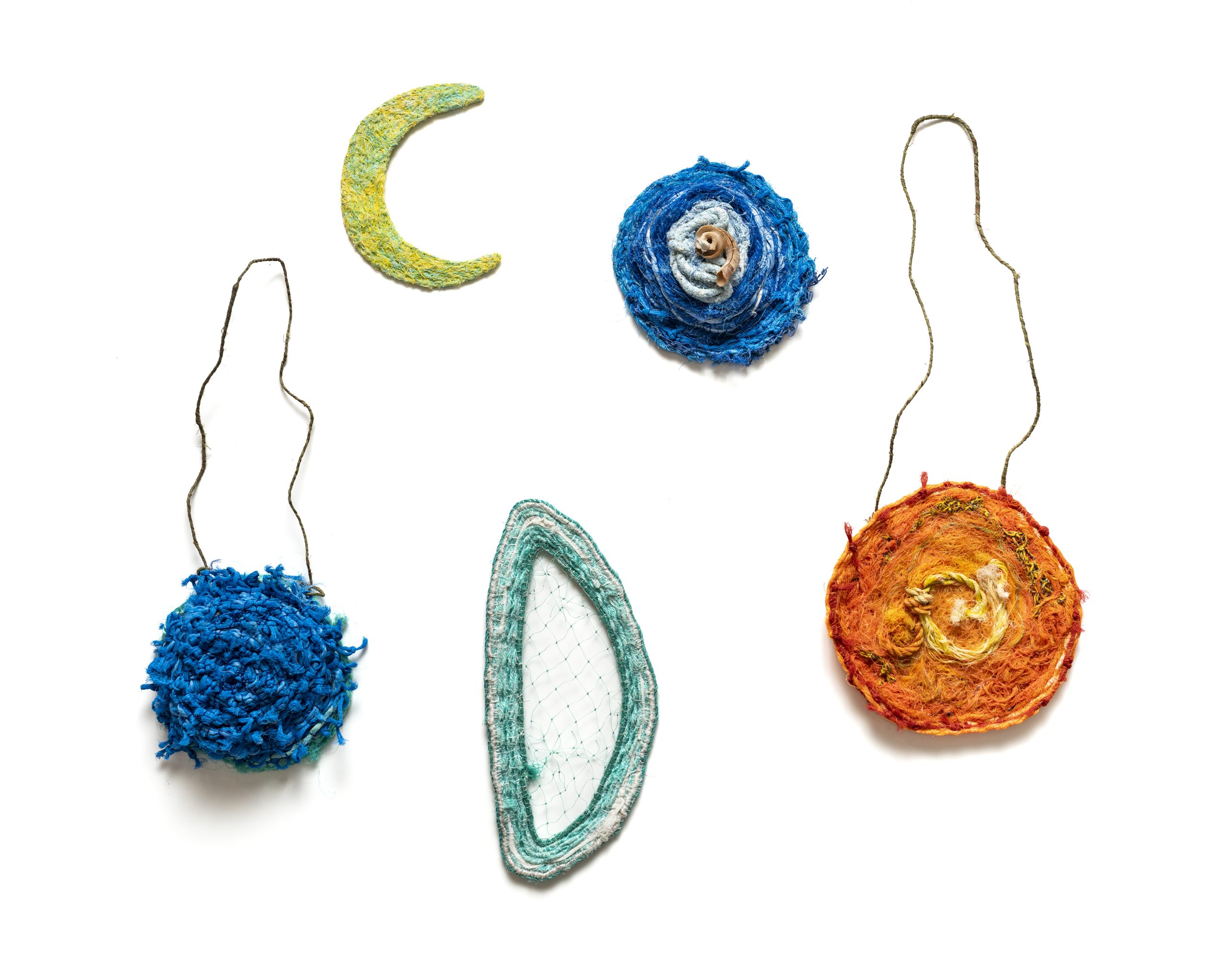
 Image: Kluge-Ruhe Aboriginal Art Collection, Charlottesville
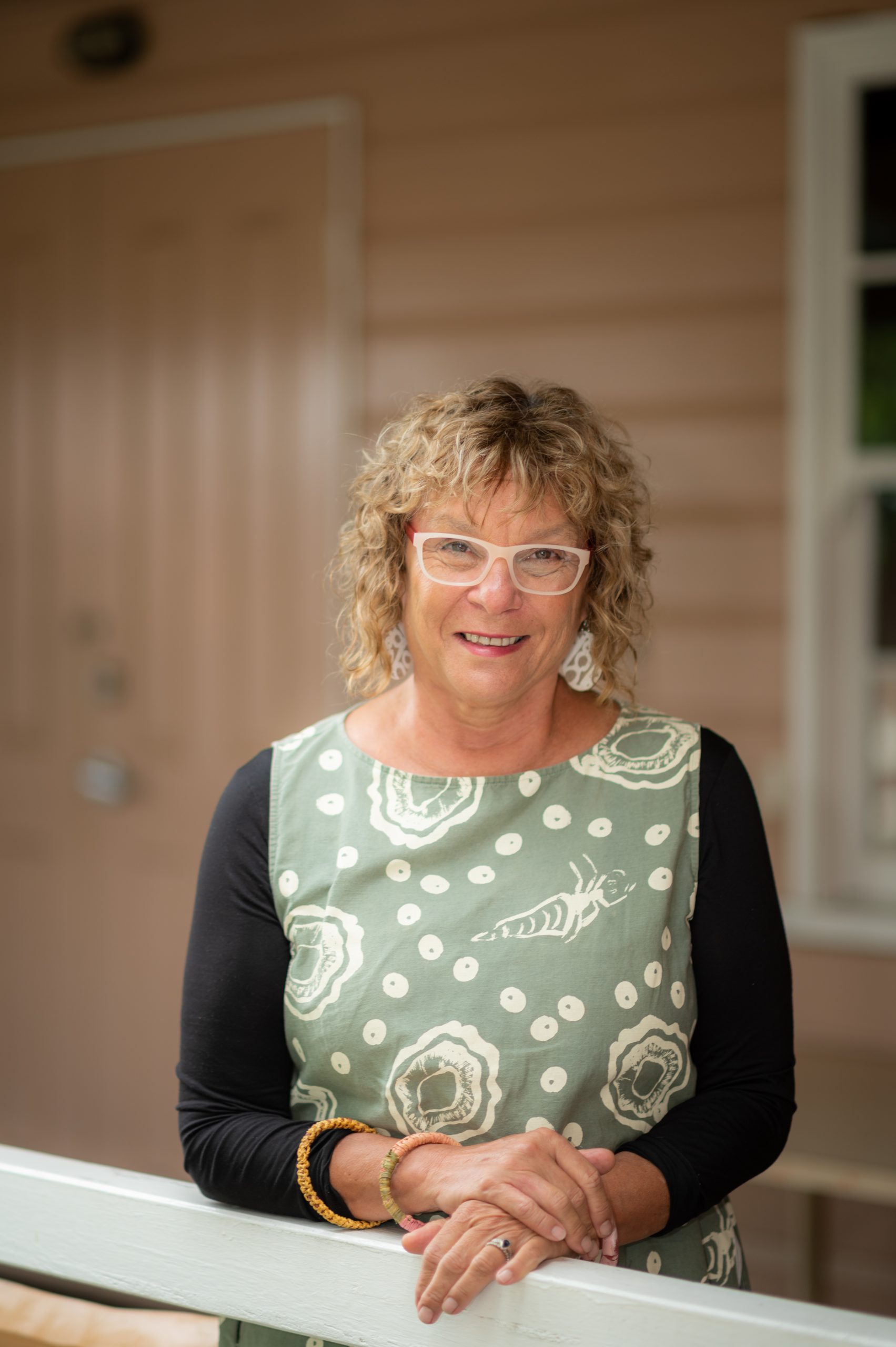
Kluge-Ruhe Aboriginal Art Collection in Charlottesville has announced ‘Cammeerangan Ngalin-ngur Gining | From Our Ancestors’ Hands – Story Bags: Sonja Carmichael,’ an upcoming exhibition centered on the work of the senior Quandamooka weaver and artist. The exhibition opens August 8, 2026, in the museum’s Focus Gallery and runs through January 10, 2027. Kluge-Ruhe also said Carmichael will take part in a month-long artist residency beginning in mid-September, with a welcome reception scheduled for September 17 from 5 to 7 pm.
The exhibition frames Carmichael as being at the forefront of the regeneration of Quandamooka weaving. According to the museum’s materials, she is a Ngugi woman from Quandamooka Country who lives and works on Minjerribah/North Stradbroke Island in southeast Queensland. Kluge-Ruhe describes her practice as one that reconnects her and her daughters, with whom she collaborates, to ancestral hands and inherited cultural knowledge through weaving.
Carmichael’s woven gulayi, or Quandamooka women’s bags, are made from traditional fibres including ungaire, a freshwater swamp reed, and are interlaced with shells, ghost nets, fishing lines, and other marine debris collected on beach walks along Minjerribah. The museum characterizes these works as symbols of cultural resilience and renewal. In the exhibition text, Carmichael says that weaving is “culturally embedded” in her community and that making gulayi again is “a healing and positive process,” adding that the future is about sharing intergenerational knowledge so that what was nearly lost does not come close to that again.
The show is presented as Carmichael’s first international solo exhibition and as a new direction in her practice. Kluge-Ruhe says the body of work explores Giibum, the moon, as a force shaping tides and other cycles of life on Quandamooka Country. It also includes new work honoring the seasonal migration of Yalingbila, or humpback whales, past Minjerribah and Mulgumpin to deep ocean waters. In the exhibition narrative, the moon is described as witnessing the stories held by the gulayi she weaves.
A centerpiece of the presentation is ‘Wunjayi Wagaringya Quandamooka Jagun (Carrying Quandamooka Country Today) – Yarabin Ragi (Sea and Bush),’ a 2025 installation made of 237 birrepi bunbi, tiny gulayi using shells, shellfish, pippies, oyster, banksia nuts, grass tree, burney bean seeds, driftwood, fishing line and sand. The museum notes that the work connects materially, through copper wire, to a collaborative piece created by Carmichael and her daughter Elisa Jane Carmichael that is on view at the Embassy of Australia in Washington, DC.
The residency is part of a wider program around the exhibition. Kluge-Ruhe says Carmichael will be supported by Creative Australia during the residency, while the exhibition itself is supported by UVA Arts. The institution also identifies Carmichael as being represented by Onespace and acknowledges the support of Gaja Kerry Charlton for providing words in Gowar, a Ngugi dialect, used in the exhibition. The museum’s announcement places Carmichael’s exhibition within its broader commitment to Aboriginal Australian art, as reflected in its educational materials that describe Aboriginal Australian art as an ancient, continuous and highly diverse art tradition.