 Image: Kluge-Ruhe Aboriginal Art Collection, Charlottesville
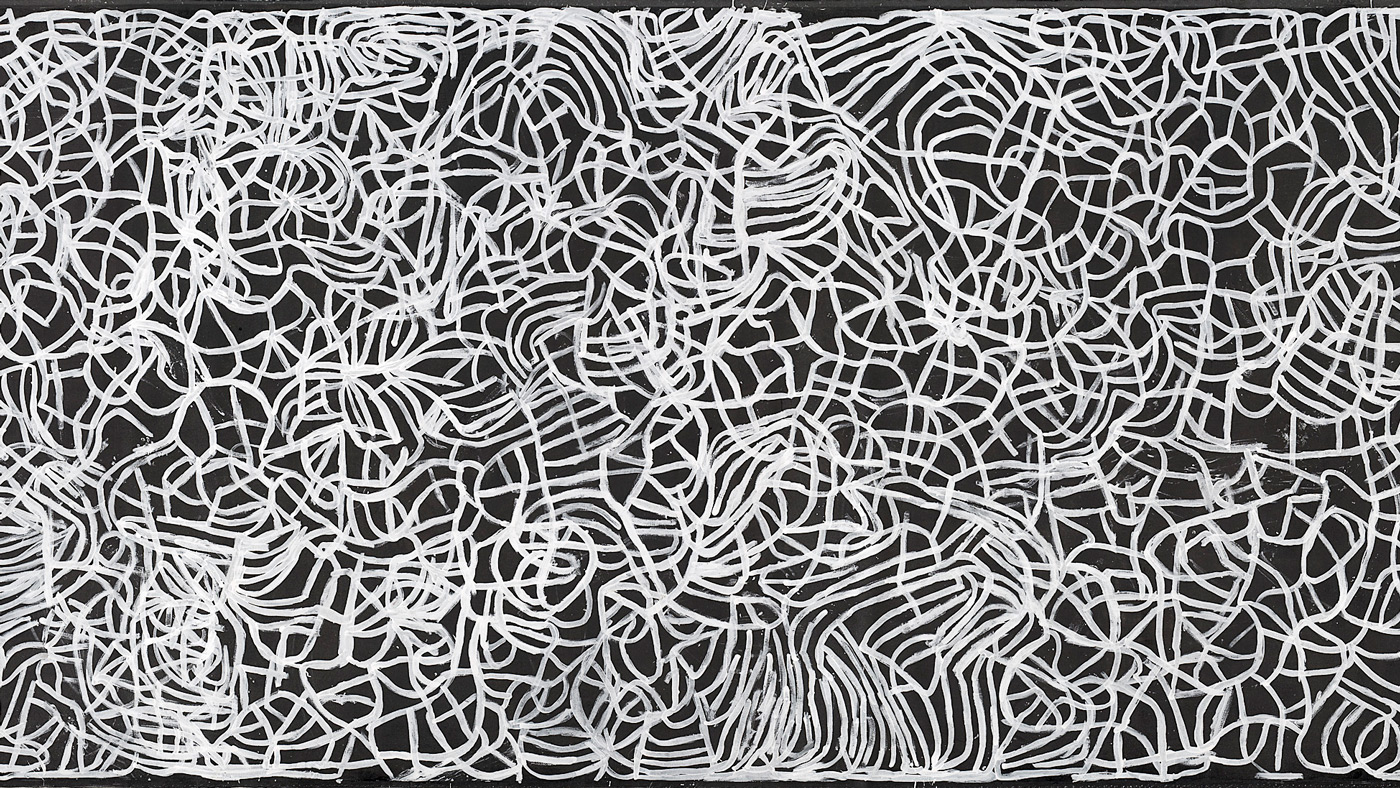
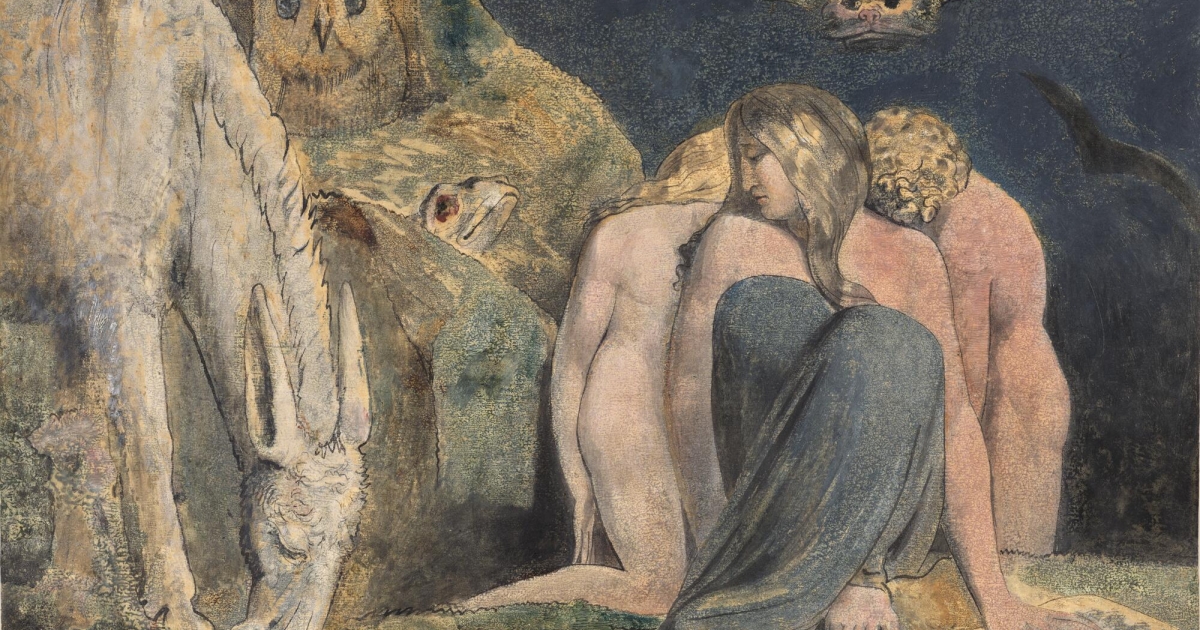
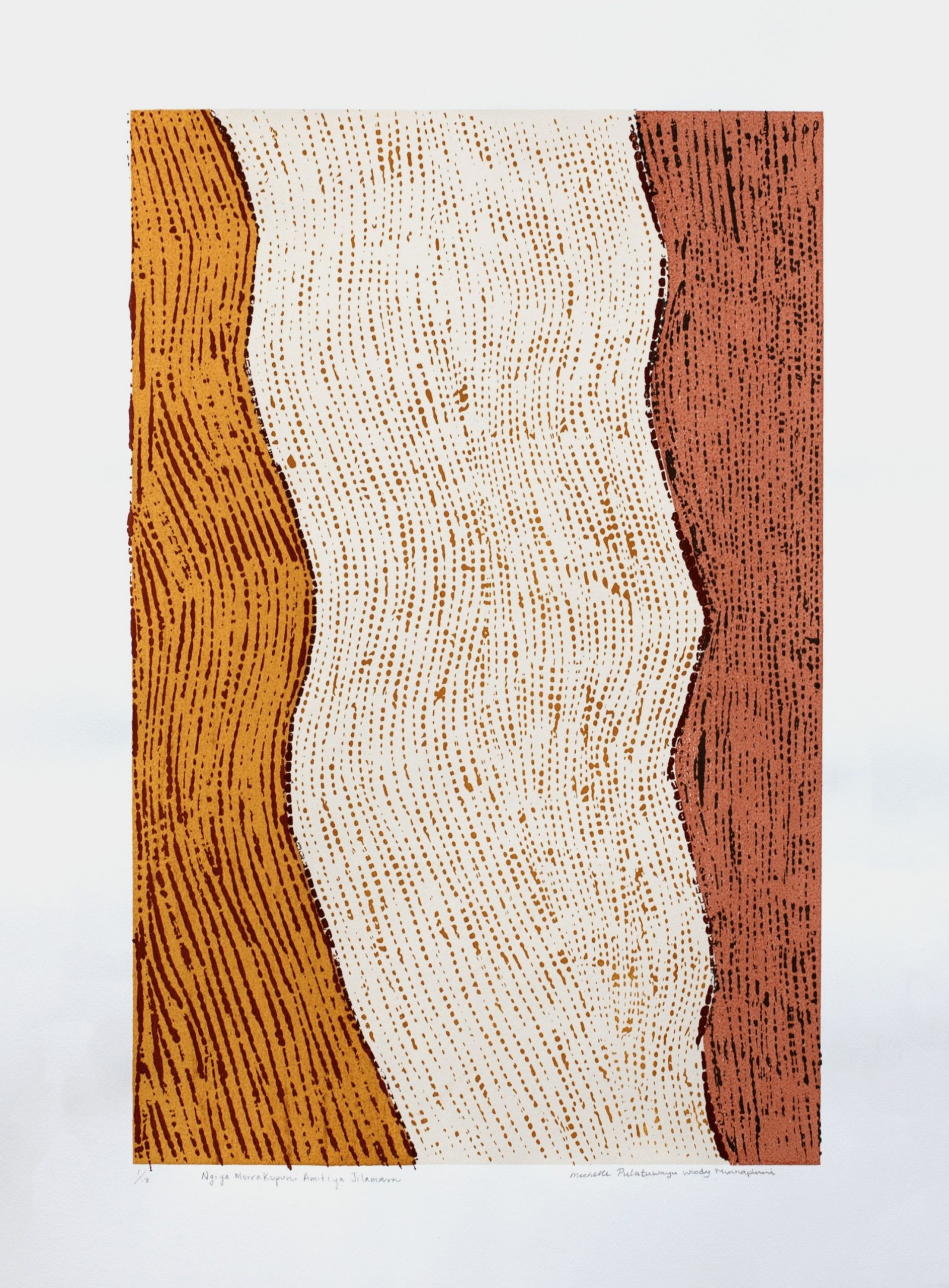
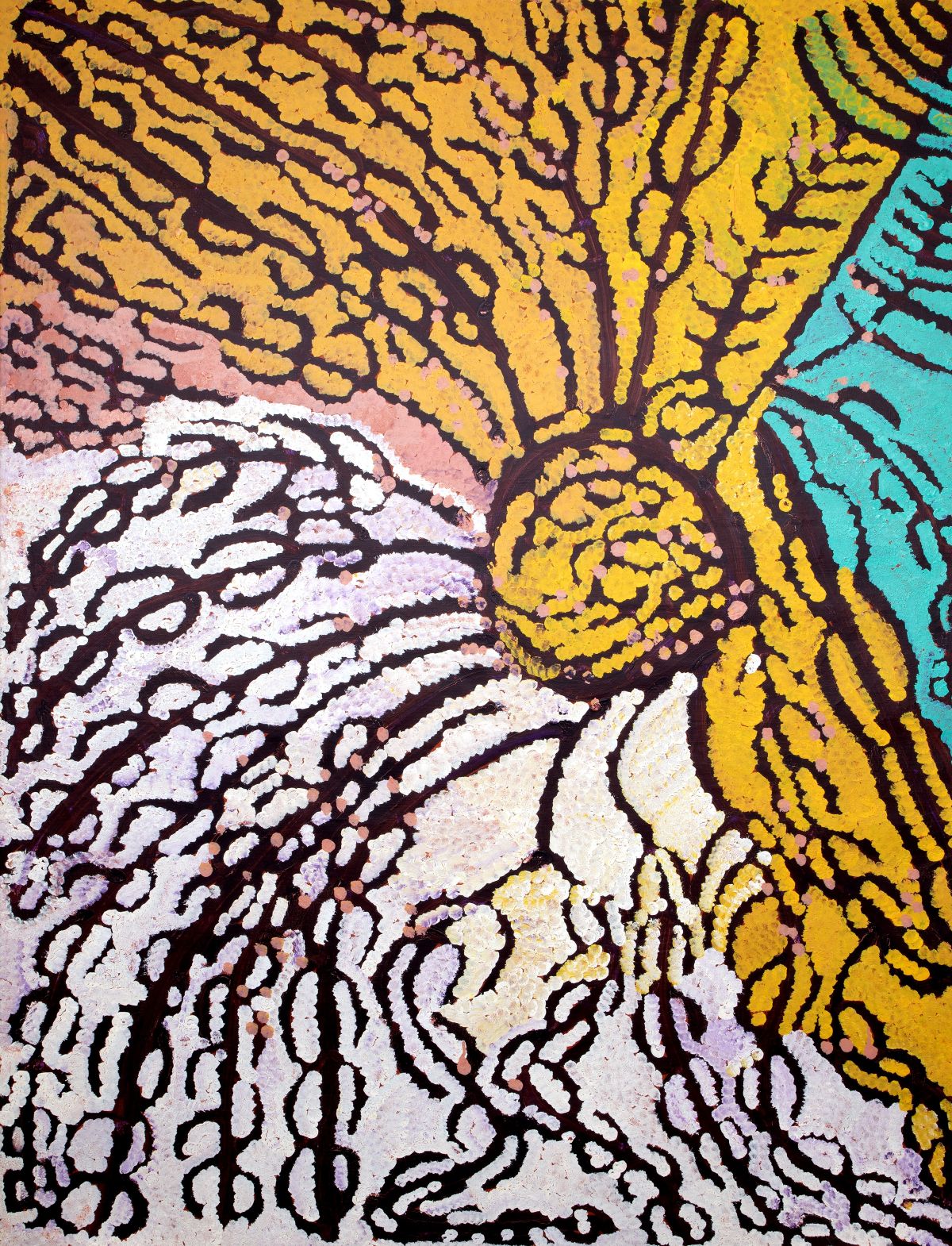
The Kluge-Ruhe Aboriginal Art Collection of the University of Virginia is presenting ‘Color is Life: Women’s Work Today’, an exhibition devoted to First Nations women artists from across Australia. On view at the Charlottesville collection from March 28, 2026, through March 14, 2027, the exhibition brings together fiberwork, painting, printmaking, sculpture, film and textiles made between the late 1990s and the present.
The exhibition frames these practices as living cultural expressions rooted in artists’ experiences, communities and relationships to Country. Kluge-Ruhe’s introductory material describes First Nations Australian art as a contemporary practice connected to enduring cultural knowledge, while emphasizing the diversity of peoples, language groups, materials and artistic approaches across the continent.
The presentation also traces a history of women’s expanding recognition in Australian First Nations art. Women at Ernabella in South Australia began weaving fabrics and rugs in the late 1940s before moving into batik, ceramics and painting. Yolŋu women in northern Australia began making their own bark paintings in the mid-1960s, while Warlpiri women were the first to paint at Yuendumu in the early 1980s before men joined them. The exhibition notes that women artists continued to face limited recognition until the early 1990s.
A pivotal moment came in 1997, when Emily Kam Kngwarray, Yvonne Koolmatrie and Judy Watson represented Australia at the Venice Biennale. Since then, the institution states, First Nations women artists have continued to develop both traditional and new media, challenging older distinctions between fine art and craft. The works in Charlottesville reflect that range, retaining practices such as weaving while embracing painting, printmaking, film, sculpture and textiles.
Among the works identified on the exhibition page are Noŋgirrŋa Marawili’s ‘Lightning and the Rock’ (2015), made with natural pigments on bark; Bugai Whyoulter’s ‘Wantili’ (2014), an acrylic painting on linen; Jenni Kemarre Martiniello’s ‘Yellow Rushes Fish Basket #2’ (2017), made from hot-blown and cold-worked glass; and Yulyurlu Lorna Napurrula Fencer’s ‘Yarla Dreaming’ (2002), an acrylic painting on canvas. The exhibition also includes the film ‘Kala Kunbolk’ (2023), which is on loan from Injalak Arts Centre. All other works are held in the Kluge-Ruhe collection.
The exhibition’s title draws on the relationship between artmaking, vitality and community. Tiwi artist Jean Baptiste Apuatimi is quoted by Kluge-Ruhe as saying, ‘Painting makes me alive.’ The collection describes the artists represented in the show as reflecting lived experiences and living cultural practices, and says that their experimentation with both inherited and contemporary forms has become a defining strength of their work. ‘Color is Life: Women’s Work Today’ is supported by UVA Arts and remains on view at Kluge-Ruhe Aboriginal Art Collection through March 14, 2027.