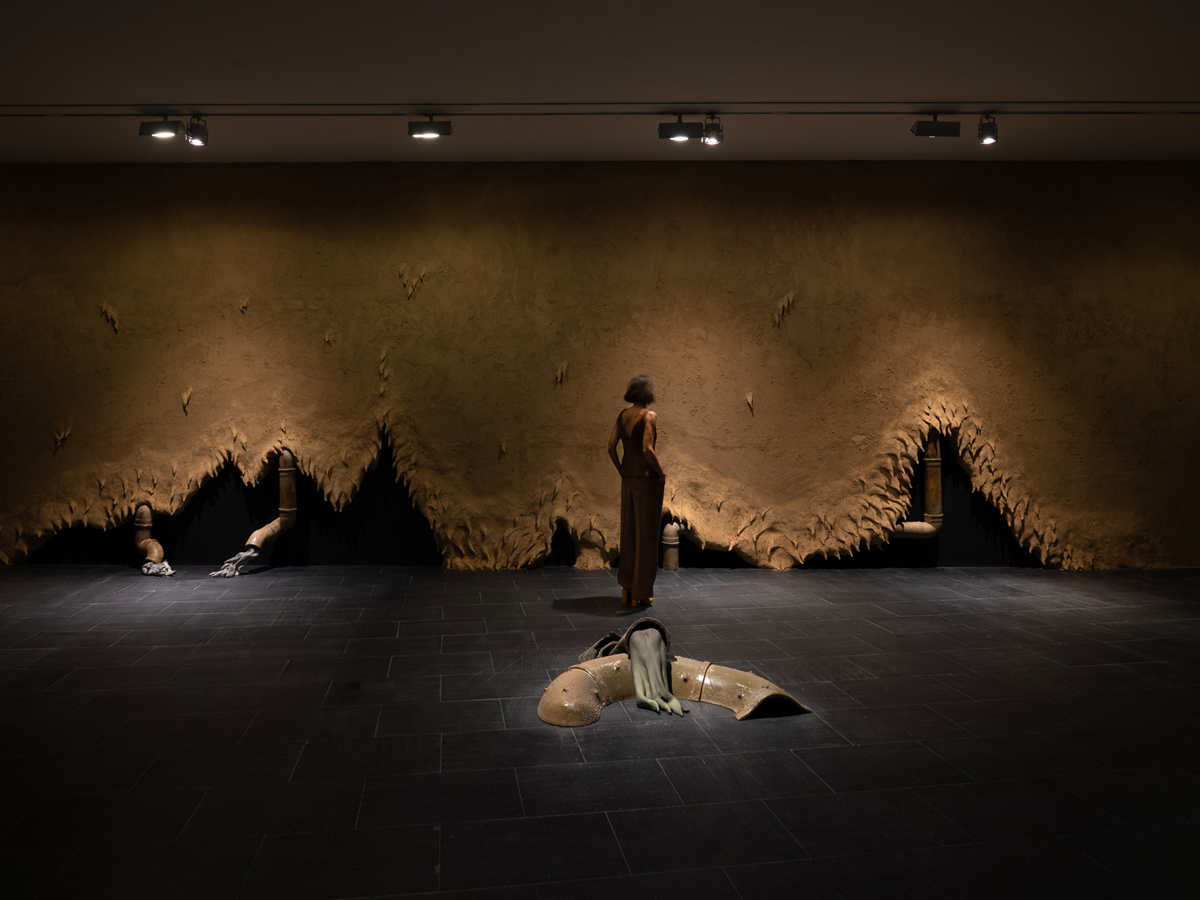
 Image: Centro de Arte Moderna Gulbenkian, Lisbon
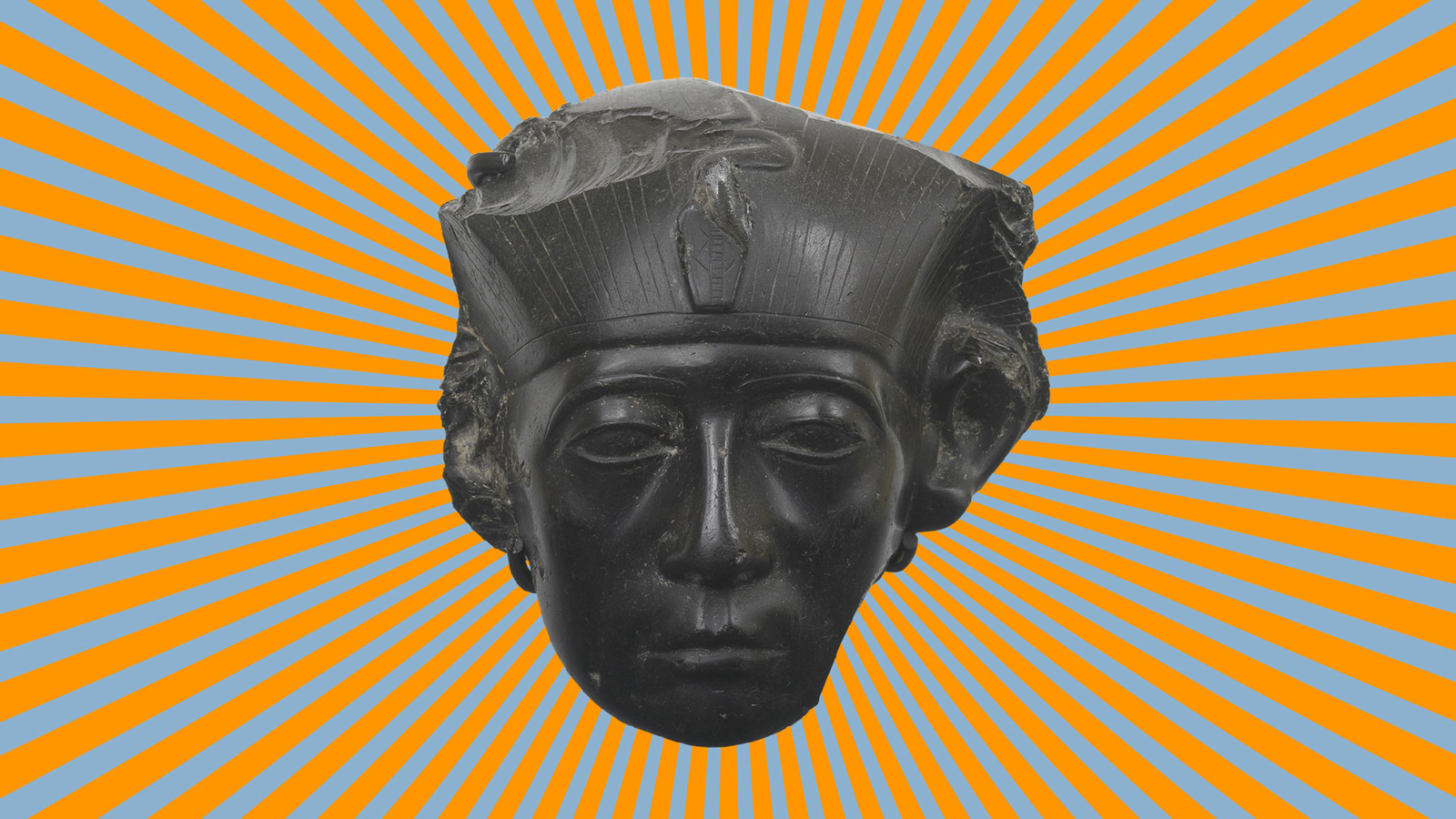
The Museu Calouste Gulbenkian in Lisbon is highlighting the final weeks of 'Faraós Superstars', an exhibition that follows five millennia of fascination with Ancient Egypt and remains on view until 6 March. The show brings together about 250 works from major European collections, ranging from Egyptian antiquities and classical paintings to documents and contemporary works, and asks how pharaohs became enduring figures of celebrity and memory across centuries.
According to the museum’s exhibition materials, 'Faraós Superstars' is built around the figure of the pharaoh and the place that ruler has occupied in the collective imagination from antiquity to the present day. The exhibition also reflects on a dual anniversary at the origin of the project: 100 years since Howard Carter’s discovery of Tutankhamun’s tomb in the Valley of the Kings and 200 years since Jean-François Champollion deciphered hieroglyphs. Those reference points frame the exhibition’s broad historical sweep, which links ancient kingship to modern media culture.
The display draws on a wide range of objects from institutions including the British Museum in London, the Louvre in Paris, the Museo Egizio in Turin, the Ashmolean Museum in Oxford, the Musée d’Orsay in Paris, the Mucem in Marseille, the Biblioteca Nacional de Portugal in Lisbon and the Museu da Farmácia in Lisbon, among others. The museum also places works from its own Egyptian art nucleus in focus, using them as a point of departure for a reflection on the relationship Calouste Gulbenkian established with Howard Carter, who advised on most of his acquisitions.
The exhibition’s interpretive structure is organised into three sections: 'Três Mil Anos de História', 'O que Resta dos Faraós? A História e as Lendas' and 'O Regresso dos Faraós'. Together, these sections move from the ancient Egyptian understanding of kingship and memory to the ways Greek, Roman, medieval and later traditions reshaped pharaonic figures into legends. The museum’s texts note that names such as Khufu, Nefertiti, Tutankhamun, Ramses and Cleopatra have remained recognisable long after their deaths, while others have faded from collective memory.
In the museum’s account, the exhibition also explores how pharaohs re-entered popular culture after the decipherment of hieroglyphs in 1822. As archaeology, mass media and museums expanded in the 20th century, rulers such as Ramses, Akhenaton, Nefertiti and Tutankhamun were recast as international stars and circulated through photography, film, press, advertising and consumer goods. The exhibition extends that story to the present, noting how ancient Egyptian imagery continues to appear in painting, sculpture, street art, fashion, cinema, music and publicity.
The gallery page for 'Faraós Superstars' lists the exhibition in the Galeria Principal at the Fundação Calouste Gulbenkian, with hours from 10:00 to 21:00, Wednesday and Thursday 10:00 to 18:00, and Tuesday closed. The same page notes practical features including tactile stations, enlarged wall texts on the website, pedagogical videos, guided visits with Portuguese Sign Language interpretation and the family activity 'A Cartela do Faraó'. During the last week of the exhibition, the catalogue is also available online and in the foundation’s shops with a 20% discount.