 Image: Waddington Custot, London
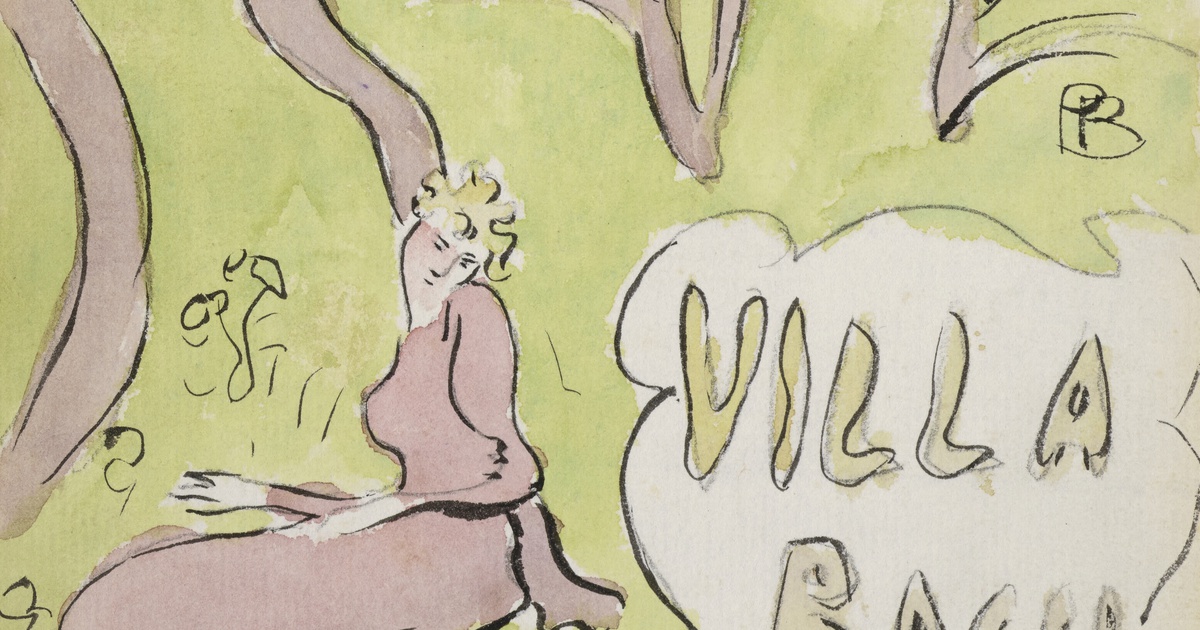
Waddington Custot has opened The Nabi Shock: Coming to London from Paris, an exhibition at its Cork Street gallery that pairs late-19th-century Nabi painting with new work by contemporary artists. Running in London from 24 June to 12 September 2026, the show brings together more than 20 paintings by leading Nabi figures including Émile Bernard, Pierre Bonnard, Maurice Denis, Charles Filiger, Paul Ranson, Jozsef Rippl-Ronai, Ker-Xavier Roussel, Paul Sérusier and Édouard Vuillard.
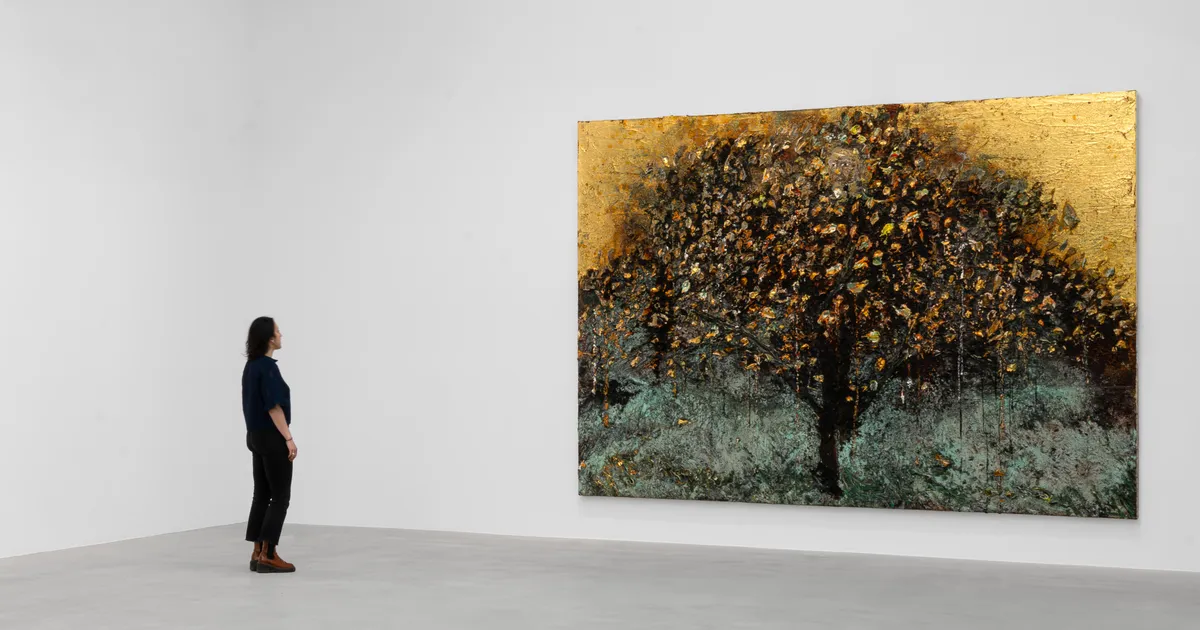
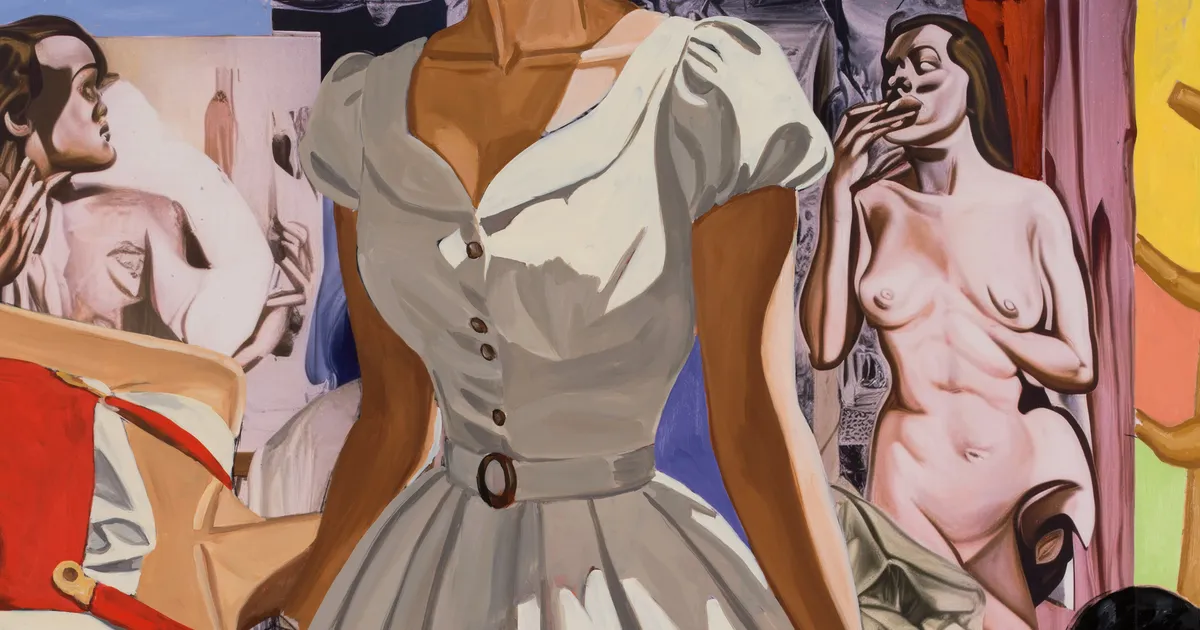
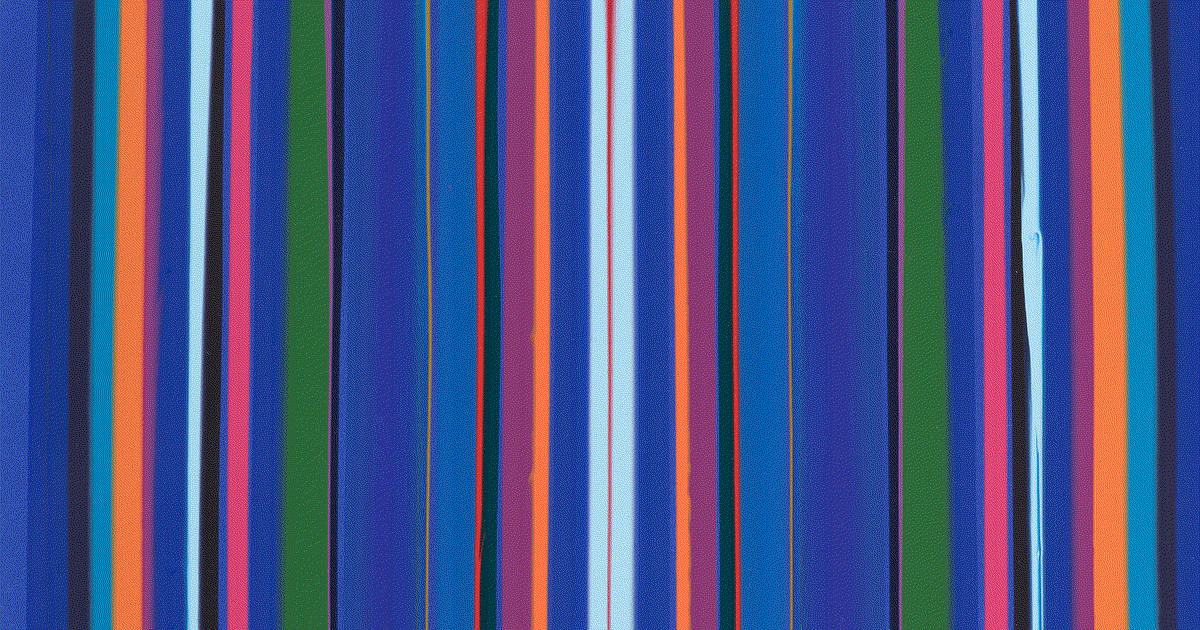
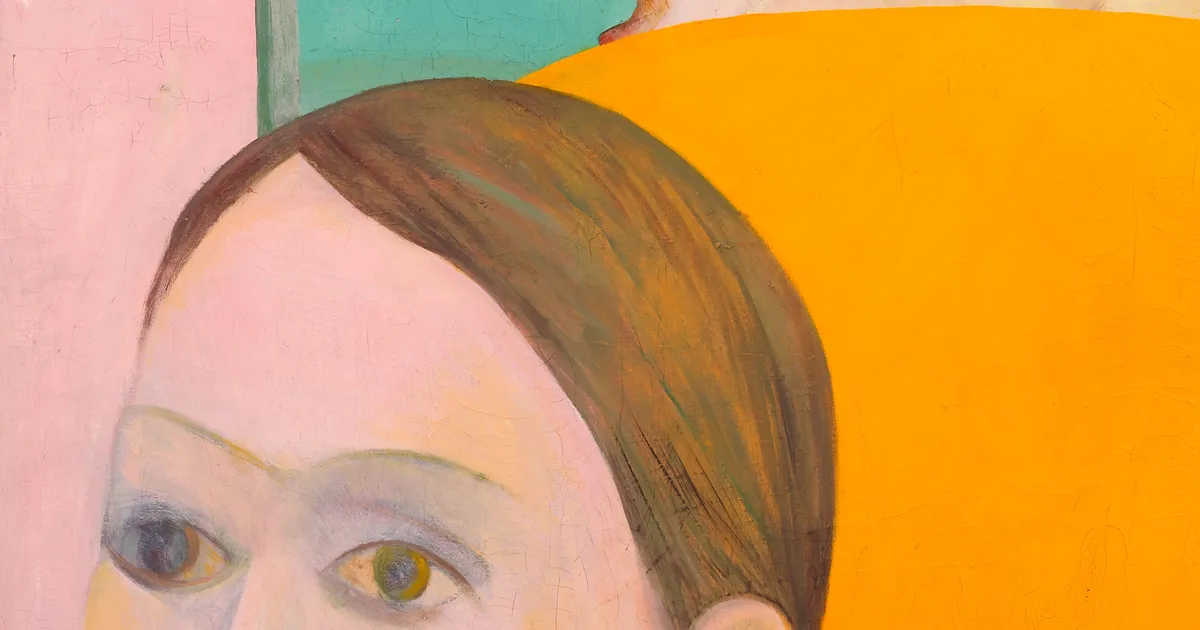
The exhibition is built around works dating from 1888 to 1900, the period in which the Nabis were actively working together in Paris and, according to the gallery, radically redefining the possibilities of painting. Waddington Custot presents those works alongside new paintings by Marcella Barceló, Ben Arpée, Ian Davenport, Marcel Dzama, François Réau, Anne Rothenstein and Fabienne Verdier, using the dialogue between the two groups to underline what the gallery describes as the continued relevance of Nabi ideas about colour, rhythm and interiority.
The Nabis’ significance in modern art history lies in their rejection of naturalistic description in favour of flat planes of colour, distinctive outlines and textured surfaces. The gallery cites Maurice Denis’s famous formulation that a painting is first “a flat surface covered with colours, assembled in a certain order,” and uses works such as Bonnard’s Étude pour Le Corsage à carreaux and Vuillard’s La Chambre verte, rue Truffaut to show how the group’s images combined decorative structure with emotional intensity. Their subjects were often drawn from the intimate sphere: sisters, wives, mothers and, occasionally, stage actors, placed in quiet interiors or secluded gardens.
Waddington Custot also highlights the movement’s broader reach beyond easel painting. The exhibition includes Maurice Denis’s stained-glass design Le Cheval blanc, Bonnard’s illustrations for musical scores and concert programmes, and Ranson’s Japanese-inspired Le Grand Tigre, a work that migrated from paper into carpets and painting. That range recalls the Nabis’ involvement with theatre sets, posters and textiles, and helps explain why the movement has remained a touchstone for artists and designers interested in the overlap between fine art and the applied arts.
The gallery frames the exhibition as part of a renewed institutional interest in the Nabis. It notes that the movement has been the subject of major museum exhibitions across Europe and the United States in recent years, and that Waddington Custot has itself shown Nabi works at Frieze London in 2024 and in Paris in 2026. In London, the presentation is positioned not simply as a historical survey but as an argument for the movement’s continuing visual charge.
That argument is sharpened by the contemporary commissions and loans, which the gallery says echo Nabi concerns in different ways. Barceló’s sinuous lines are placed in relation to Denis’s Japanese-inflected designs; Dzama’s watercolours to the rich surfaces of the earlier paintings; Davenport’s colour relationships to Filiger’s chromatic studies; and landscapes by Arpée and Rothenstein to Vallotton’s paysages composés. Réau and Verdier, meanwhile, are used to extend Vuillard’s interest in the dialogue between inner experience and external reality. In that sense, The Nabi Shock is less a revival than a demonstration that one of modernism’s most intimate and decorative movements still offers a productive language for contemporary painting.