 Image: civic art gallery
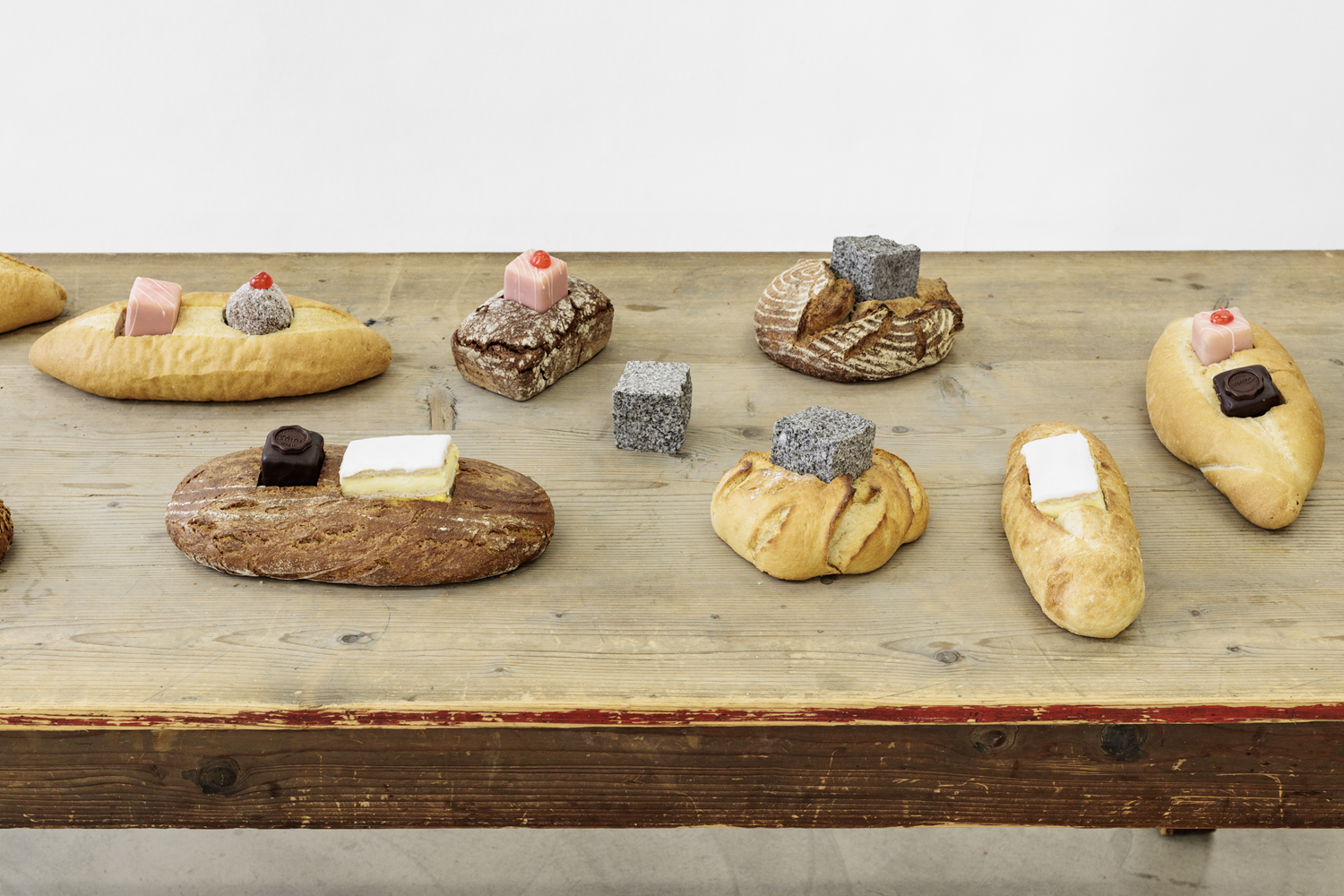
The exhibition ‘Pietre di pane. Memorie di geografie fragili’ is on view at the Galleria Civica di Trento from 17 July through 15 November 2026. Organised by the Mart, Museo di arte moderna e contemporanea di Trento e Rovereto, the exhibition brings together approximately 50 works by 31 artists, combining pieces from the Mart’s collections with loans and site-specific commissions. Giulia Colletti and Gabriele Lorenzoni curate the project, which considers the relationships between community, landscape and memory, alongside marginality and the possible reactivation of territories.
The exhibition continues a line of inquiry begun with ‘Paesi perduti. Appunti per un viaggio nell’Italia dimenticata’, presented at the Galleria Civica in 2022–23 and curated by Lorenzoni. While that earlier project focused on Italian landscapes shaped by abandonment, ‘Pietre di pane’ extends the investigation to the progressive emptying of some territories as populations and resources become increasingly concentrated in cities. The exhibition frames this as a phenomenon affecting areas in Italy and elsewhere, while avoiding nostalgic accounts of rural life or idealised representations of villages.
Its title is borrowed from the essay collection ‘Pietre di pane. Un’antropologia del restare’ by anthropologist Vito Teti. A central idea informing the exhibition is Teti’s concept of “restanza”: not simply remaining in place, but consciously inhabiting locations marked by historical and social fractures through practices of care, responsibility and imagination. The works are therefore used to examine the complexity of dwelling, the forms that marginality can take and the ways territories might be renewed.
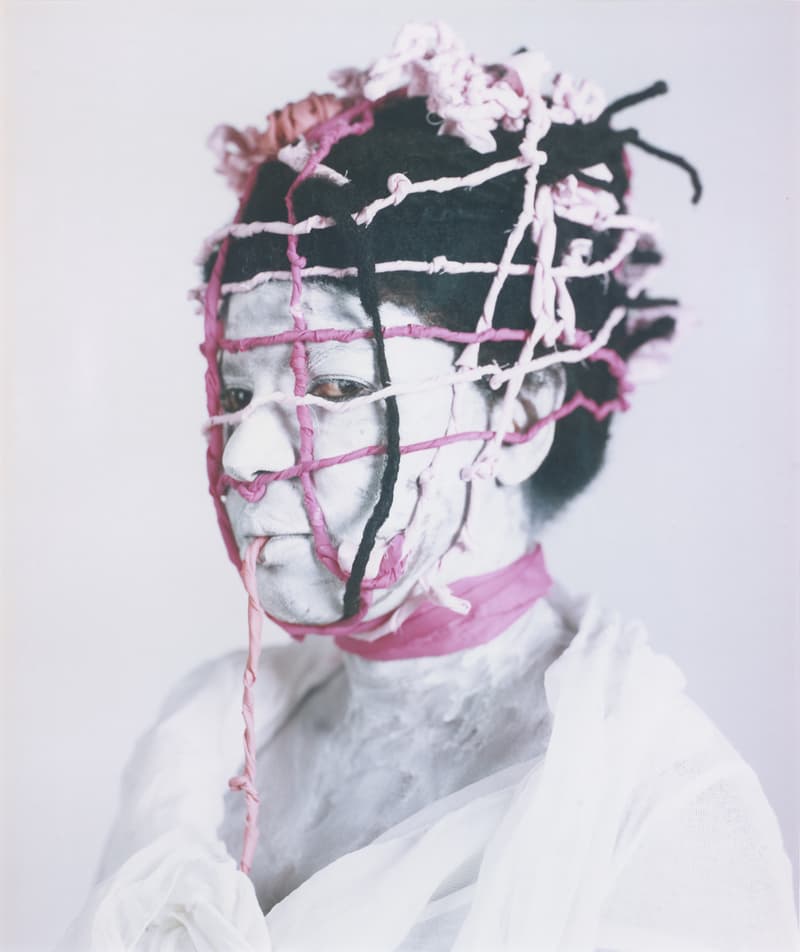
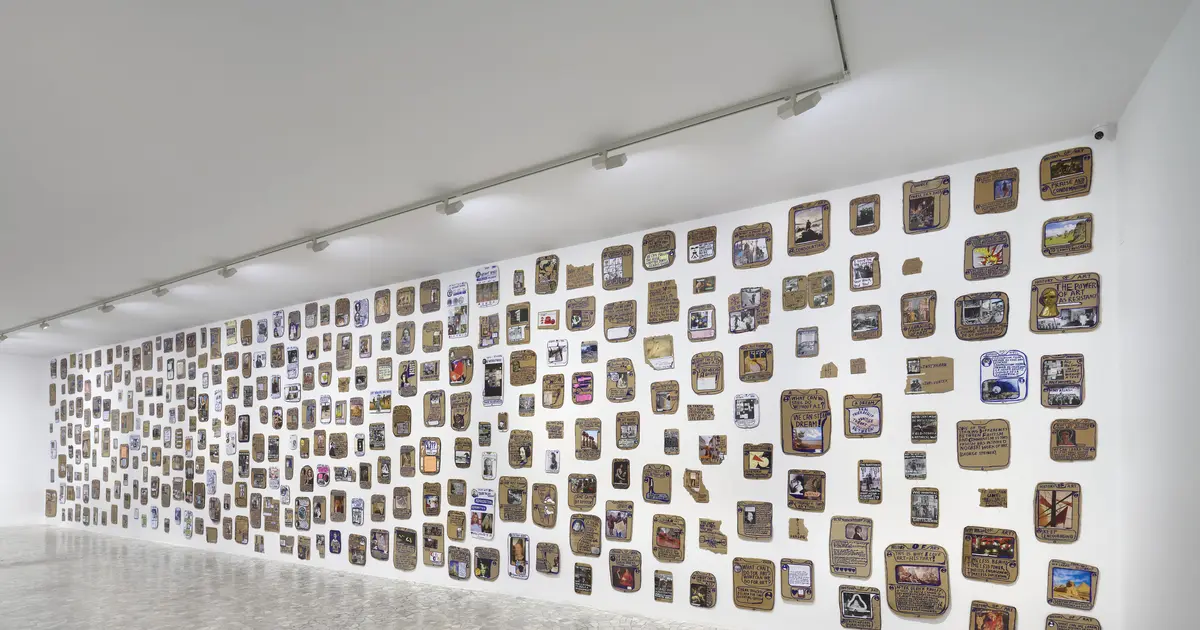
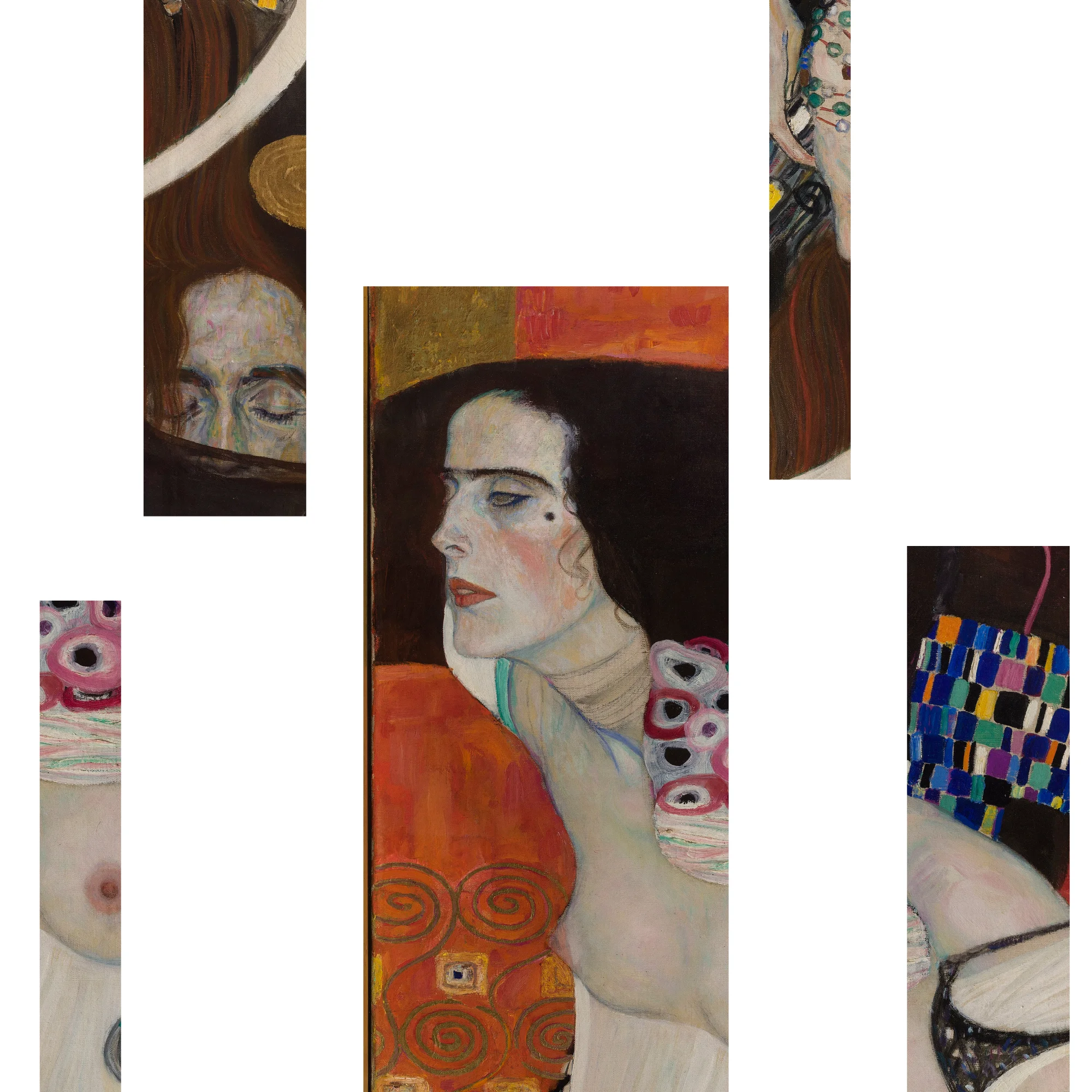
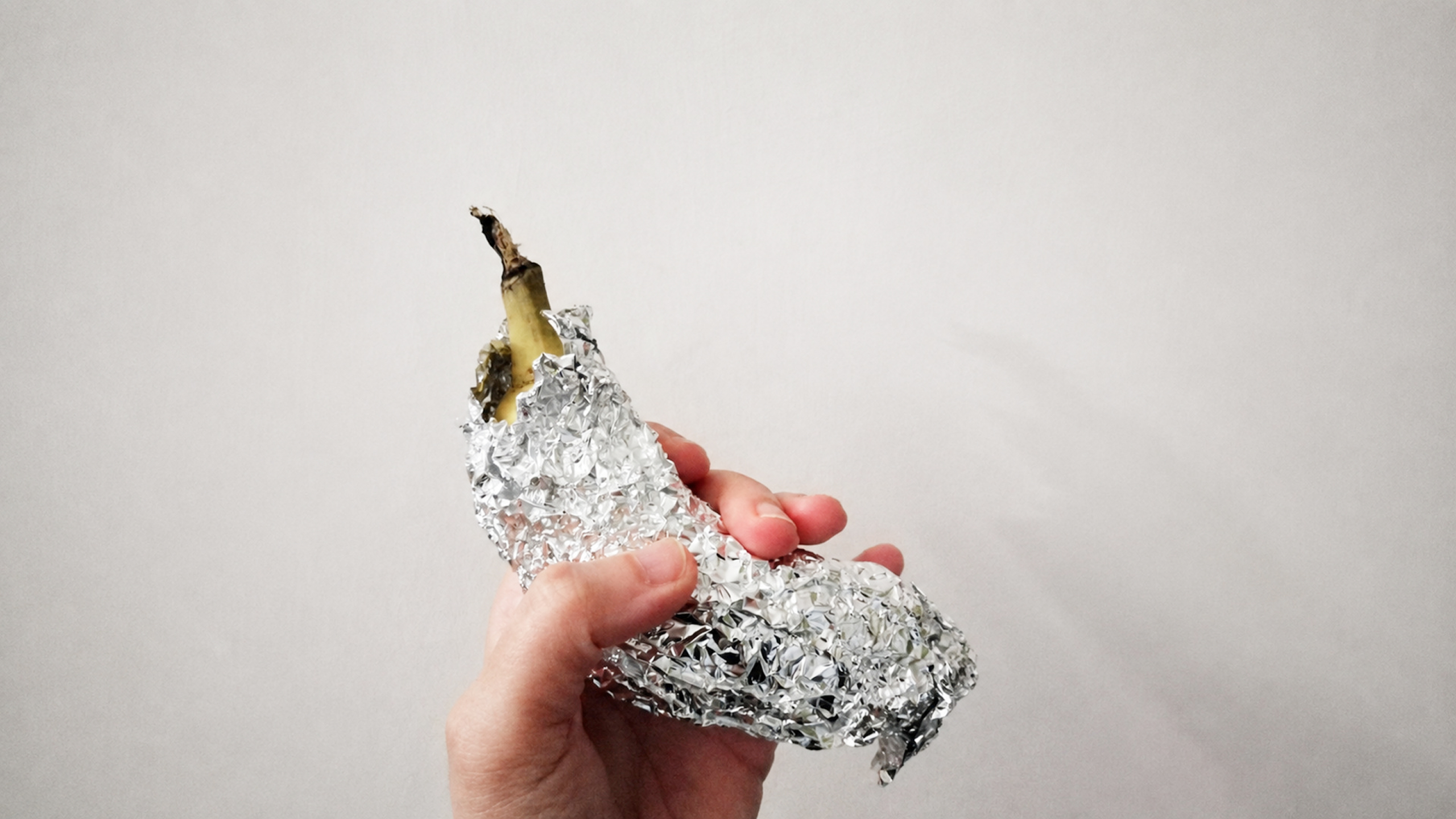
Among the artists represented are Carla Accardi, Giovanni Anselmo, Mirella Bentivoglio, Antonio Biasiucci, Marina Caneve, Theresa Hak Kyung Cha, Camilla de Maffei, Regina José Galindo, Shilpa Gupta, Maria Lai, Richard Long, Piero Manzoni, Ana Mendieta, Marzia Migliora, Francis Offman, Sarker Protick, Mario Schifano, Giovanna Silva, Mladen Stilinović and Alice Visentin. The exhibition includes rarely shown works from the Mart collection, including pieces by Long and Bentivoglio, as well as loans from galleries and private collections by Mendieta, Gupta, Zhanna Kadyrova and Giorgio Andreotta Calò. Site-specific contributions include works by Offman and Caneve.
Rather than dividing the exhibition into fixed sections, the curators propose four “villages” as open interpretive groupings: “latencies,” focused on remains, layers and apparently silent absences; “frictions,” addressing incomplete archives, conflicts and unresolved histories; “drifts,” following migration, displacement and territorial rupture; and “reactivations,” where gestures, performance and participation connect traces of the past with visitors’ presence. These concepts function as a flexible map rather than a prescribed route through the works. The exhibition’s underlying question is expressed as: “What bread does every stone carry within it?”
From September, a public programme will extend the project into several locations across Trento. Alice Visentin’s free performance ‘Memorie felici’ takes place on 10 September at Piazza Santa Maria Maggiore, where the artist will gather stories from people who live in, pass through or regularly visit the Portela district and return them through voice and song. Giovanna Silva’s site-specific installation, featuring photographs related to the 1985 Stava disaster, will appear on municipal advertising and information supports on Via Giusti from 7 September to 2 October, and on Via Travai and at the San Severino car park from 19 October to 1 November. The exhibition is accompanied by a forthcoming Mart catalogue featuring texts by the curators, Gianluca Cepollaro and Vito Teti.