 Image: MCA Chicago
The Museum of Contemporary Art Chicago has entered the final month of ‘Dancing the Revolution: From Dancehall to Reggaetón’, an exhibition examining the visual, political and spiritual histories of two Caribbean-rooted musical genres through contemporary art, music, dance and political history. The exhibition is on view in the Griffin Galleries of Contemporary Art through September 20, 2026.
Presented at MCA Chicago, the exhibition traces connections between Kingston, San Juan, Panama, New York and London. It frames dancehall and reggaetón not only as musical forms but also as cultural practices shaped by resistance, joy and collective expression. The museum’s presentation links those practices to Caribbean traditions of music and dance as forms of liberation and protest within Black Atlantic history and culture.
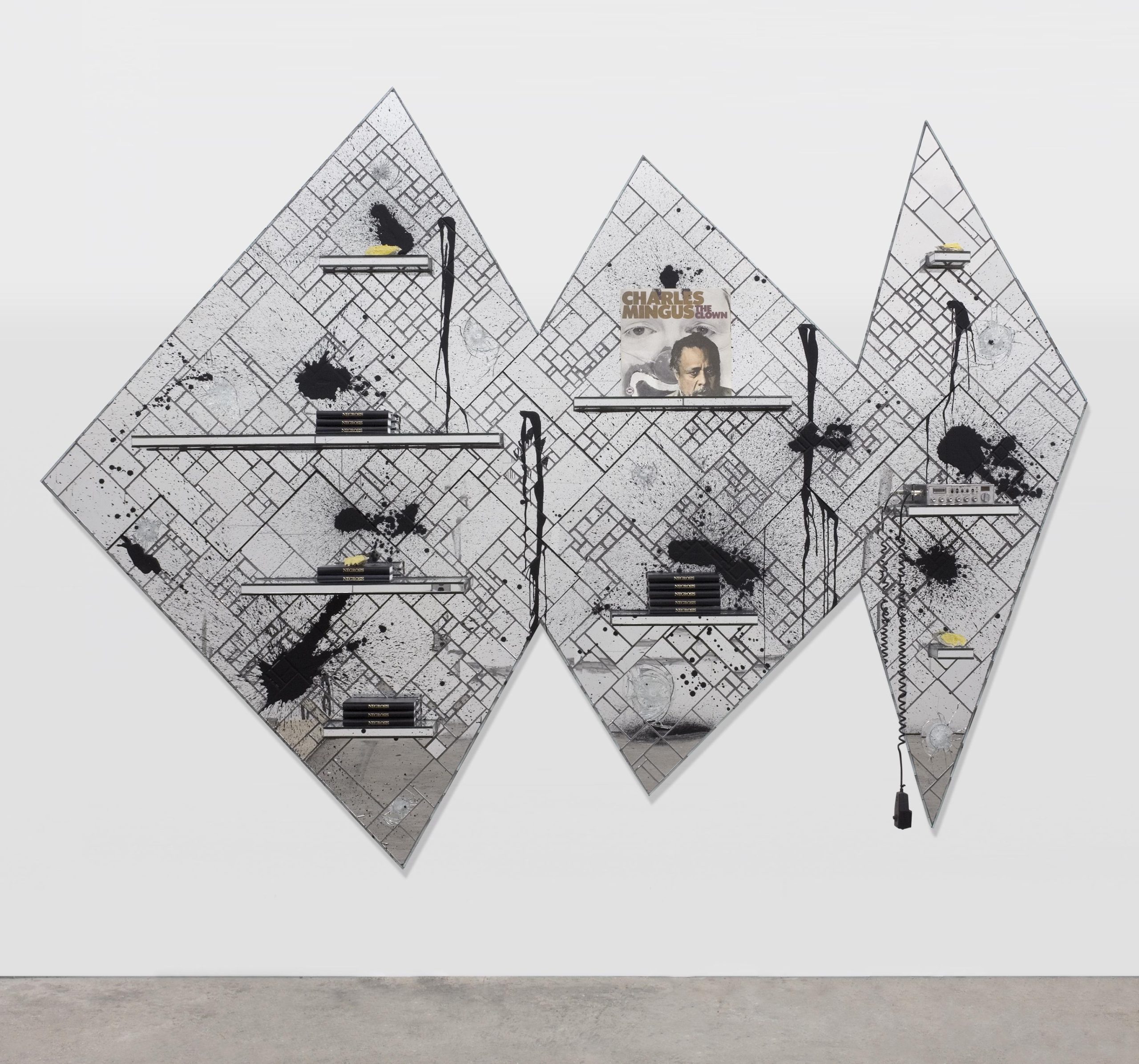
More than 40 contemporary artists are represented through painting, sound sculpture, installation, photography and video. Featured artists include Isaac Julien, Edra Soto, Alberta Whittle, Carolina Caycedo and Lee “Scratch” Perry. Works shown on the exhibition page include supakid’s ‘Untitled (Ricky Renuncia)’ (2019), Cosmo Whyte’s sound installation ‘Sole Imperial (For Patrick Johnson)’ (2019), Denzil Forrester’s painting ‘Duppy Deh’ (2018), Bobby Cruz’s neon work ‘Más Perreo’ (2015), and photographs by Beth Lesser documenting Jamaica’s sound-system culture in the 1980s.
A central historical thread is the sound system, described by the museum as a mobile disco that functions both as a community experience and a civic institution. The exhibition also includes ‘Amplified Panama’, a commissioned mixtape project by Juan Rivera that explores the evolution of popular genres in Panama and presents songs associated with reggaetón’s global development.
The exhibition’s title refers to the shifting revolutions per minute that mark the tempo and history of Caribbean popular music. It also recalls the Verano del 19, or Summer of 2019, in San Juan, Puerto Rico, when multisectoral protests called for the resignation of then-Governor Ricardo Roselló. The museum highlights a July 17 action in which LGBTQ+ and feminist activists led ‘perreo combativo’, or “combative twerking”, on the steps of San Juan Cathedral after Roselló’s resignation, turning reggaetón’s characteristic dance into a political protest.
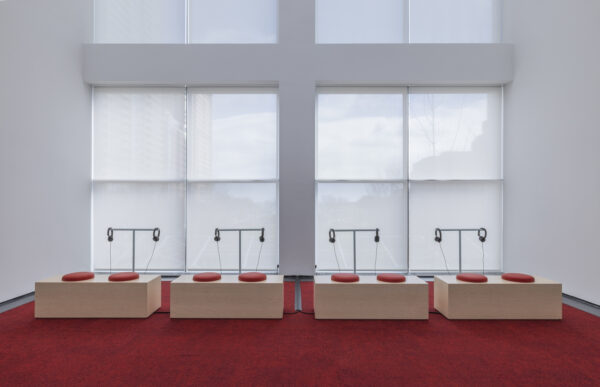
Public programming continues during the final month. Free, 35-minute interactive tours begin at 1 p.m. every Sunday and Wednesday, with no preregistration required; tour guides provide background on the artworks and their social and historical contexts. Every Tuesday from 5 to 9 p.m., visitors can use Radámes “Juni” Figueroa’s participatory installation ‘Karaoke El Nuevo Horizonte’, a gallery structure inspired by Caribbean vernacular architecture that includes seating, window shades and a karaoke station. The programme is free with museum admission, and the museum notes that Tuesday admission is free for Illinois residents. ‘Dancing the Revolution: From Dancehall to Reggaetón’ remains on view at MCA Chicago through September 20, 2026.