 Image: National Museum of Fine Arts, Argentina, Buenos Aires
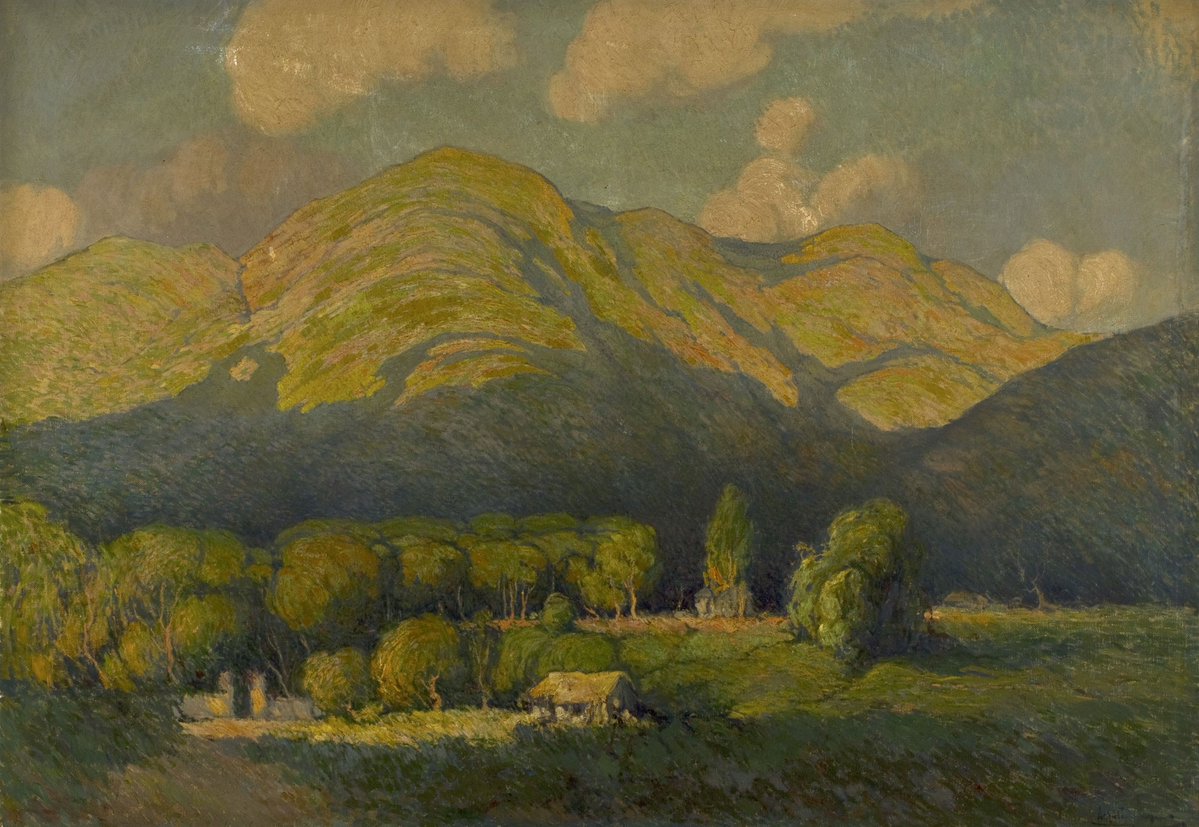
The National Museum of Fine Arts in Argentina has featured Atilio Malinverno’s 'Serranía cordobesa' in its Artwork of the Day series, presenting the painting as an example of the artist’s landscape practice and his focus on provincial scenery. The museum’s note identifies Malinverno as a disciple of Reinaldo Giudici and Eduardo Sívori, and says that his production was devoted to landscapes from Argentina’s provinces.
'Serranía cordobesa' was acquired at the Salón Nacional de Artes Plásticas in 1926, according to the museum. The work is described as showing light brushstrokes and a range of color tones, details that point to the painting’s handling as much as to its subject. The brief text does not add further information about the painting’s dimensions, medium, or later exhibition history.
Malinverno’s training is presented by the museum as part of a lineage connected to two important figures in Argentine art education and painting, Reinaldo Giudici and Eduardo Sívori. Within that context, the museum frames 'Serranía cordobesa' as representative of an artist whose work centered on provincial landscapes rather than urban scenes or portraiture.
The mention of the Salón Nacional de Artes Plásticas places the painting within a significant acquisition and exhibition context in Argentine art history. The museum’s reference to the 1926 purchase is the key verified detail linking the work to a public collection, but no additional information is provided in the source about the circumstances of the acquisition.
The museum’s Artwork of the Day format offers concise attention to individual works from its holdings, and this entry places 'Serranía cordobesa' among those singled out for focused viewing. The source does not indicate a wider exhibition, accompanying programme, or loan presentation tied to the painting.
The museum’s published note is the only verified source for this item, and it keeps the emphasis on Malinverno’s landscape subject matter, the work’s acquisition in 1926, and its loose, varied brushwork. No further biographical detail or curatorial interpretation is included in the source material.