 Image: Barbican Centre, London
The Barbican will present ‘I Am Furious Black: The Films of William Greaves’, a retrospective running at Barbican Cinema in London from Wednesday 21 October to Saturday 28 November 2026. The programme brings together films by William Greaves, the filmmaker, producer and activist whose work is described by the Barbican as having defied racial and artistic barriers across the 20th century.
According to the Barbican, the season surveys Greaves’ career across the 20th and 21st century and focuses on the range of his output in fiction, documentary and experimental film. The institution says his films educated audiences while challenging the status quo, and that the retrospective is intended to celebrate his lasting impact. The programme is anchored by the claim, taken from a New York Times line Greaves wrote in summer 1970, ‘I am Furious Black’.
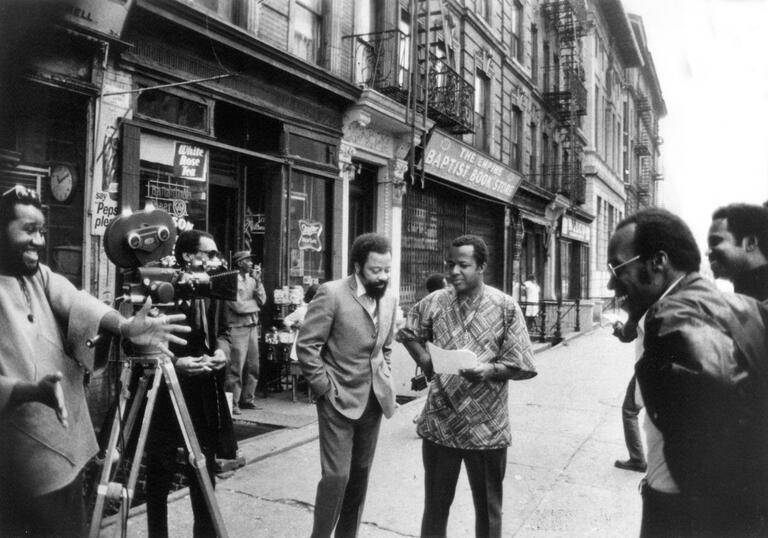
Greaves’ biography as outlined by the Barbican places him at the centre of Black cultural production in the United States. Born in Harlem in 1926, he began as a dancer, songwriter and actor before moving into producing and directing. The Barbican notes that he worked with the American Negro Theatre alongside Sidney Poitier, Harry Belafonte and Ruby Dee, appeared on Broadway in ‘Finian’s Rainbow’ and ‘Lost in the Stars’, and acted in independent Black-cast ‘race films’ including ‘Miracle in Harlem’, ‘The Fight Never Ends’ and ‘Souls of Sin’, as well as the Hollywood film ‘Lost Boundaries’.
The retrospective also highlights Greaves’ move behind the camera after growing frustrated by the limited roles available to Black actors and by racial stereotypes in American cinema. He left the United States in 1952 to join the National Film Board of Canada, then returned in 1963 as the Civil Rights movement reshaped the country. The Barbican describes his later work as committed to documenting Black experiences and histories, and says he became executive producer of ‘Black Journal’ from 1968 to 1970, helping to expand opportunities for emerging filmmakers while addressing issues across the United States, Africa and the Caribbean.
Several of the films programmed in the season point to the breadth of Greaves’ approach. The list includes ‘Symbiopsychotaxiplasm: Take One’, the 1968 work that blends documentary and fiction and has since been recognised as a landmark of experimental cinema; ‘The Fight’, his documentary on Muhammad Ali’s bout with Joe Frazier; and ‘Once Upon a Time in Harlem’, the unfinished project filmed in 1972 and completed by his family after his death. The Barbican’s event descriptions also note programmes devoted to short films from 1959 to 1974 and from 1981 to 1988, as well as screenings linked to figures such as Booker T. Washington and Ida B. Wells.
The Barbican describes the retrospective as a look at Greaves’ enduring mission: using cinema to confront systemic racism, historical erasure and distorted representations of Black communities. ‘I Am Furious Black’ will take place at Barbican Cinema, with screenings listed between 21 October and 28 November 2026.