 Image: The Mondriaan House, Amsterdam
The Mondriaanhuis in Amersfoort is marking the summer with 'Het Mondriaan-effect', a show that follows how Piet Mondriaan’s visual language continues to circulate in contemporary design and commercial products. The exhibition runs from 4 July to 4 October 2026 and brings together objects by several designers and artists who have translated Mondriaan’s compositions, colours and ideas into everyday forms.
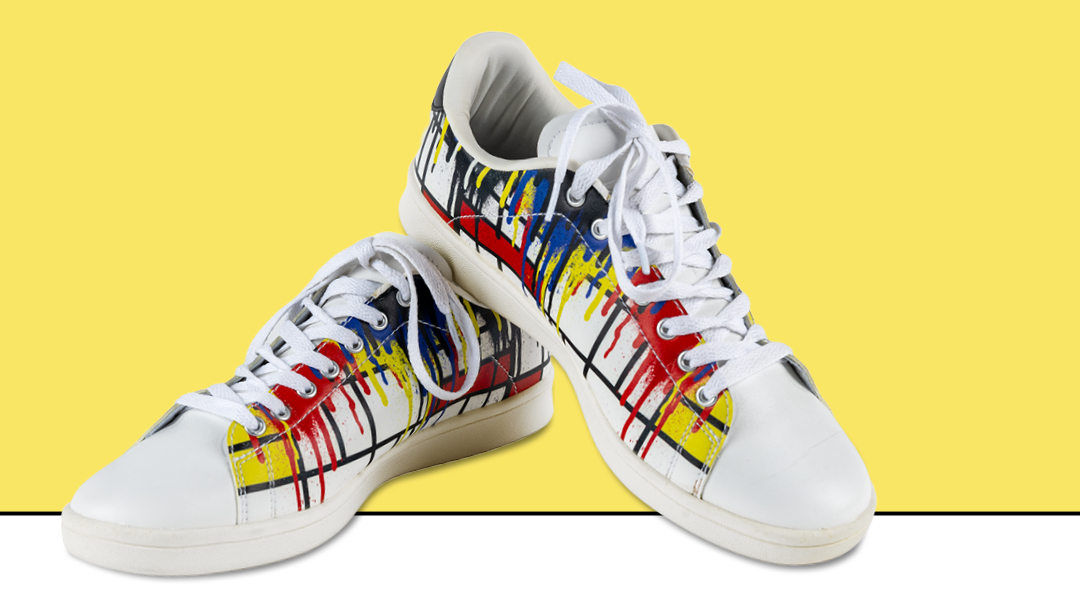
According to the museum, the exhibition looks at two related strands of Mondriaan’s afterlife: the way his influence persists in current design practice, and the way commerce still draws on his recognisable imagery. The works on view include items such as tableware, a dress and a coin, demonstrating how Mondriaan’s appeal reaches far beyond painting. Some makers start from the better-known compositions of primary colours and straight lines, while others take cues from his earlier, more realistic work. The museum also notes that, for some participants, Mondriaan’s underlying thinking about harmony and balance is as important as his formal vocabulary.
Among the featured contributions is 'Mondriaankwelder' by landscape architect and artist Bruno Doedens, an installation inspired by Mondriaan’s 'Pier en Oceaan' (1915). The museum describes it as a landscape work that helps retain sand and clay through the movement of tide and ebb, supporting the creation of new land. Doedens is also the focus of a lecture programme connected to the exhibition, reflecting the museum’s interest in how Mondriaan’s ideas can be extended into current environmental thinking and public space.
Other works in the exhibition show how widely Mondriaan’s legacy has been adapted. Erna Huppelschoten’s tableware draws on 'Tableau III' (1914), while Vincent de Kooker and choreographer Lonneke van Leth present 'Victory Boogie Woogie in beweging', in which dancers move through Mondriaan’s final, celebrated painting. Jiska Minderhoud has designed necklaces in copper and silver inspired by works including 'Bos bij Oele' (1908), and Thomas de Roo contributes a series of 'Mondriaan-vazen' shaped by his close study of Mondriaan’s paintings during years spent as a night guard at Kunstmuseum Den Haag.
The exhibition also includes a 2022 commemorative coin designed by Marjolein Rothman, produced by the Koninklijke Nederlandse Munt to mark 150 years since Mondriaan’s birth. Rothman’s design is presented as a distilled response to Mondriaan’s search for balance and universal harmony behind the visible world. Another piece in the show, 'Mon Cadre' by fashion designer Irving Vorster, takes 'Ruitvormige compositie met twee lijnen' (1931) as its starting point and extends the painting’s lines across the body.
In a section on commerce, the museum presents objects that make Mondriaan’s image part of consumer culture. These include a Mondriaan bicycle by Amin Mayahi, founder and designer of the Utrecht-based cycling brand Republic Dutch, and the guitar 'NOMM-Drian' by builder Doug Kauer. The museum quotes Kauer on the painting process behind the guitar and his growing appreciation of Mondriaan’s style, which he says can appear deceptively simple but is not simple in practice.
'Het Mondriaan-effect' is on view at the Mondriaanhuis, Kortegracht 11 in Amersfoort, and sits alongside a summer programme of family workshops and related activities. The museum lists a free chalk-painting activity on the square behind the museum on 12, 20 and 27 August, a plein-air painting workshop on 22 August, a philosophy workshop on inspiration on 18 September, and the lecture 'Geef bomen een stem' on 30 August, tied to Bruno Doedens’ work in the exhibition.