 Image: Tate Britain
Tate Britain is promoting 'James McNeill Whistler' with a campaign that presents the artist as both an experimental painter and a figure who unsettled Victorian society. The material describes Whistler as an “experimental artist and cosmopolitan celebrity” and invites audiences to follow his journey from art student to world-renowned painter. It also highlights his use of light and colour as central to his appeal.
The email announcement frames the exhibition as an opportunity to step into Whistler’s world and to revisit the range of identities he occupied during his career. Tate’s own accompanying items point to several angles through which the show is being introduced to audiences, including “five things to know” about the artist, a video on the “hidden secrets” of his paintings, and a talk that explores the ideas shaping his work. The messaging also references courtroom controversy and Whistler’s interest in musical composition as themes connected to his reputation.
The exhibition is organised by Tate Britain with the Van Gogh Museum and the Mesdag Collection. In the source material, Tate says the project is supported by the James McNeill Whistler Exhibition Supporters Circle, Tate Patrons, Tate Members and Tate Americas Foundation. It adds that the Whistler’s Finish Research and Conservation Project was supported by The Lunder Foundation, with associated research supported by the Manton Historic British Art Scholarship Fund. The media partner is The Times and The Sunday Times.
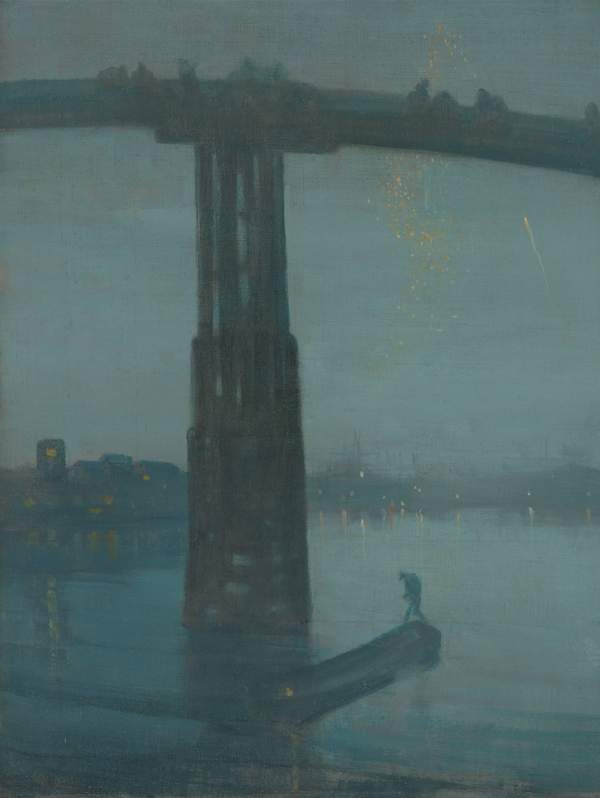
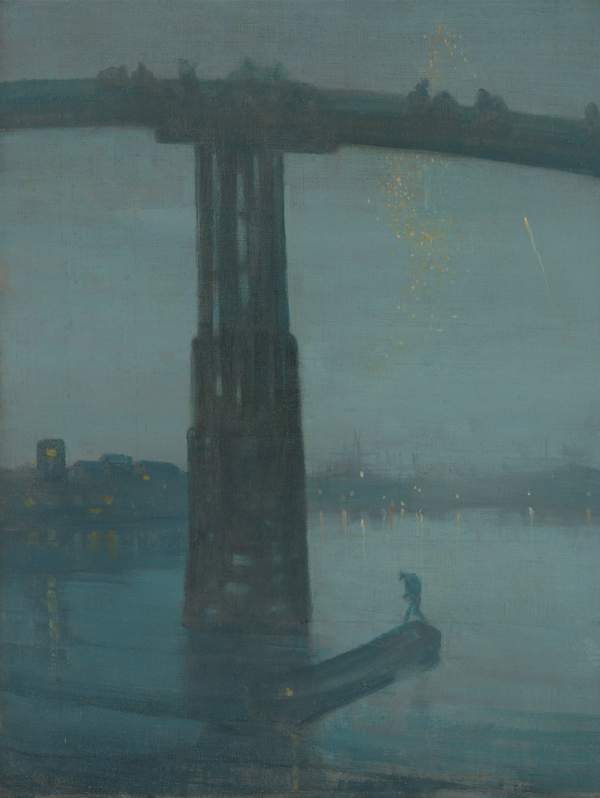
Tate’s announcement situates Whistler within a network of works and collections that underscore his international standing. The email names works including 'The Palace; White and Pink' (1879–1880) from the National Gallery of Art, Washington; 'Wapping' (1860–1864) from the National Gallery of Art, Washington, DC, John Hay Whitney Collection, 1982; 'Nocturne: Blue and Gold - Old Battersea Bridge' (c.1872–5) from Tate; 'Symphony in White, No. 2: The Little White Girl' (1864) from Tate; and 'Crepuscule in Flesh Colour and Green: Valparaiso' (1866) from Tate. These references suggest a display that spans some of the artist’s best-known variations on tone, atmosphere and urban subject matter.
The campaign also stresses the technical side of Whistler’s practice. Tate writes that visitors can discover how he captivated audiences with his experimental use of light and colour, and one promotional item specifically refers to the “mysterious 'sauce'” he created to paint with. Another points to the artist’s love of musical composition, indicating that the exhibition materials are presenting Whistler as a figure whose work moved between visual and musical ideas.
Alongside the exhibition promotion, Tate Britain is also advertising related events and publications. The email invites visitors to “get to know the rule-breaking artist ahead of your visit to the show” through a talk, and it promotes a paperback exhibition book for those who want to continue exploring the artist. The same email includes notices for other Tate Britain programming, including 'Late at Tate Britain: Zineb Sedira' and 'Closing Soon: Hurvin Anderson', but those are presented as separate items within the newsletter rather than part of the Whistler exhibition announcement.
The source material does not give opening dates or closing dates for 'James McNeill Whistler', but it identifies Tate Britain as the venue named in the campaign and presents the exhibition as a major focus of the institution’s current programming.