 Image: Museo de Arte Contemporáneo, Madrid
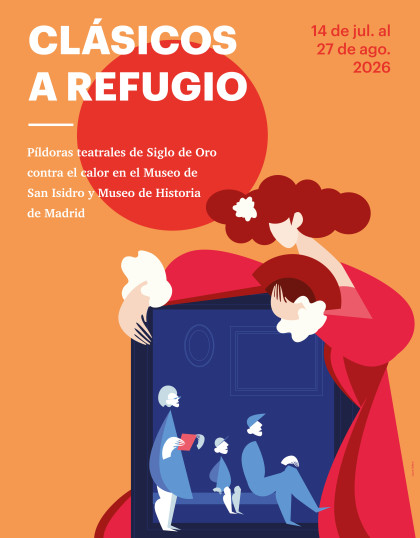
Madrid’s Museum of History and the Museum of San Isidro will host ‘Clásicos a Refugio’, a summer theatre programme running from 13 July to 26 August as part of the city’s municipal ‘Refúgiate en la cultura’ initiative. The series presents brief, air-conditioned performances linked to Spanish classical theatre and is included in Veranos de la Villa 2026, the city’s summer arts programme.
According to the event information, the project is designed to offer a cultural respite from the summer heat while opening museum spaces to theatrical audiences. Each performance lasts about 20 minutes and is staged twice daily, at 17:15 and 18:00. The organisers describe the format as accessible and concise, combining theatre with live music and a didactic approach to the literary heritage of the 16th and 17th centuries.
The programme places particular emphasis on the theatre of the Spanish Golden Age, with attention to lesser-known texts and Baroque women writers. The event listing says the goal is to bring classical theatre to a wide audience through varied proposals for all ages, while also encouraging visitors to rediscover the museums’ historical collections and settings. Live music is identified as a central part of the experience.
At the Museum of History of Madrid, the schedule includes ‘Amor místico’ on 14 July and 26 August, ‘En un lugar del Barroco’ on 16 and 28 July, ‘La trova por Madrid’ on 23 July and 11 August, ‘Cervantes y su paso por... Madrid’ on 31 July, ‘El arte de ser comediante’ on 4 and 20 August, ‘Aúreas’ on 21 July and 12 August, and ‘Éxtasis místico’ on 18 August. The source page lists the museum under the heading for the programme’s Madrid museum dates.
The Museum of San Isidro has its own related calendar within the same series. There, ‘Amor místico’ is scheduled for 15 July; ‘Aúreas’ for 30 July; ‘En un lugar del Barroco’ for 22 July; ‘El arte de ser comediante’ for 29 July; ‘La trova por Madrid’ for 5 August; ‘Éxtasis místico’ for 6 and 25 August; and ‘Cervantes y su paso por... Madrid’ for 13 and 19 August. The event text also notes that the performances at this venue are intended to pair theatre, music and literature with the museum’s historic collections.
The programme is presented under the municipal ‘Refúgiate en la cultura’ banner, and the source describes ‘Clásicos a Refugio’ as a theatre project included in a participatory-budget initiative for a classical theatre festival. The listing frames the series as a way to explore Madrid’s cultural and literary history through short performances in museum spaces, with the two venues offering distinct but connected schedules across the summer season.