 Image: Château de Prangins
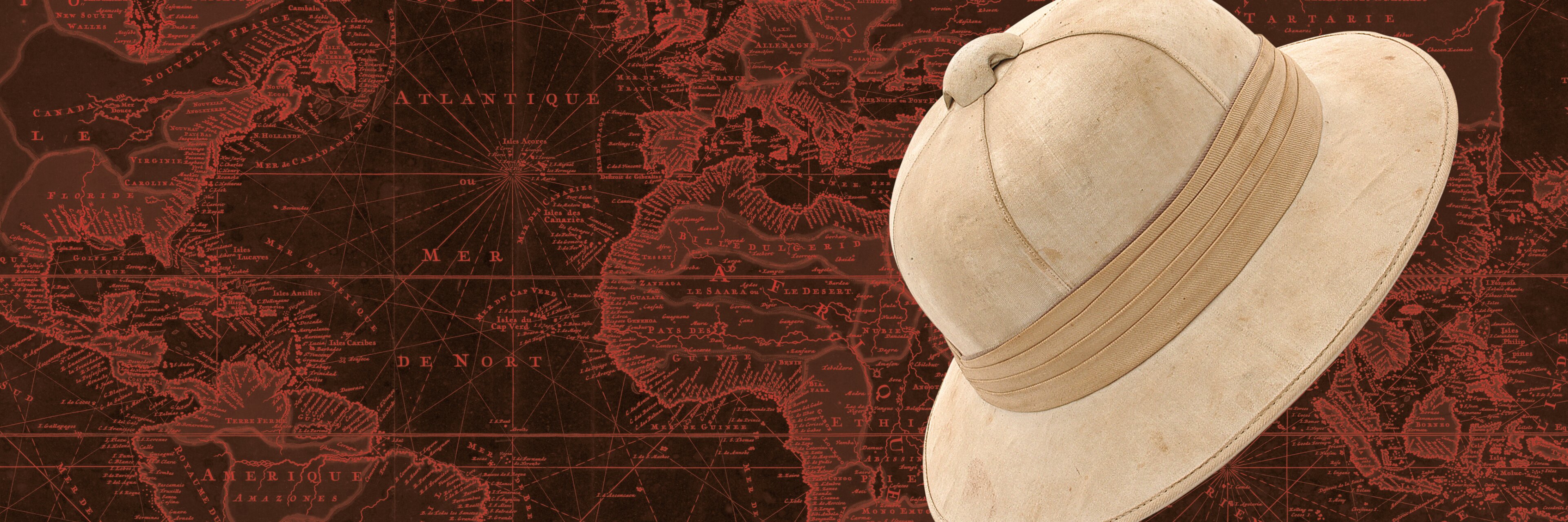
The Château de Prangins, part of the Musée national suisse, is presenting 'Colonialisme. Une Suisse impliquée', an exhibition that traces Switzerland’s links to colonial systems from the 16th century and asks how that history continues to resonate today. According to the museum, the show draws on the latest research and brings together objects, archive documents, photographs and artworks to offer, for the first time in Romandie, an overview of the country’s colonial connections. The exhibition runs from 29 March to 11 October 2026.
The museum’s own material states that the project does not frame Switzerland as a formal colonial power in the strict sense, but as a place whose citizens, companies and institutions were nonetheless directly involved in European colonial expansion. The exhibition website says that, from the 16th century onward, Swiss individuals and firms took part in the transatlantic slave trade, profited from commodities produced through enslaved labour, and joined missionary, mercenary and scientific ventures that supported colonial conquest. It also notes that the universities of Zurich and Geneva taught and spread racist theories that gained international reach and helped legitimise colonial domination.
The presentation is based on recent scholarship and was shown at the Landesmuseum Zürich in 2024 before being adapted for Prangins. The Château de Prangins says the new version adds a contemporary frame, asking what colonial inheritance means in Switzerland today. The exhibition’s second section turns to present-day consequences, including structural racism, unequal wealth distribution and environmental problems, and sets aside a space for visitors to reflect on contested statues and other current debates that connect past and present.
The exhibition also uses a wide range of public programmes to extend its themes beyond the gallery. The museum lists guided tours, school activities, workshops and discussion formats tied to the project. Some educational material is aimed at students aged 12 and above, and the site warns that certain photographs may be disturbing. The museum has also published a glossary, a press kit and a catalogue, underscoring the scholarly and pedagogical ambitions of the project.
Several events are scheduled alongside the exhibition, including a guided tour on 9 August, a performance by Estelle Samira Borel titled 'Nez Noir' on 15 and 16 August, and a cinema programme in late August and September developed with Festival Cinémas d’Afrique Lausanne. The film cycle includes 'Le Mandat' on 9 August, 'Fanon' on 30 August, and other screenings such as 'A Passage to India', 'Les Aventures de Tintin: Les Sept Boules de cristal/Le Temple du Soleil' and 'The New World'. The museum describes the cinema programme as a way to extend the exhibition’s questions through African and other film perspectives.
'Colonialisme. Une Suisse impliquée' forms part of the Château de Prangins’ broader effort to question national narratives through exhibitions such as 'La Suisse. C’est quoi?' and 'Le Potager'. For the colonialism project, the museum says the display is built around many objects and documents, and that it includes examples and figures connected to Romandie such as Carl Vogt, David de Pury, the Mission romande, the Meuron mercenary regiment and the abolitionist S. B. L. Frossard.