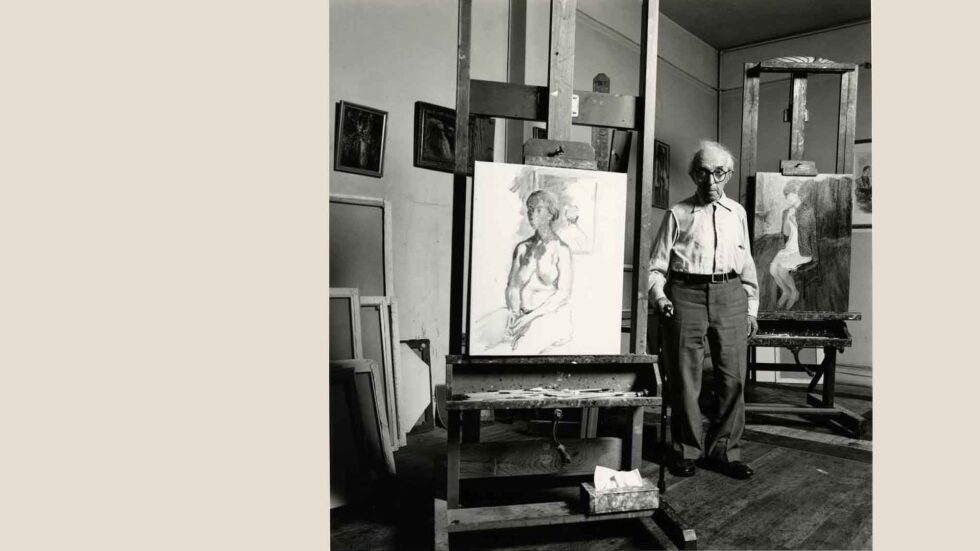
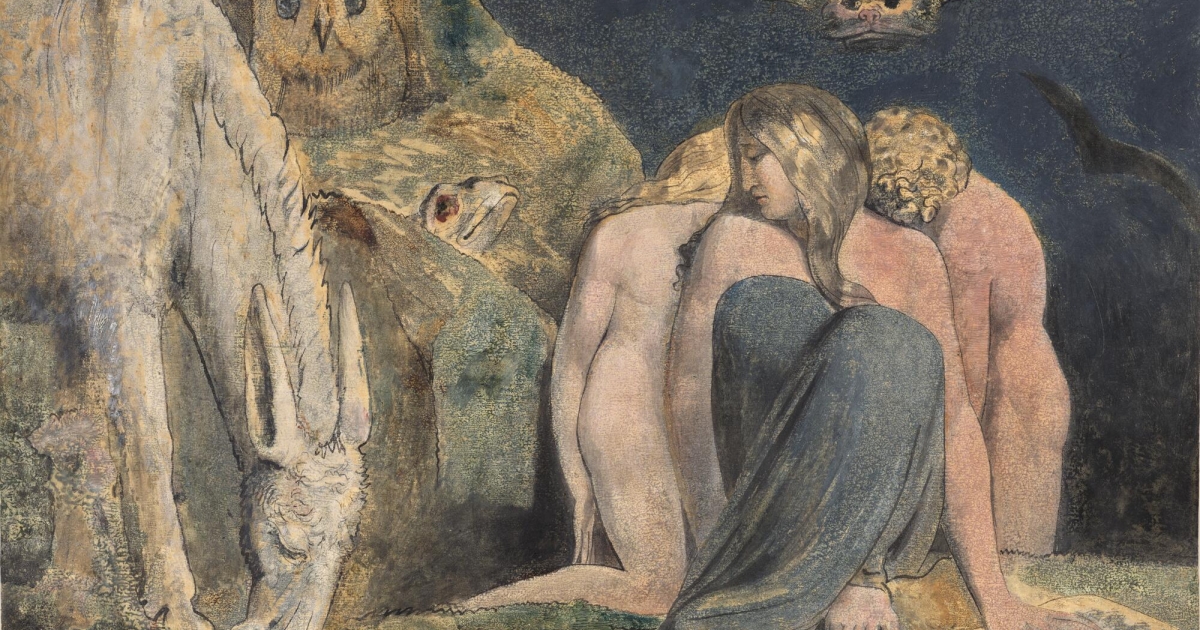
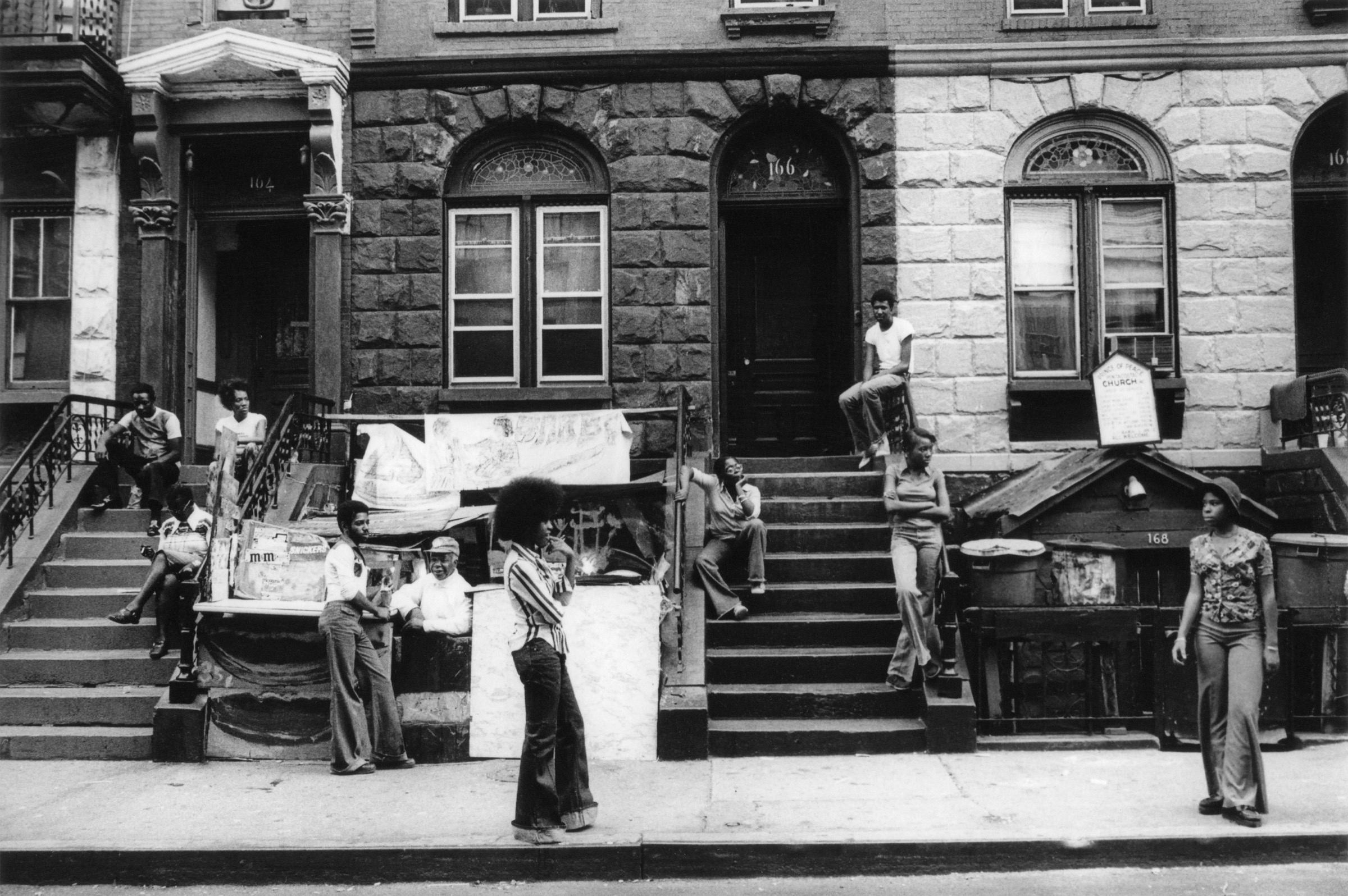
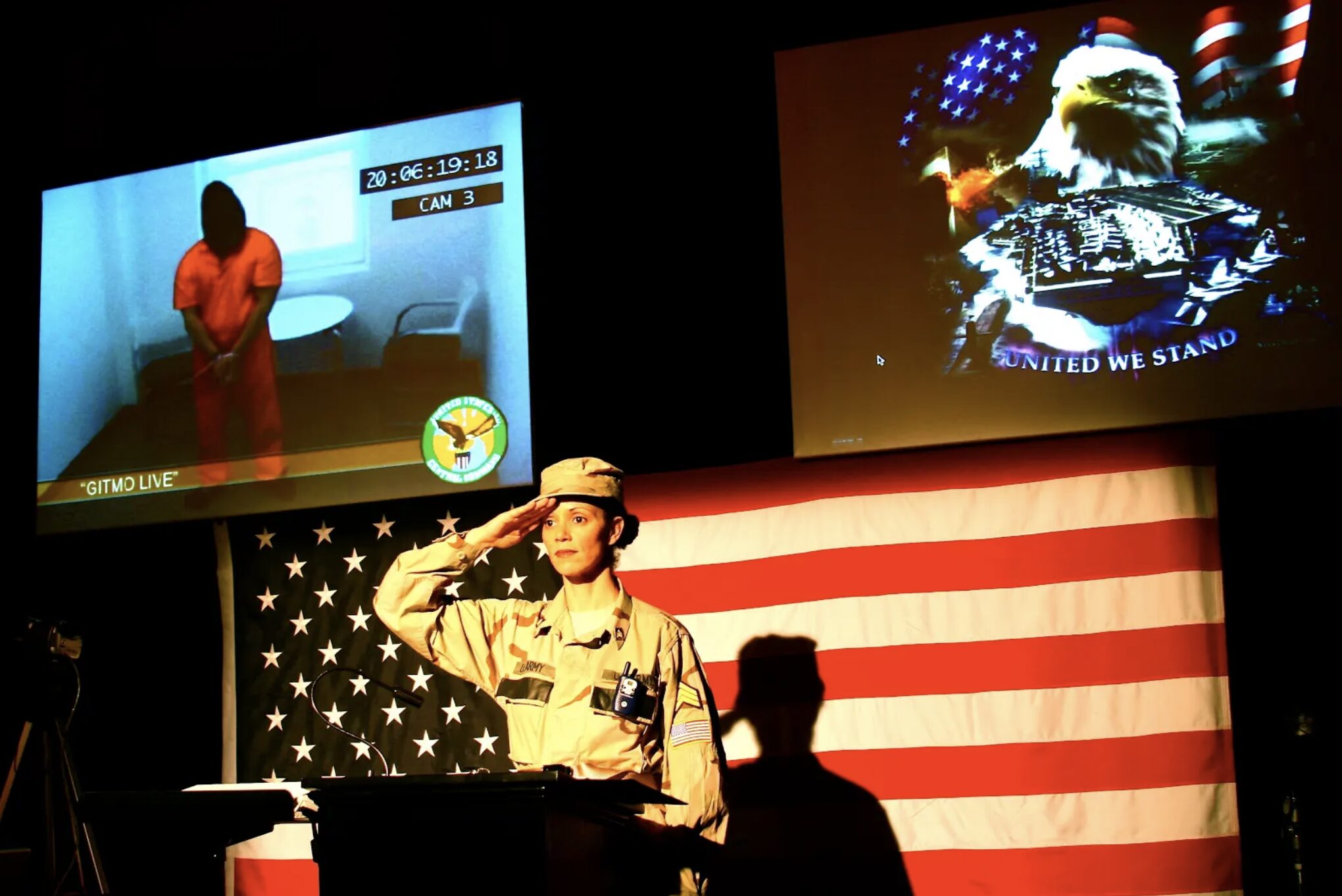
 Image: Magnes Collection of Jewish Art and Life, Berkeley
As the United States marks its 250th anniversary, the Magnes Collection of Jewish Art and Life in Berkeley is using objects from its holdings to map Jewish history, art and culture onto the national story. In a new online feature, ‘Woven into the Fabric: 250 Years of Jewish Life in America’, the museum frames the American motto E Pluribus Unum — “Out of Many, One” — through material evidence of how Jewish communities have helped shape the country while preserving distinct traditions.
The Magnes says the project draws on works in its collection to reflect a shared history that honors cultural difference. The feature opens with the idea that Jewish life in America has been formed by a long sequence of communities, from a small colonial population of Jews of Sephardic descent to later waves of European, Mediterranean, North African, Middle Eastern and Asian immigrants. Rather than treating that history as a single narrative, the museum presents it as a tapestry of objects, each carrying its own social, religious and political context.
Among the examples highlighted is Arthur Szyk’s ‘The United States of America’ (1945–1951), described by the museum as a visual anchor for the anniversary theme. The work combines the Great Seal and E Pluribus Unum with images of industrial and civic achievement, including the Mississippi steamboat and the Golden Gate Bridge, while surrounding those monuments with portraits of people who built them. The Magnes links the image to Szyk’s identity as a Polish Jewish refugee who fled Nazi totalitarianism and saw American strength in diversity.
Another key object is a mid-19th-century challah cover made for Gedalyah Ullman in 1852. The cover places the American bald eagle above the motto E pluribus unum and includes Hebrew text quoting Exodus 16:29: “See that the Lord has given you the Sabbath.” The museum uses the object to illustrate how 19th-century American Jews balanced religious life with civic belonging, turning a Shabbat table textile into a visible statement of dual identity.
The feature also turns to moments of conflict and fracture. In 1861, a lithograph portrait of Rabbi Max Lilienthal was defaced by Jacob A. Cohen of New Orleans, who altered the image in response to Lilienthal’s support for the Union. The Magnes presents the object as a testament to how the struggle over liberty and human rights divided communities, religious groups and families during the Civil War era. The record for the object identifies the original lithograph as a work by Nagel and Weingärtner after S. Schuster.
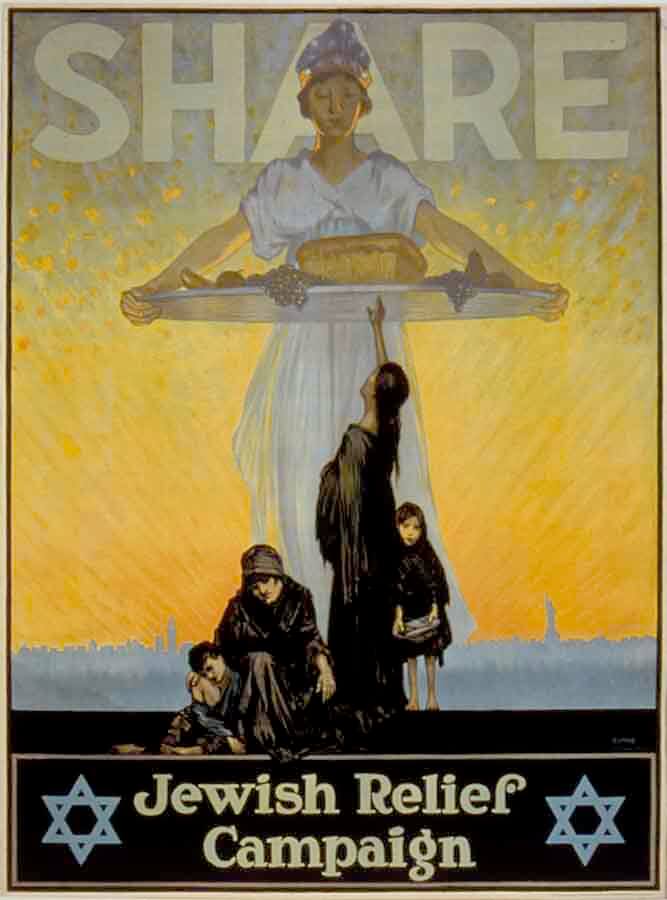
From there, the museum moves to 20th-century materials that connect Jewish life to war, immigration and popular culture. It cites a 1917 World War I poster, ‘Share’, created for the Jewish Relief Campaign, and Arthur Szyk’s ‘The Common Cause’ (1943), which depicts three men — a white man, an African American and a Jew — working together beside a tank. The feature also points to the legal legacies of Supreme Court Justices Benjamin N. Cardozo and Ruth Bader Ginsburg, and to Leonard Nimoy’s ‘Hands: Blessing’ (2002), which the museum relates to the Vulcan salute he adapted for ‘Star Trek’.
The anniversary feature is published alongside the Magnes’s summer communications and current programming notes. The museum says regular public hours are paused over the summer and will resume for the fall semester on Wednesday, September 2, 2026. Its next exhibition, ‘Nancy Lee Katz: A Private Pantheon’, opens to the public on the same date and will run through May 13, 2027 at 2121 Allston Way in Berkeley.