 Image: Fondazione Pistoia Musei ETS
Fondazione Pistoia Musei has sent out an overview of its permanent collections, presenting them as part of a wider programme of study and research, restoration campaigns, exhibitions, events and educational activity. The foundation describes its aim as a culture that is accessible and inclusive, addressed to local communities and to all visitors, attentive to the past, engaged with the present and responsible for the future.
The foundation runs four museum sites in the historic centre of Pistoia. Three hold the permanent collections: the Museo dell’Antico Palazzo dei Vescovi, the Collezioni del Novecento at Palazzo de’ Rossi and the Museo di San Salvatore. The fourth, Palazzo Buontalenti, a late sixteenth-century example of Florentine architecture, is given over to temporary exhibitions.
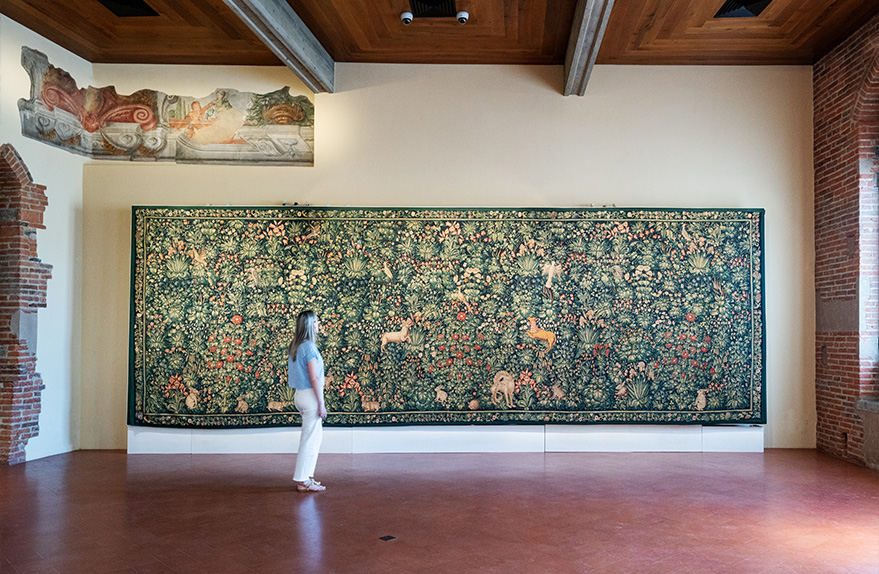
At the Museo dell’Antico Palazzo dei Vescovi, the highlights named are the millefiori tapestry, the wooden angel by Giovanni Pisano and the cycle of wall temperas by Giovanni Boldini, shown in rooms that also allow a close look at the building’s architecture. The museum’s recently reopened basement adds an archaeological route reconstructing the history of the site, from the first Roman settlement through the palace’s medieval construction to later alterations.
The Collezioni del Novecento at Palazzo de’ Rossi form a permanent itinerary devoted to artists active in Pistoia from the early twentieth century onwards, which the foundation presents as evidence of a province alert and responsive to national and international currents. The artists listed include Galileo Chini, Andrea Lippi, Mario Nannini, Eloisa Pacini, Pietro Bugiani, Egle Marini, Marino Marini, Fernando Melani, Gualtiero Nativi, Mario Nigro, Roberto Barni, Umberto Buscioni, Adolfo Natalini, Gianni Ruffi, Federico Gori and Zoè Gruni.
The Museo di San Salvatore is described as a small interactive museum tracing the history of the city’s oldest core. Alongside objects used between the sixteenth and seventeenth centuries, recovered from a votive pit found beneath the floor, it holds Roman-era finds from earlier excavations in the nearby Piazza del Duomo, and a fragment of the fresco Compianto sul Cristo morto, dated to the late thirteenth century and attributed to the circle of Lippo di Benivieni.
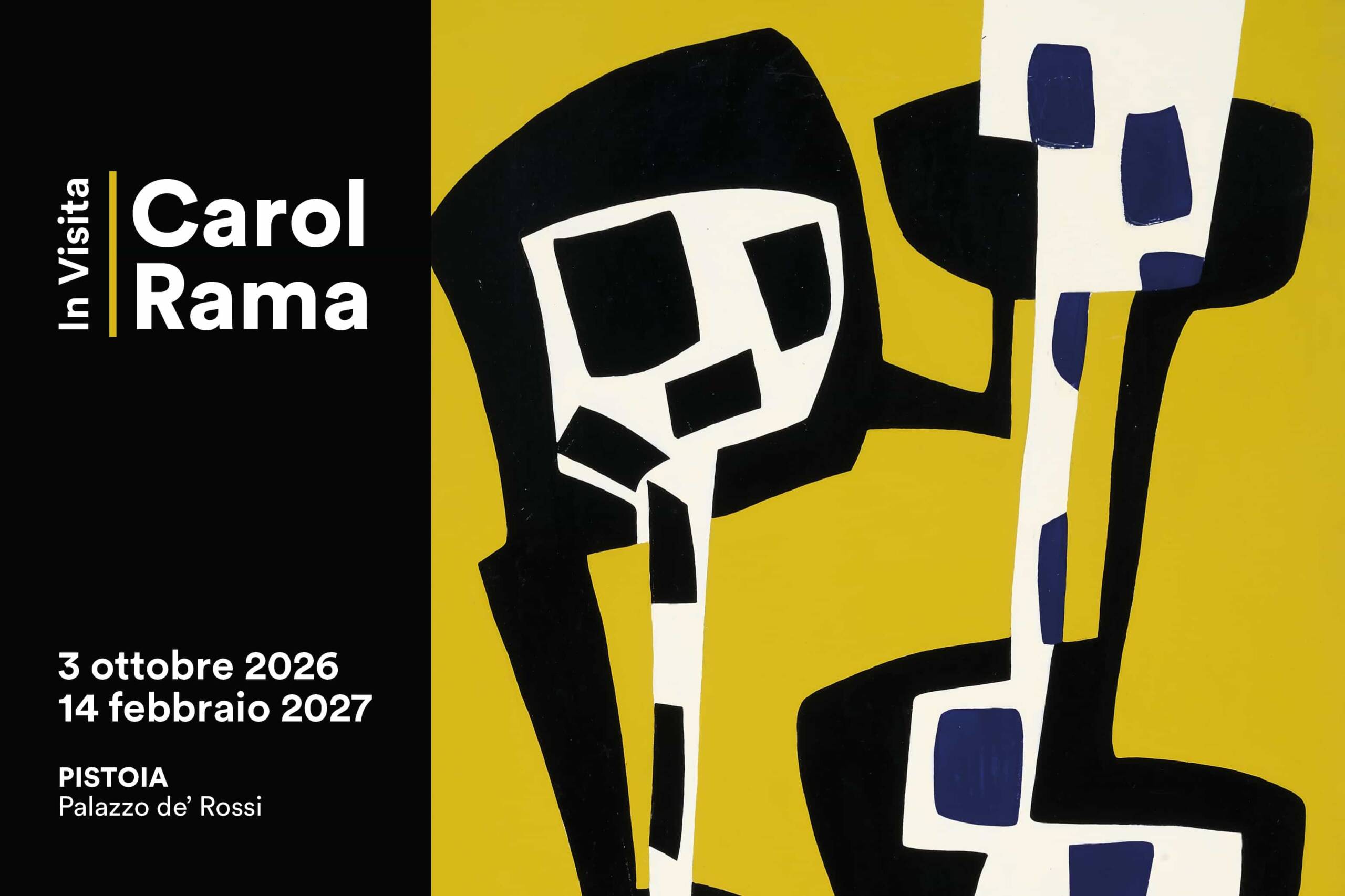
A Museum Pass, sold online and at the foundation’s ticket offices, admits visitors to all the collections on a single ticket at a reduced price. The collections are permanent, so there is no closing date; the foundation’s recent news items include its Ferragosto opening hours and a guided visit linked to its Carol Rama presentation.