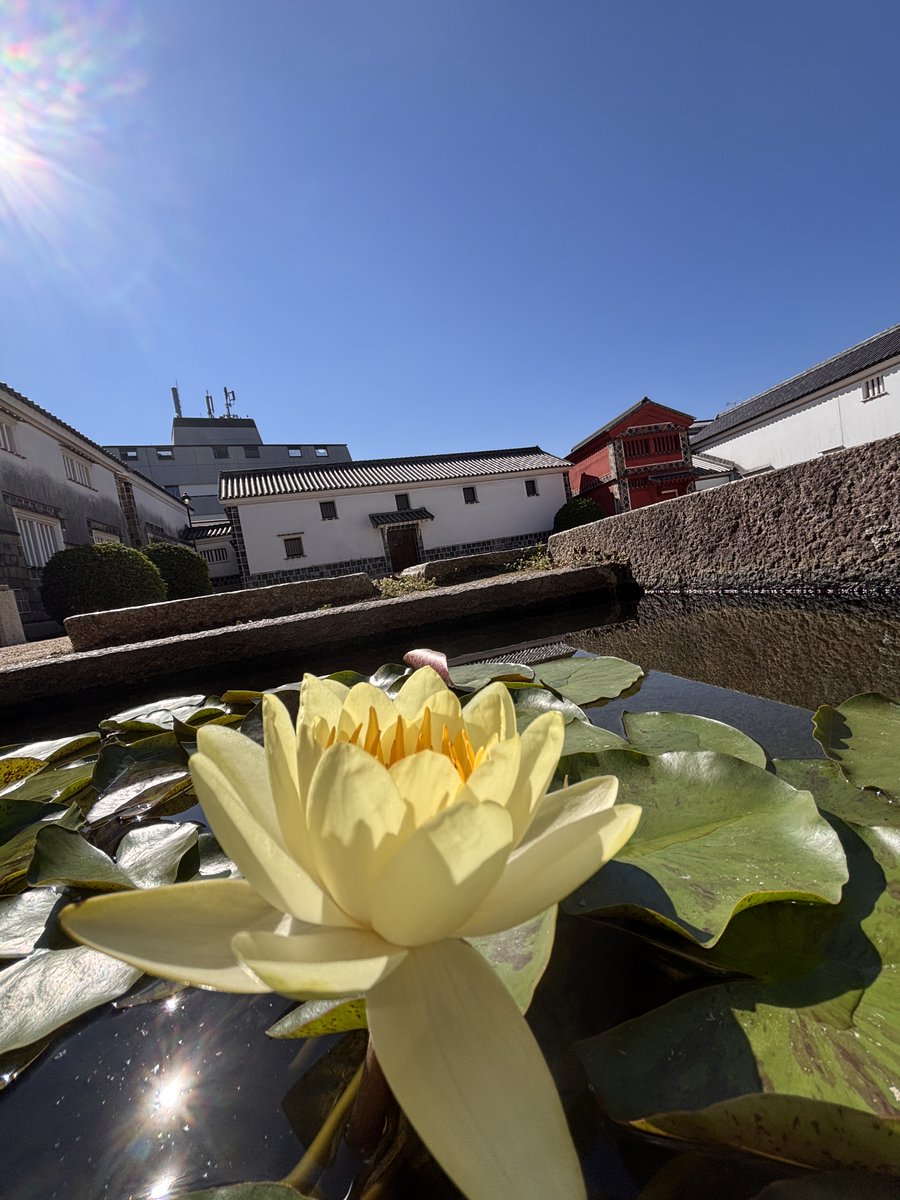
 Image: Ohara Museum of Art, Kurashiki
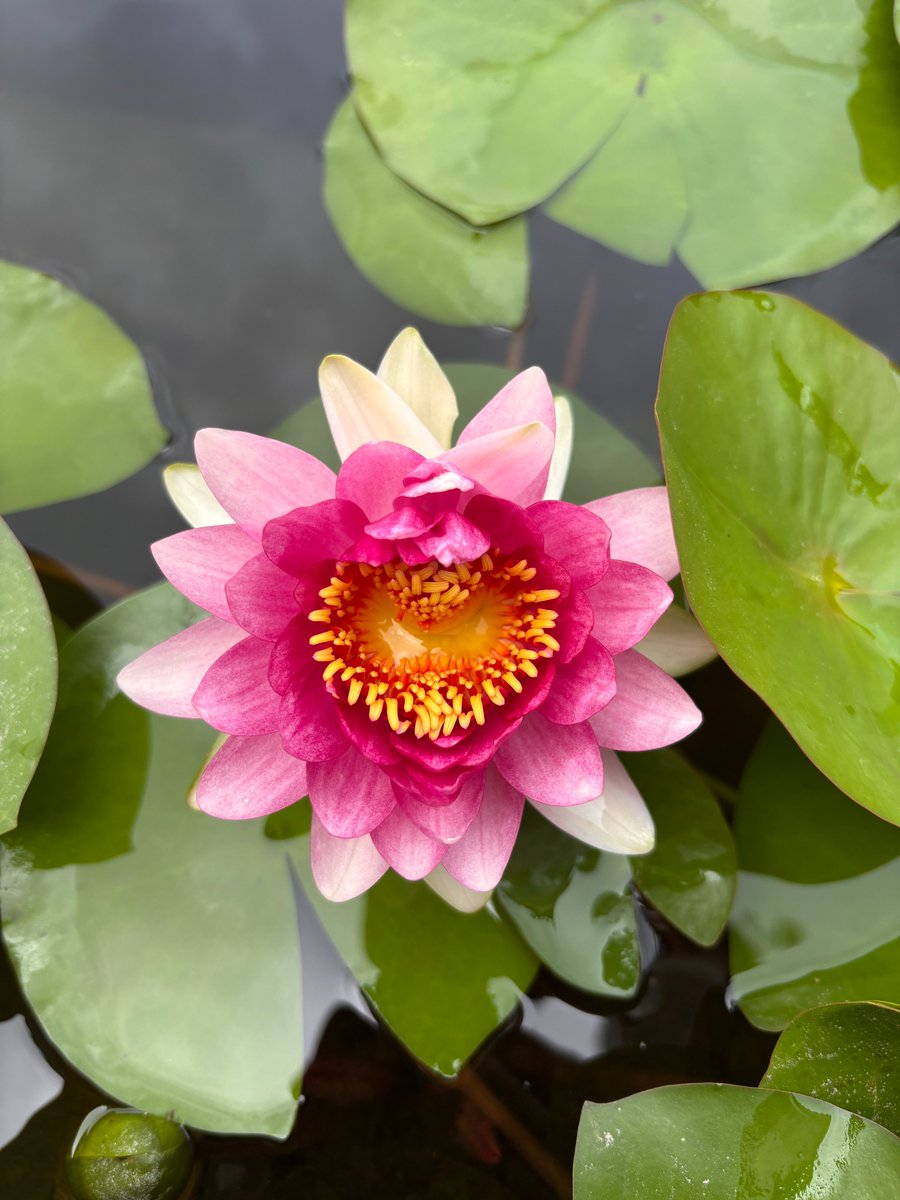
The Ohara Museum of Art in Kurashiki has reported an early and abundant bloom of water lilies in its courtyard, plants it says were divided from Claude Monet’s garden. In a post published August 5, the museum said that on August 3 the lilies reached 1,000 blossoms at the fastest pace in their history at the site, crediting the result to careful daily maintenance.
The museum’s announcement places the flowering squarely within its own grounds, where visitors are being encouraged to see the plants in person. The post does not describe a formal exhibition or special event, but it frames the lilies as a visible part of the museum environment and a direct link to Monet’s garden through the propagated stock.
Monet’s water lilies remain among the most recognisable motifs in modern art, and the Ohara Museum’s note highlights that connection through living plants rather than a loaned painting or temporary display. By identifying the lilies as divisions from the artist’s garden, the museum underscores a botanical and historical relationship to Monet that extends beyond the canvas and into the courtyard landscape.
The museum said the 1,000-flower mark was reached on August 3, calling it the earliest such result in the record it cited. No further details were provided about the duration of the bloom, the number of plants involved, or any accompanying programming.
Founded as one of Japan’s major art museums, the Ohara Museum of Art has long been associated with the presentation of Western art in Kurashiki, but the August post focused specifically on the courtyard planting. The museum’s message was concise and practical, emphasizing the success of the seasonal display and the routine care behind it.
Visitors to the Ohara Museum of Art are being directed to view the water lilies while they are in bloom. The museum’s notice ends with that invitation and the date of the record-setting flowering on August 3.