 Image: Art Gallery of Ontario
The Art Gallery of Ontario has opened The Impressionist Revolution: Monet to Matisse from the Dallas Museum of Art, an exhibition that frames Impressionism not simply as a 19th-century style, but as a movement that changed the course of modern art. The AGO describes the show as presenting “masterpieces painted by the innovators of the time” and tracing how the Impressionists reshaped artistic practice for generations that followed.
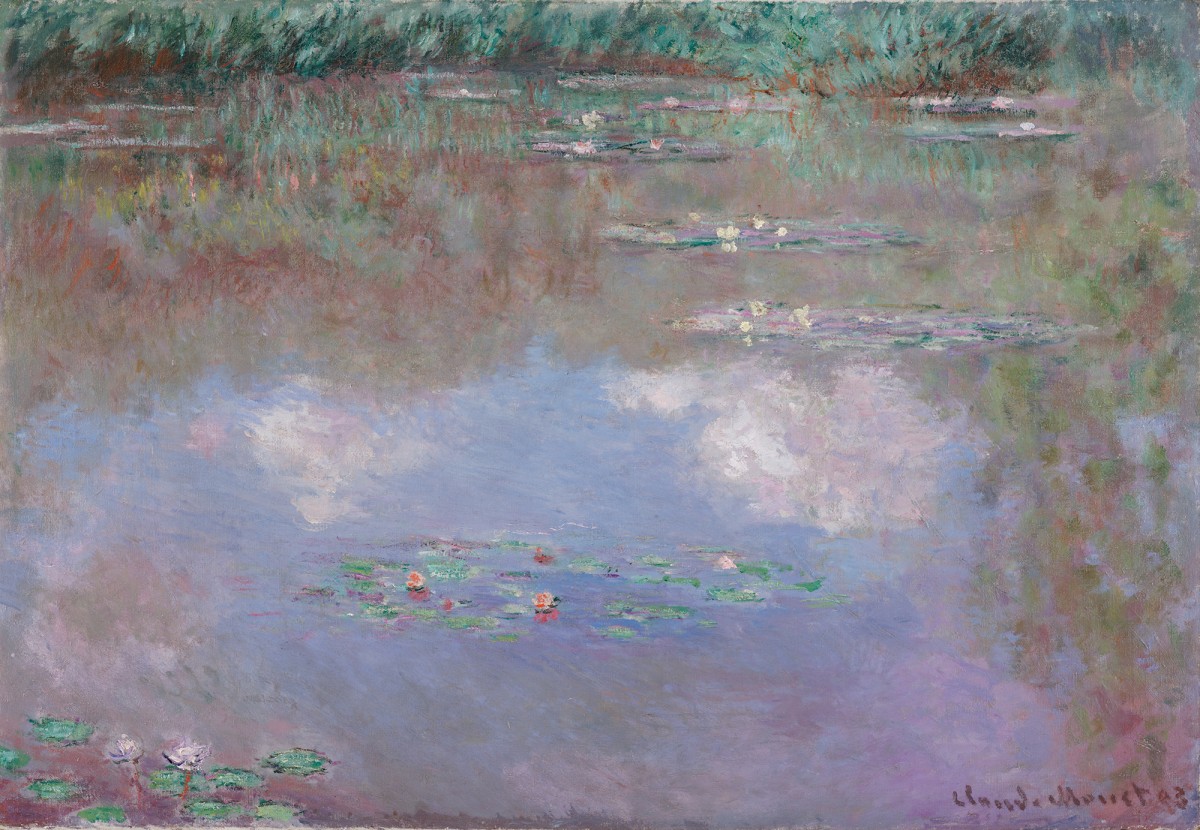
The exhibition brings together works associated with Claude Monet, Berthe Morisot, Henri Matisse and other figures linked to the movement’s expansion and influence. In AGO’s promotional materials, Monet’s The Water Lily Pond (Clouds) from 1903 is highlighted, underscoring how the exhibition reaches beyond the earliest Impressionist moment to consider the movement’s longer legacy and the way its experiments continued into the 20th century.
As installed at one of Canada’s major museums, the show adds a significant loan exhibition to Toronto’s summer art calendar. The Dallas Museum of Art’s role as lender gives the presentation institutional weight, while the AGO’s framing positions the exhibition as both a survey of famous names and a reminder that Impressionism was revolutionary in technique, subject matter and artistic ambition. Rather than presenting the movement as settled art history, the museum emphasizes its role in changing “the future of art.”
That point matters because Impressionism remains one of the most familiar movements in the global museum circuit, yet exhibitions that revisit it through major loans can still alter public understanding. By pairing canonical artists such as Monet with Morisot and Matisse, the AGO signals a broader view of modernism’s emergence, one that connects the first generation of Impressionist innovation to later developments in color, composition and seeing.
The exhibition is currently on view at the AGO in Toronto. The museum’s website presents it under its exhibitions program, alongside other current and upcoming shows, and identifies it as an AGO exhibition drawn from the Dallas Museum of Art. No closing date is specified in the source material provided.
In the wider art world, the show is notable less for novelty than for curation: a reminder that major museums continue to use collection loans to reintroduce well-known movements to new audiences. At a moment when Impressionism can risk being reduced to a set of blockbuster images, The Impressionist Revolution uses the authority of two major institutions to restate the movement’s historical importance and its lasting appeal.