 Image: MA Art Museum, Rouyn-Noranda
The Musée d’art de Rouyn-Noranda is mounting 'Une ville, quatre photographes', an exhibition that traces the city’s changing history through the work of Hubert Vavasour, Joseph Hermann Bolduc, François Ruph and Charles Gauthier. Presented as part of Rouyn-Noranda’s centennial celebrations, the show runs from 19 June to 4 October 2026 at the MA Art Museum in Rouyn-Noranda, Canada.
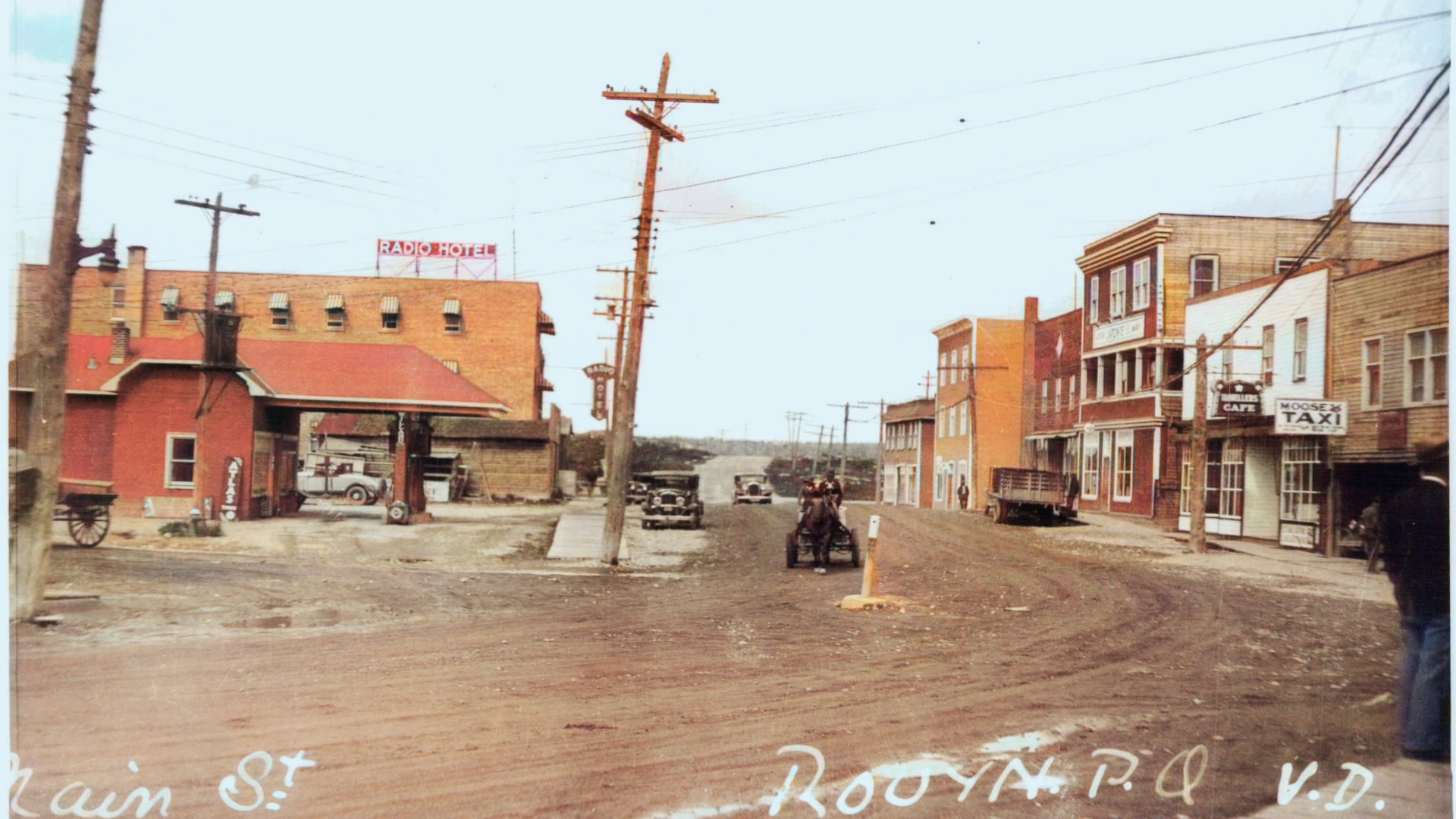
According to the museum, the exhibition invites visitors to travel through time by looking at Rouyn-Noranda through the eyes of four photographers who documented the city from its earliest years to its more recent transformations. The project brings together images spanning different eras of the municipality’s development, from the period of its foundation and mining boom to later decades marked by everyday life, urban change and industrial transition.
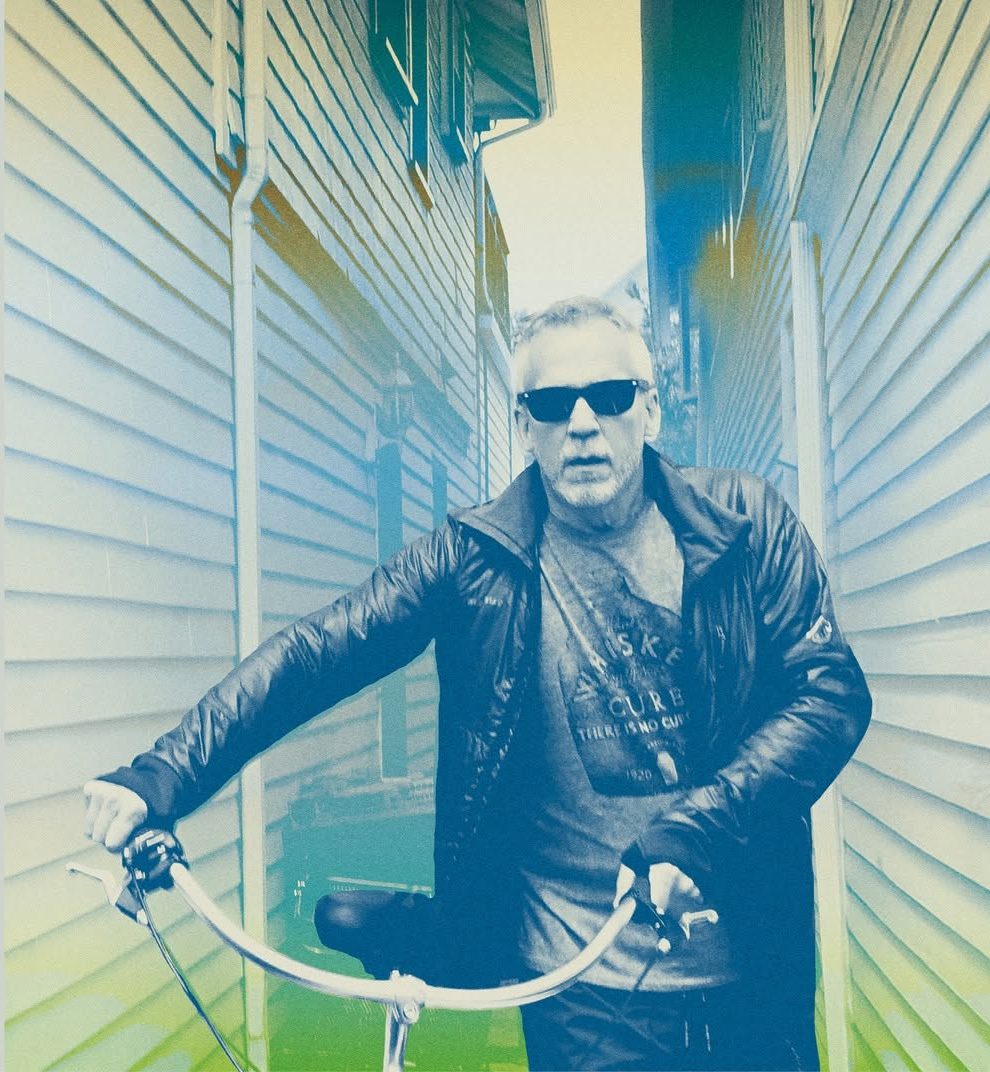
The museum’s exhibition text outlines a roughly chronological sequence. Vavasour & Dick was established in 1926 and remained active until 1930. Joseph Hermann Bolduc took over in 1935 and photographed the city until 1979. François Ruph began photographing scenes of daily life from 1972. Charles Gauthier, who arrived in Rouyn-Noranda in 1982, captured the mutations of an industrial city in transformation between 1982 and 1985. Together, the four bodies of work create what the museum describes as a dialogue between eras.
The exhibition frames photography as a record of collective memory. In the museum’s presentation, Vavasour’s work documents the growth of the mine and the communities that developed around it, while Bolduc’s pictures focus on the people and institutions of a more structured city. Ruph’s photographs attend to landscapes and the traces history left behind, and Gauthier’s images look to ordinary moments that can reveal larger stories about a community. The museum says the show renders Rouyn-Noranda’s metamorphoses through a visual narrative at the heart of the city’s memory.
Individual sections in the exhibition text further situate each photographer. Hubert Vavasour opened his first studio in the Théâtre Régal, later forming Studio Vavasour & Dick with James Andrew Dick. Bolduc’s archive is noted for its scale, with the museum referencing a fonds built from 22,000 original negatives, including 12,000 made by Bolduc himself. Ruph is linked to the 1978-1980 project 'Abbittibbi-Témiskaming – Western catholique et Klondyke québécois', and Gauthier’s practice is presented through documentary street photography attentive to human dignity and visual rigour.
The exhibition will open with an inauguration on Friday, 19 June, from 5 p.m. to 7 p.m., followed by a round table on Saturday, 20 June, from 11 a.m. to 12:30 p.m. The MA says the exhibition was made possible through the preservation of numerous negatives and slides in deposits at Bibliothèque et Archives nationales du Québec. Admission to the museum is free, with a suggested voluntary contribution, and the museum lists its summer hours from June to August as Tuesday, Thursday and Friday from 12 p.m. to 5 p.m., Wednesday from 12 p.m. to 8 p.m., and Saturday and Sunday from 12 p.m. to 5 p.m.