 Image: Tate Britain, London
Tate Britain’s latest email roundup places Hurvin Anderson’s first major solo show at the centre of a broader run of exhibitions and free displays now on view or coming soon at the London museum. The newsletter says Anderson’s exhibition is in its final weeks and points visitors toward related talks, tours and a video introducing the artist’s methods, while also drawing attention to works by James McNeill Whistler, a forthcoming survey of the 1990s, and a free cinema-based exhibition.
The email frames Anderson’s presentation as one of Tate Britain’s headline offerings, describing it as a colour-saturated exhibition that blends scenes from the UK and the Caribbean to explore ideas of belonging. Tate also directs readers to a tour “beyond the canvas” and a short video on the artist’s process, noting that Anderson uses photography to create paintings that move between memory, imagination and real places. The institution identifies the display as Anderson’s first major solo show.
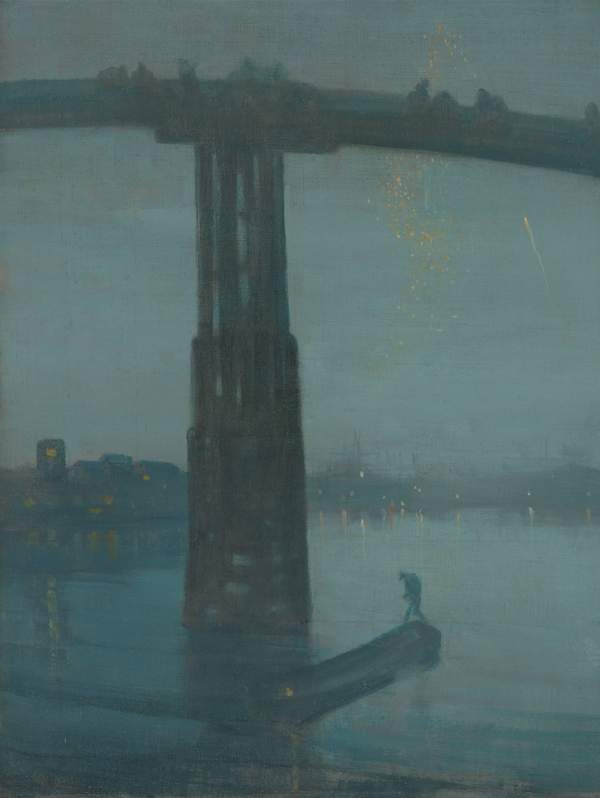
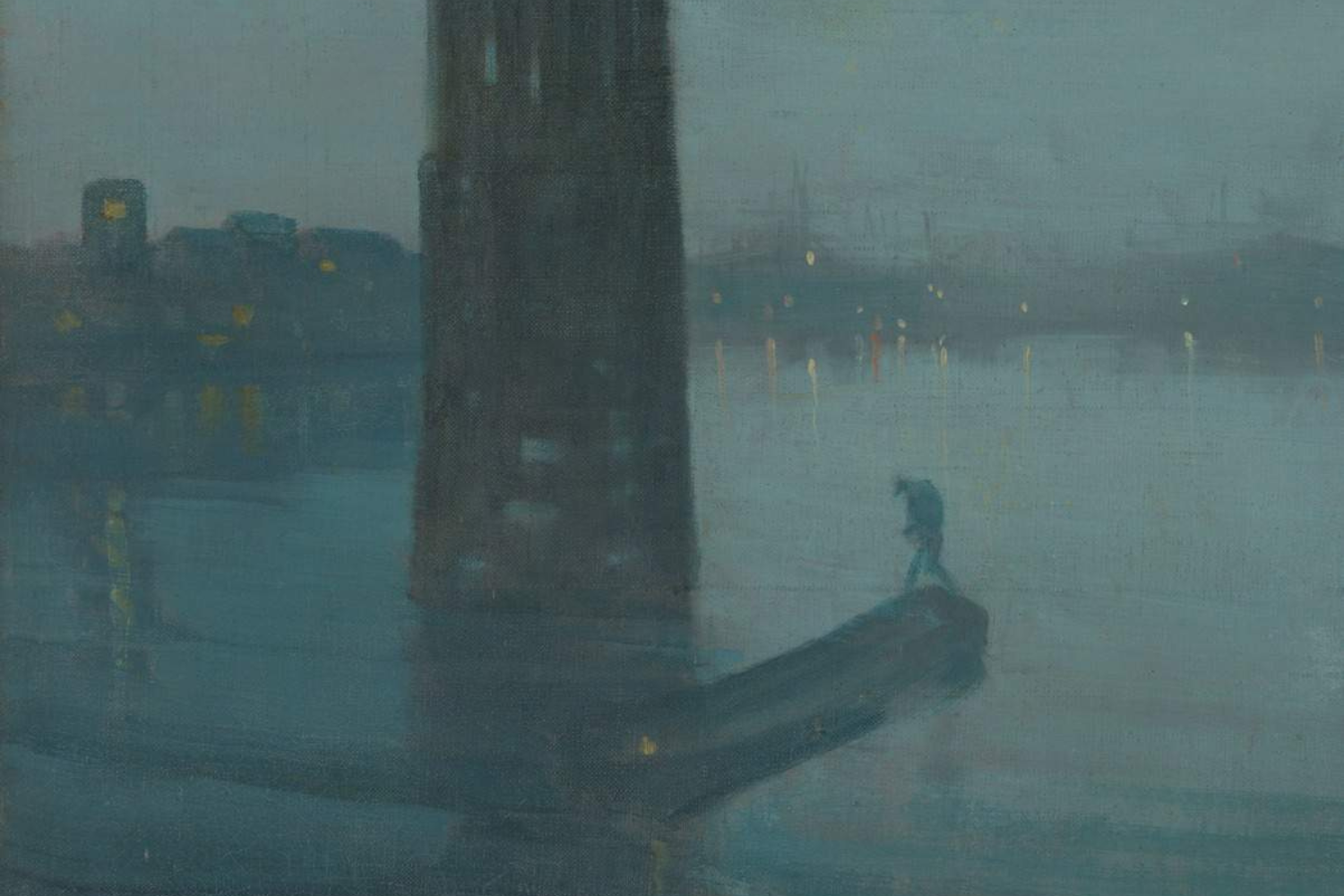
Alongside that focus, Tate Britain continues to promote an exhibition devoted to James McNeill Whistler. The museum’s email invites visitors to “dive into the ethereal paintings” of Whistler in a show described by The Independent as “spellbinding.” The programme materials also cite one of Whistler’s works, 'Nocturne: Blue and Gold - Old Battersea Bridge', and note that the associated ‘Whistler’s Finish Research and Conservation Project’ was supported by The Lunder Foundation, with related research supported by the Manton Historic British Art Scholarship Fund.
The institution is also looking ahead to 'The 90s: Art and Fashion', which it describes as a forthcoming exhibition devoted to the decade that redefined fashion, art, photography and design. Tate’s email does not give full venue details beyond the Tate Britain context, but it presents the project as part of the museum’s current and upcoming programme and says the show is supported by The 90s Exhibition Supporters Circle, with additional support from Tate International Council, Tate Patrons, Tate Members and Tate Americas Foundation.
The wider round-up also includes a free exhibition titled 'When Words Fall Silent, Cinema Speaks', described as a 1970s Algerian café environment celebrating cinema’s power to inspire political solidarity. Tate positions it among the other “more at Tate Britain” listings rather than as part of the Hurvin Anderson show, underscoring the breadth of the museum’s current offer across contemporary, historical and cross-disciplinary programming.
In the same email, Tate points visitors to a set of free artworks available at the museum, naming David Hockney, Lubaina Himid and John Singer Sargent among the artists represented. Another free display highlights John Singer Sargent’s 'Carnation, Lily, Lily, Rose', while the newsletter also references Juergen Teller’s 'Young Pink Kate, London, 1998' and sells custom prints of Anderson works including 'Ascension', 'Last House' and 'Jungle Garden'. The message closes by repeating support acknowledgements for the various exhibitions and commissions and by identifying Tate Britain Commission 2026: Zineb Sedira as another funded project in the institution’s programme.