 Image: Norman Rockwell Museum
The Norman Rockwell Museum is using the height of summer to frame its galleries as a destination for exhibitions, tours and public programming built around American history and image-making. In a July 7 email, the Stockbridge museum said it has opened a new display, Norman Rockwell Paints the Presidents, as a timely complement to its larger exhibition American Stories: Revolution to Rockwell, while also inviting visitors to take guided tours of the galleries and Rockwell’s studio.
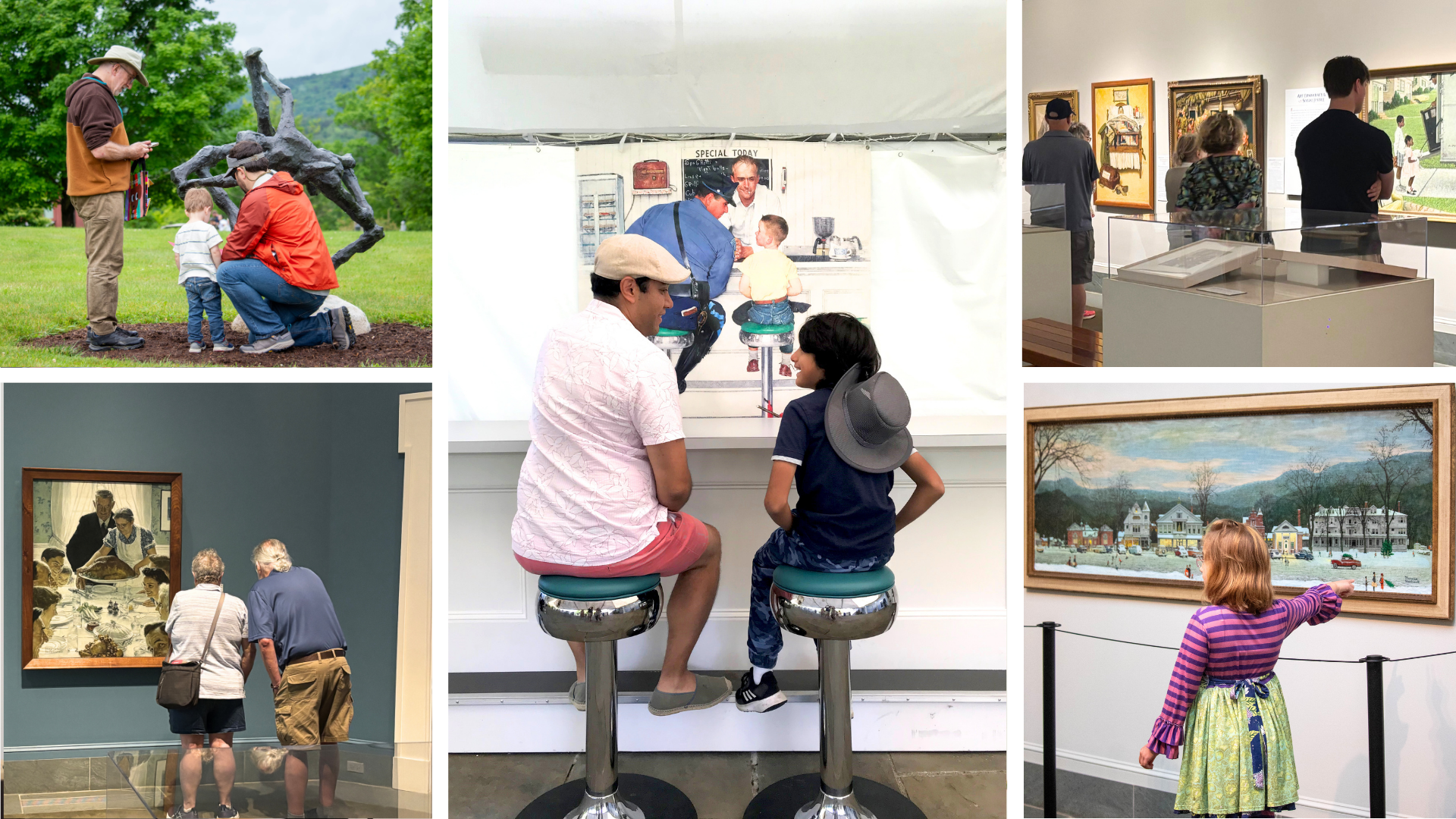
The summer push comes with the museum’s emphasis on its campus as a place for both viewing and learning. The museum said visitors can explore the scenic grounds and walking paths, alongside programs described as combining “breathtaking artwork with in-depth learning.” The message also noted that the institution had just held a Fourth of July celebration the previous weekend, underscoring how the museum is tying public events to its broader seasonal schedule.
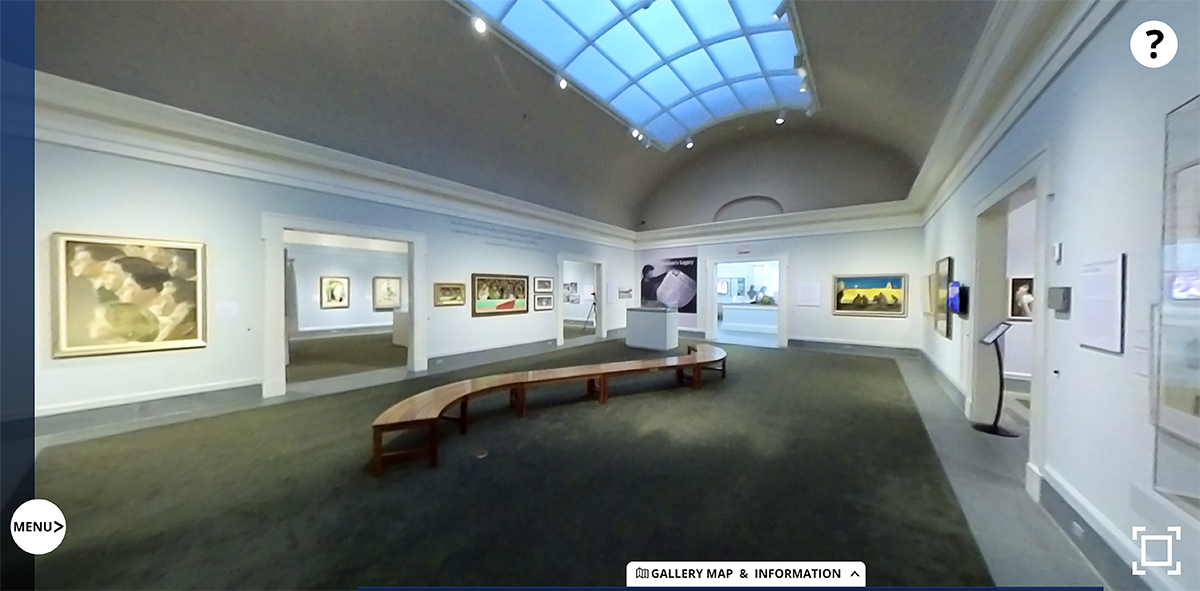
At the center of the announcement is American Stories: Revolution to Rockwell, the museum’s expansive exhibition on view this season. The new Norman Rockwell Paints the Presidents presentation is positioned as a companion to that show, extending the museum’s historical focus by bringing Rockwell’s presidential imagery into sharper view. The museum did not provide further curatorial details in the email, but the framing suggests an effort to connect Rockwell’s familiar place in American visual culture with the nation’s political and civic history.
The museum’s summer calendar also includes a series of gallery-based history classes every Wednesday in July. Titled American Stories: Rebels and Revolutionaries of the Berkshires, the sessions are offered at 11 a.m. or 5:30 p.m. and begin in the galleries of American Stories: Revolution to Rockwell. According to the museum, each class includes discussion of a work on view that connects to the day’s theme, with course instruction by Justin F. Jackson, a lecturer and visiting scholar at the University of Massachusetts at Amherst.
This week’s class topic is listed as “Navajo Blue Highway”: Daniel Nimham, the Stockbridge Mohicans, and the Revolution’s “Missing Indians.” The museum says the Wednesday closure creates “a unique opportunity for reflection and enjoyment” of the exhibition in a smaller-group setting. Individual classes are priced at $40 for members and $45 for non-members, with two-person pricing also available.
Another scheduled event highlights the museum’s collection and local ties. On Thursday, July 9 at 5:30 p.m., Donna Van Der Zee and Russell Lord, the museum’s chief of curatorial affairs, will lead a gallery talk on the art and life of photographer James Van Der Zee, who was born in Lenox, Massachusetts. The museum describes Van Der Zee as best known for his dignified portrayals of Black life during the Harlem Renaissance, and notes that a selection of his work is included in American Stories: Revolution to Rockwell.
The museum’s summer programming matters beyond a single exhibition cycle because it shows how institutions are using historical shows to generate layered interpretation rather than stand-alone display. By pairing Rockwell with topics that range from presidential imagery to Berkshire history and Van Der Zee’s photographs, the Norman Rockwell Museum is presenting its galleries as a place where American art, regional history and public education meet.