 Image: Triennale di Milano, Milan
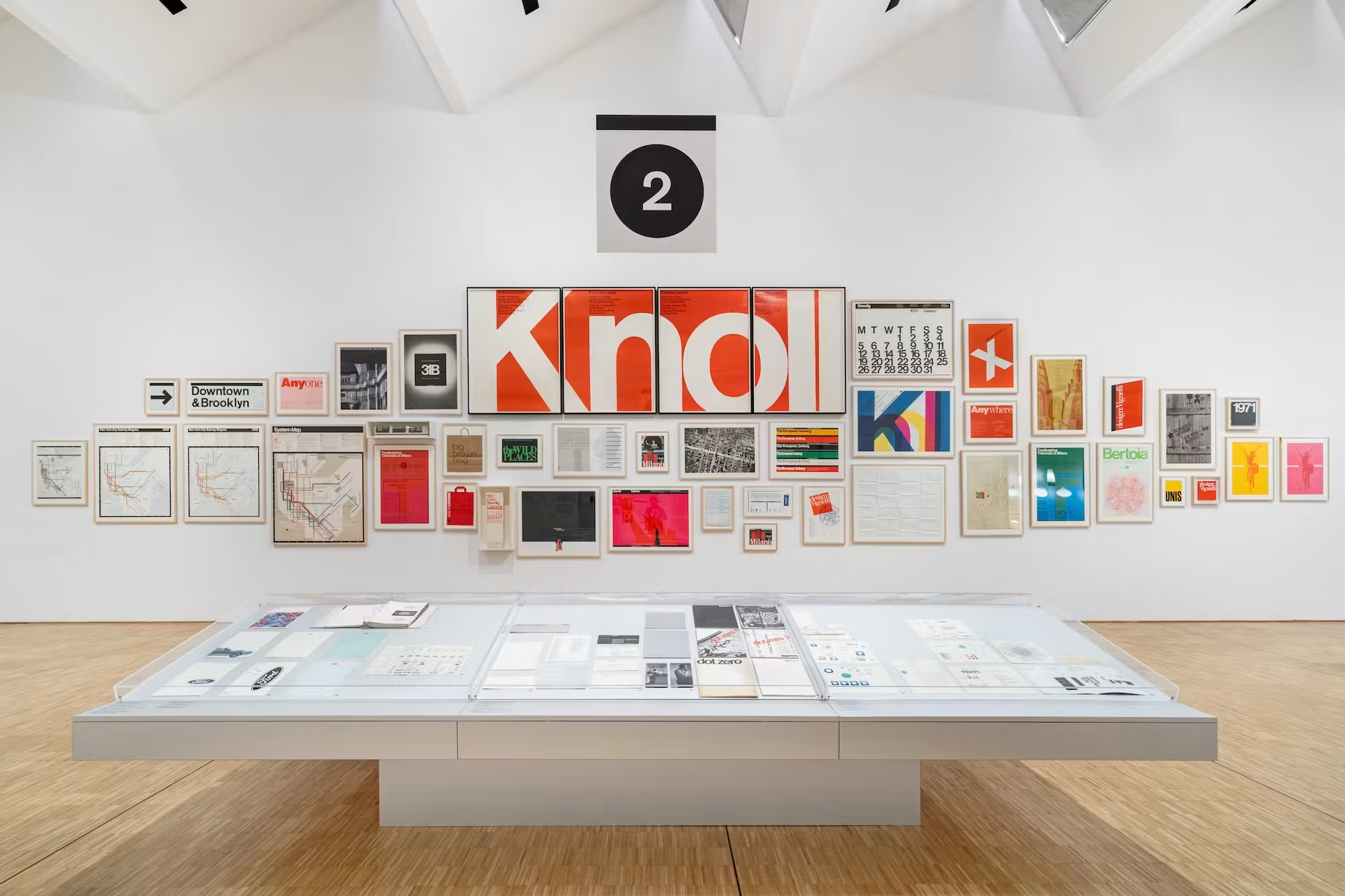
Triennale Milano is presenting a retrospective titled “Lella and Massimo Vignelli A Language of Clarity,” a show that highlights the pair’s decisive contribution to international design and graphics. The exhibition is on view until September 6, 2026, at Triennale Milano in Milan. According to the institution’s program material, it is one of several major exhibitions scheduled across the season, but this project stands out for its focus on two designers whose work helped shape the visual language of modernity.
The exhibition’s title signals its central premise: clarity as both method and legacy. Triennale describes the presentation as a “great retrospective” that brings attention to the Vignellis’ influence on global design and graphics. That framing places the show within a broader institutional commitment to design history, especially the kind of retrospective research that revisits the systems, identities and visual standards that continue to structure public life.
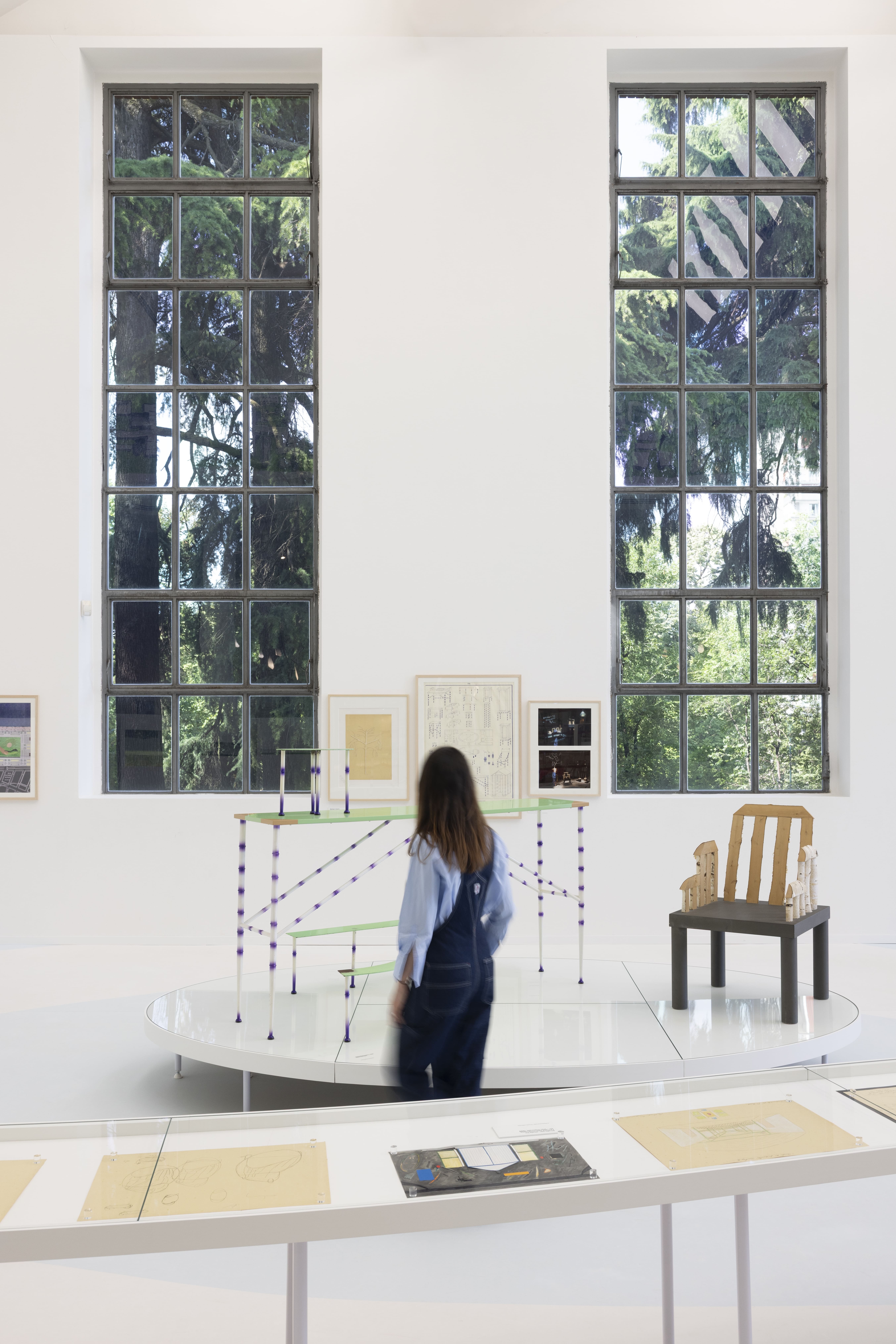
For Triennale Milano, the Vignelli exhibition sits alongside a wider program that includes exhibitions on Edward Barber and Jay Osgerby, Andrea Branzi by Toyo Ito, Francesco Clemente and Davide Stucchi, as well as long-running presentations devoted to Ettore Sottsass and the Museo del Design Italiano. In that context, “A Language of Clarity” forms part of an ongoing effort to connect canonical figures of design with contemporary audiences through exhibition formats that combine historical reflection and public access.
The Vignellis are particularly significant to the art and design world because their practice exemplifies the reach of graphic and environmental design beyond specialist circles. Triennale’s announcement does not list the exhibition’s contents in detail, but the emphasis on their “decisive contribution” suggests a survey of work that helped define standards of visual communication at an international level. In a museum setting, such a retrospective can function as both a historical account and a reminder of how design shapes everyday experience.
The show is presented at Triennale Milano, one of Italy’s key institutions for design, art and architecture. Its summer and seasonal programming includes a mix of temporary exhibitions, permanent installations and the Museo del Design Italiano, which the institution describes as a permanent collection of about 400 design objects produced between the 1920s and the 2000s. Against that backdrop, the Vignelli retrospective appears as part of a larger institutional narrative about the history and continuing relevance of design.
The exhibition matters because retrospectives of this kind do more than celebrate well-known names: they help define the field’s canon and explain why certain practices remain influential. By foregrounding Lella and Massimo Vignelli at Triennale Milano through early September 2026, the institution is placing clarity itself at the center of a discussion about how design communicates, endures and crosses borders. For visitors and professionals alike, the show offers a chance to revisit a body of work whose importance lies in its sustained impact on the visual culture of the international design world.