 Image: Hiroshima City Museum of Contemporary Art, Hiroshima
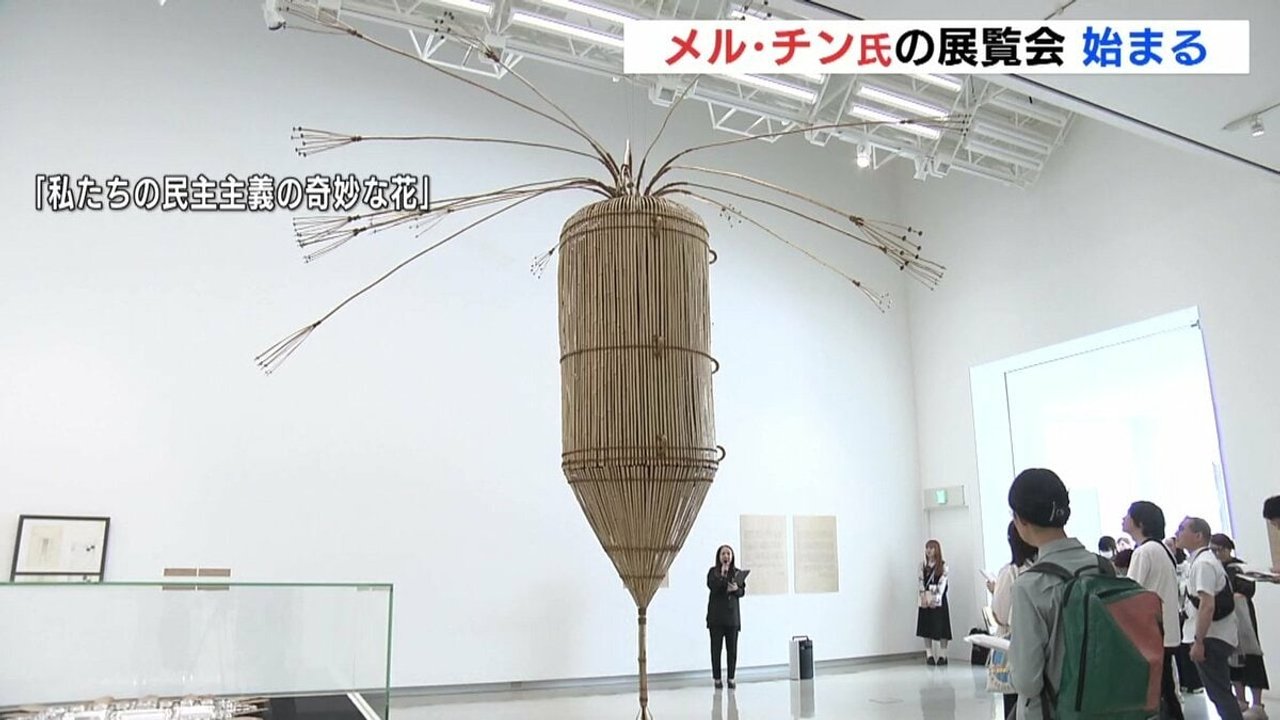
A recent Japanese newspaper report has highlighted a new work by American artist Mel Chin that evokes the Hiroshima atomic bombing through a large drum-like form and a figure standing on its surface. The piece is described as showing a drum whose shape recalls the Hiroshima blast, with the drumhead marked by a map of the affected area and a ceramic boy figure pressing down on it. The boy’s eyes are said to suggest both tears and a fierce resolve against injustice.
The report appeared under the headline 'Invitation (Hiroshima Prize)' and was published by Chugoku Shimbun Digital on July 28, 2026. It presents the work as a new creation by Chin, whose practice is introduced here only through this specific work and its relationship to Hiroshima’s history. No further details about the work’s title, materials beyond the reference to ceramic and drum, or exhibition setting were provided in the source text.
The newspaper’s description focuses on the visual charge of the object rather than on an extensive account of the artist’s broader career. The drum is framed as a powerful image of memory, with the reference to the city’s wartime destruction carried by the shape itself and by the map painted across the drumhead. The boy figure adds a confrontational human presence, transforming the object from a symbolic surface into a scene of tension and resolve.
Because the available source is a short commentary rather than a full exhibition announcement, it does not specify a venue, opening date, or public programme. It also does not identify whether the work has been installed, acquired, or shown as part of a particular museum presentation. The verified material simply introduces the work as a new piece by Chin and connects it to Hiroshima through its imagery.
Hiroshima City Museum of Contemporary Art, the organization associated here through the source record, has long been linked to contemporary art conversations that engage with memory, history, and social meaning. In that context, Chin’s work fits a subject area that resonates strongly in Hiroshima, but the source material does not state that the museum is exhibiting this piece or hosting an event tied to it. Any such implication would go beyond the verified text.
The report’s emphasis on the drum’s resemblance to the atomic bomb and the map on its head suggests an object conceived as a charged visual metaphor rather than a neutral sculpture. The ceramic boy figure, with a face described as ready to cry, underscores the piece’s emotional intensity and its direct engagement with the theme of injustice. The article ends there, with the new work presented as a stark image that joins Hiroshima memory to contemporary art language.