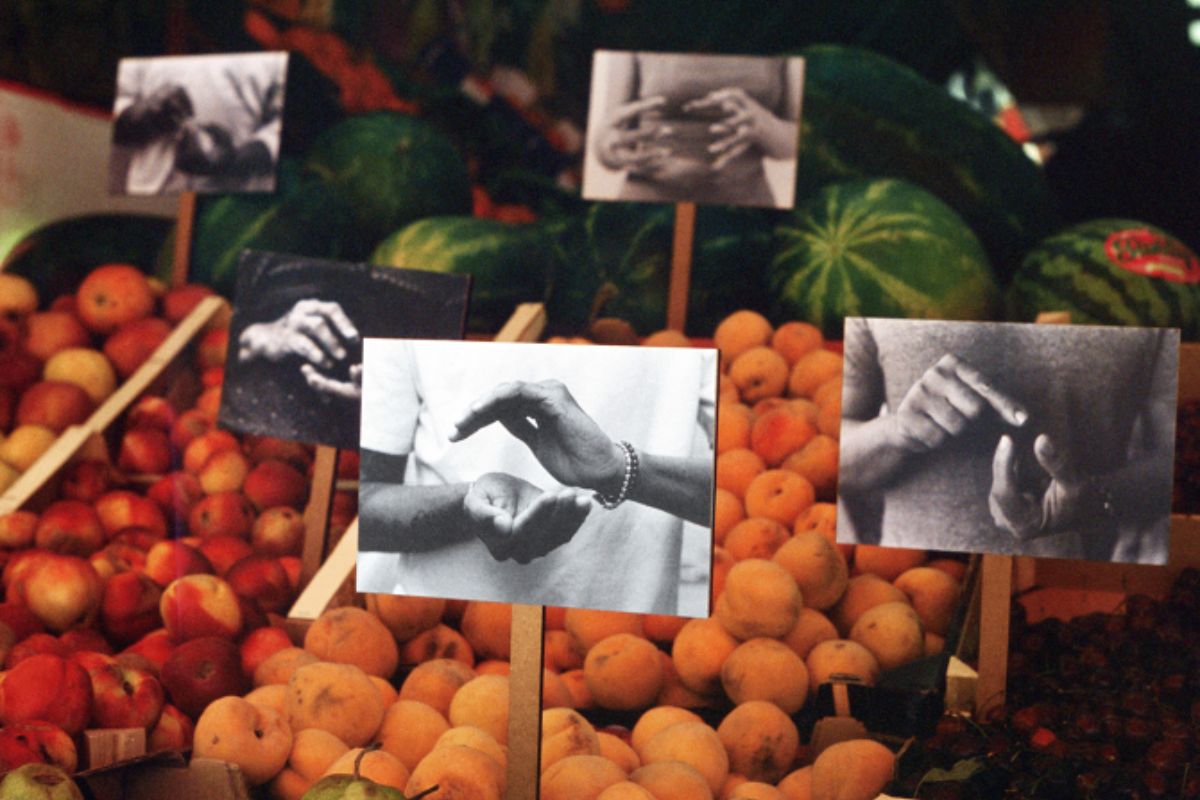
 Image: Museo de Arte Moderno, Medellín
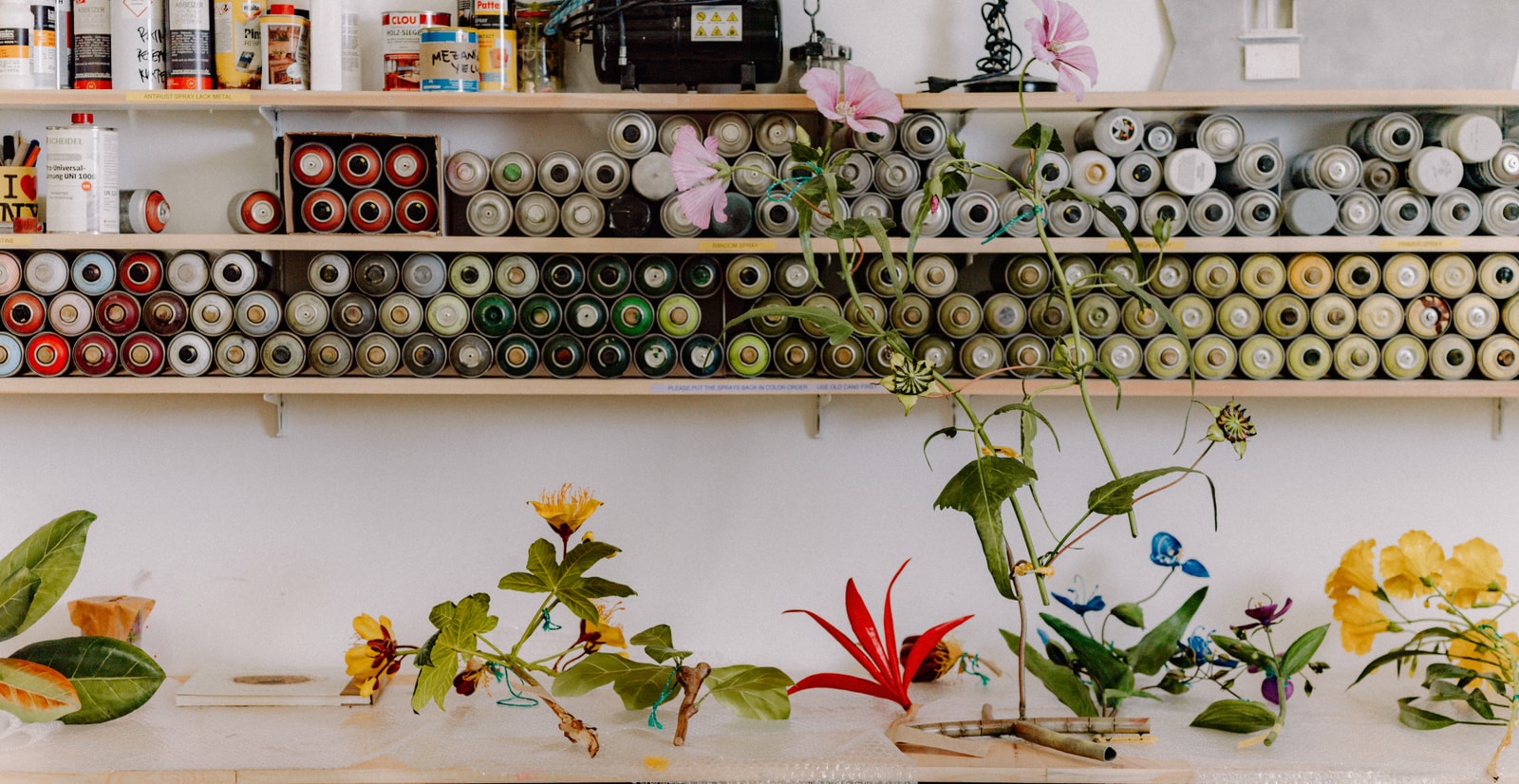
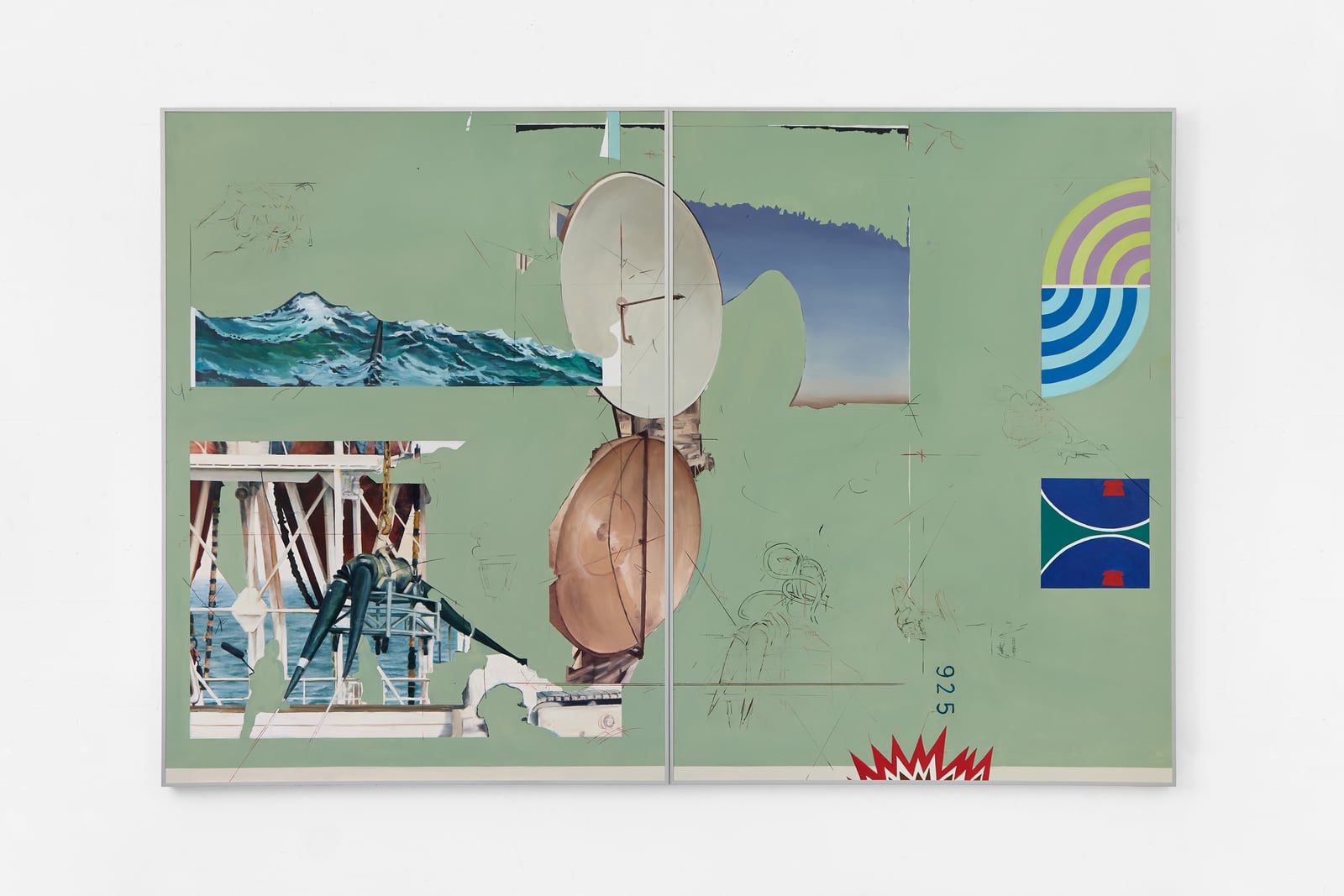
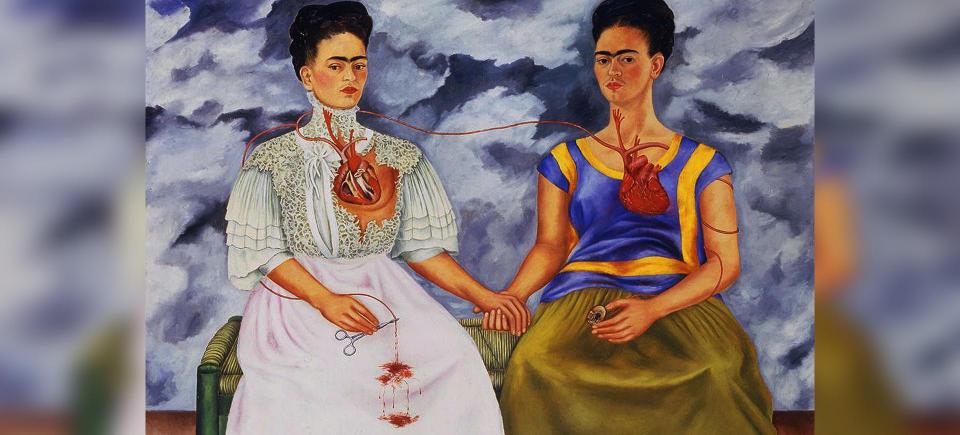
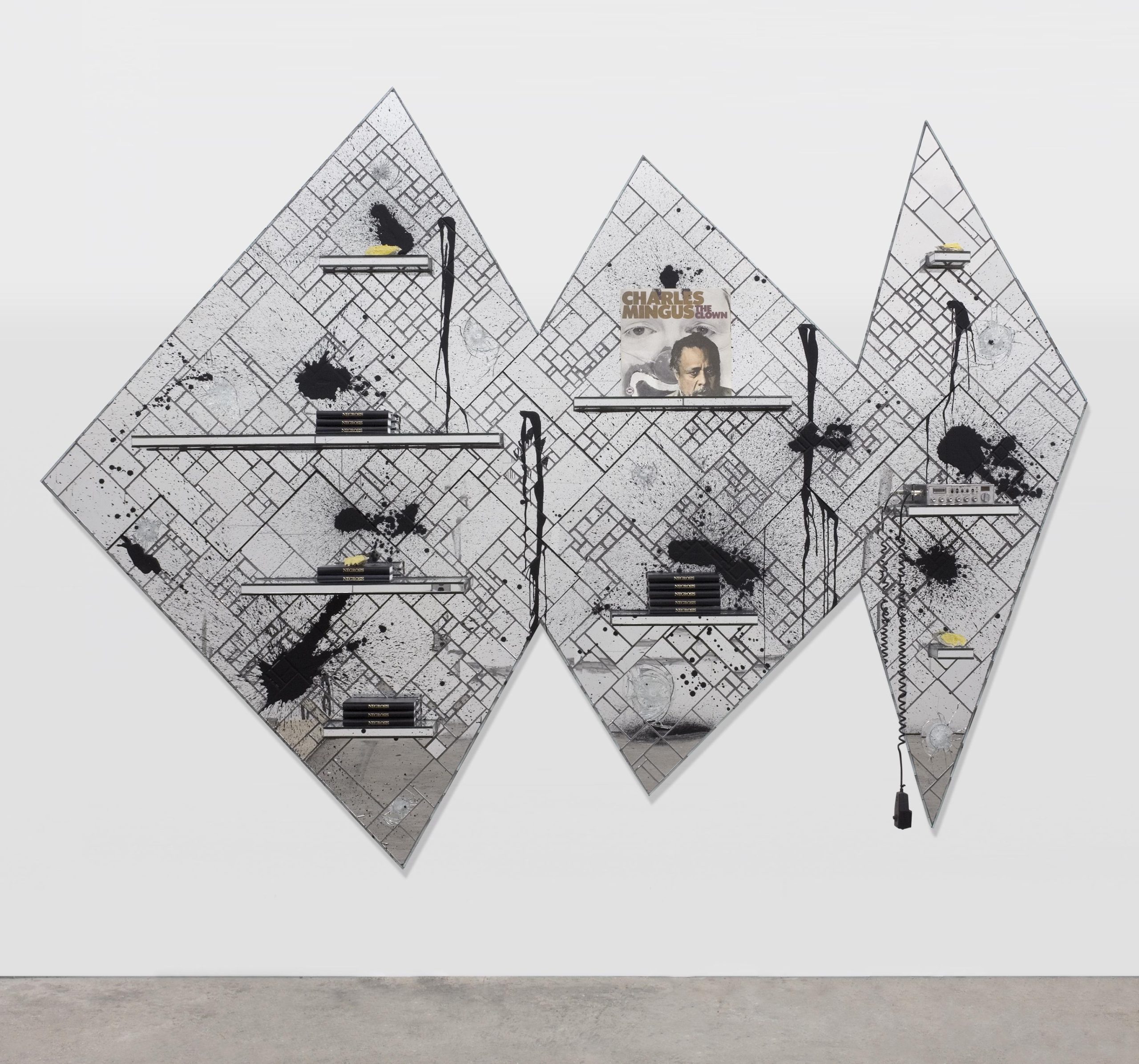
The Museo de Arte Moderno de Medellín is presenting 'La luz, el fuego y la ceniza', an exhibition curated by Ana Ruiz Valencia that runs in Salas B and C through 9 August 2026. The project frames food as a political, cultural and spiritual axis, using art and participatory activity to trace connections between nourishment, community, land and memory.
According to the museum, the exhibition takes its title from a reflection on the sun as “the original food”: light that sparks life, fire that sustains it, and ash that fertilises the earth. The exhibition text describes the sun as a structuring force for life across spiritual, environmental, territorial, more-than-human, cultural and political dimensions. It also links eating, cooking and shared meals to forms of resistance and collective support.
The exhibition brings together work by a large group of artists, including Alejandro Ramírez Restrepo, Anca Benera & Arnold Estefan, Carlos Alfonso, Carolina Caycedo, Christian Salablanca, Claudia Claremi, Ernesto Restrepo Morillo, Fabio Melecio Palacios, Jorge Julián Aristizábal, Las Nietas de Nonó, Manuel Correa and Marina Otero, María Buenaventura, Maritza Sánchez, Miguel Ángel Cárdenas, Sofía Olascoaga, Tatyana Zambrano, Vivien Sansour and Yuliana Bustamante Sosa. The museum says the works emerge from situated practices and examine food systems operating at multiple scales, including territorial degradation and transformation tied to colonial-origin economies that remain central to contemporary food industry structures.
The exhibition page says the project unfolds in two mutually reinforcing instances: an installation in the gallery and a “living” programme of public activities. That programme includes performances and actions inside and outside the museum, and invites local agents such as farmers’ markets, seed guardians, cooks and urban gardens to amplify their practices and open spaces for exchange and collective learning.
The museum’s description situates the exhibition across a wide geographic range, referencing the valleys of Aburrá, the Cundiboyacense high plateau, the Caribbean islands, Almería in Spain, Costa Rican cooking, Romanian grasslands and seed banks in Palestine. It asks how local and global forces intersect in food production, and how climate change, migration and exploitation affect food security and sovereignty in the global south.
Several related events are listed alongside the exhibition in MAMM’s programme. On 30 July, the museum will host the performance 'Cicatrices', by Luz Lizarazo, performed by Compañía Wangari Danza Afrocontemporánea under the direction of Yndira Perea. The event page says the action treats skin as a surface of memory where wounds, affections and violence are inscribed, especially on women’s bodies.
On 4 August, Carolina Caycedo will lead 'Tororoí Resiste', a participatory geocoreography in the Plazoleta MAMM, in collaboration with the Sociedad Antioqueña de Ornitología. A conversation with Caycedo is also scheduled that evening in the Nave central, bringing together the artist and curators Marielsa Castro and Ana Ruiz Valencia in the context of 'Nos habitan pájaros y montañas' and 'La luz, el fuego y la ceniza', with both exhibitions’ catalogues to be presented during the meeting.