 Image: Leeum, Samsung Museum of Art, Seoul
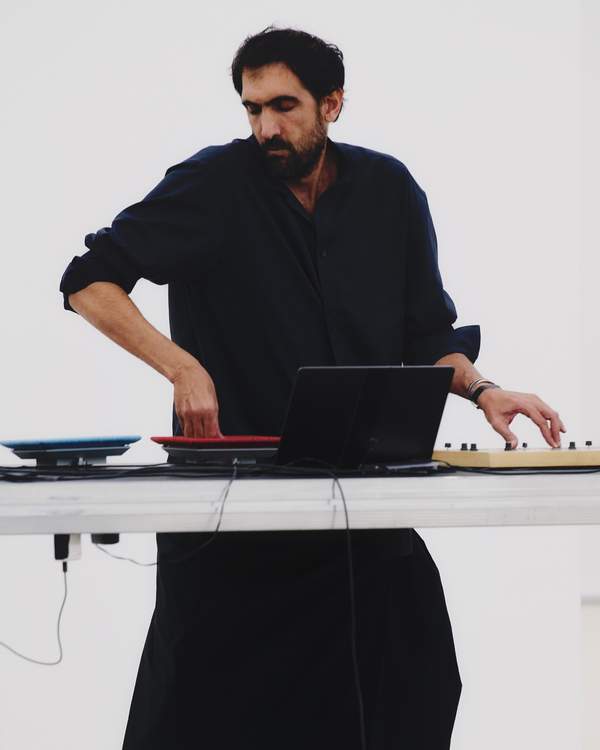
Kurimanzutto will present ‘Tarab: Recordings of Classical Arab Music Selected by Tarek Atoui’ simultaneously in Mexico City and New York from June 25 to August 15, 2026. The project is described by the gallery as its first presentation to unfold across both locations at once, inviting visitors to pause and listen to recordings selected by artist and composer Tarek Atoui from an archive shaped by more than two decades of listening, travel and collecting.
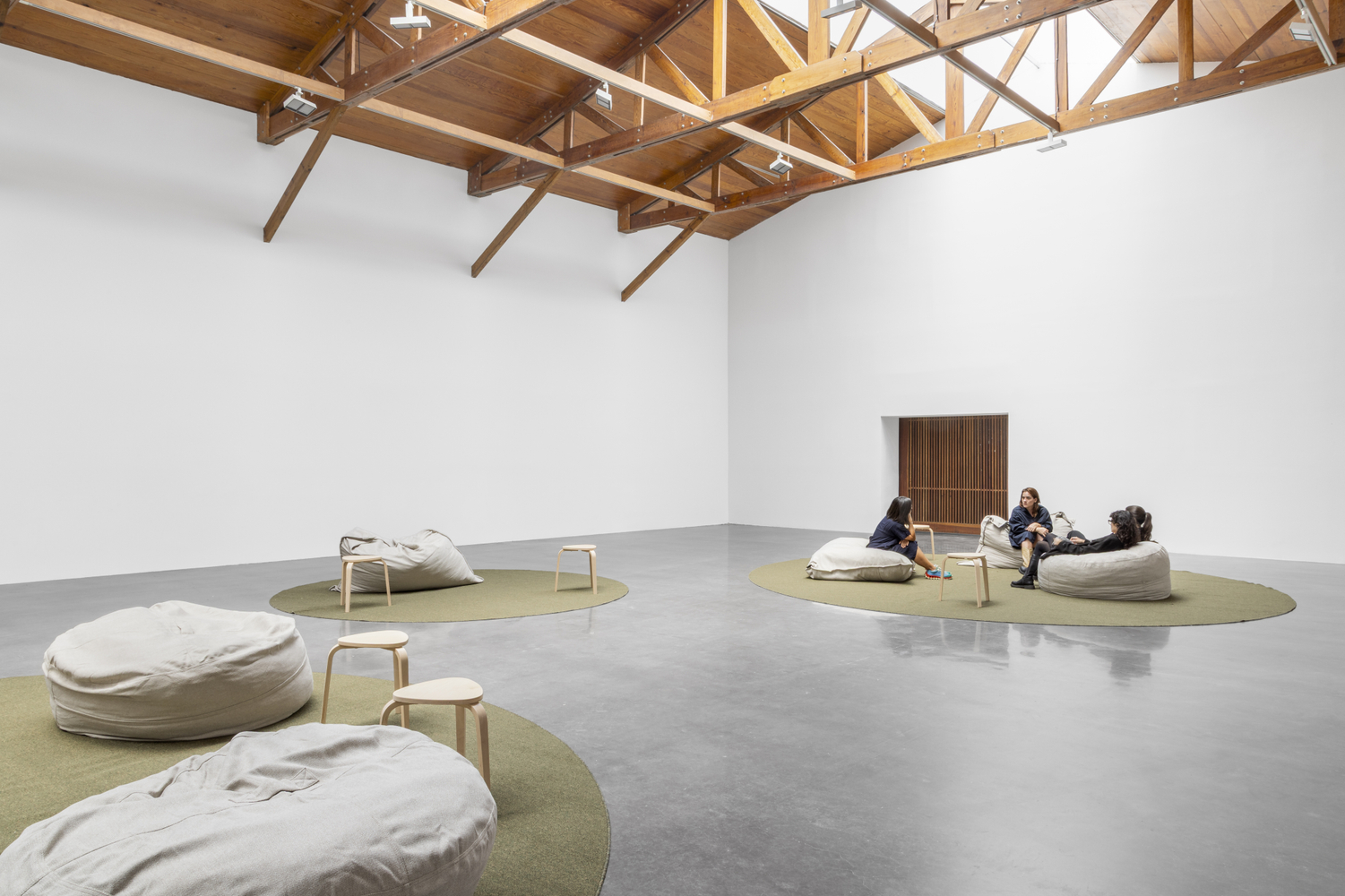
The exhibition centers on classical Arab music drawn largely from the first half of the 20th century. Kurimanzutto says the selection was assembled by Atoui in the spirit of one music lover sharing records with others, and that the gallery space is conceived as a place where listening can become a form of dialogue with oneself and with the history embedded in the recordings. The project is framed against what the gallery calls a current global climate of noise, positioning sound as a medium for connection rather than distraction.
In the exhibition text, tarab is defined as a heightened emotional state music can produce in the listener, bordering on trance. The term also refers to a musical tradition that flourished across Egypt, Syria, Lebanon and Palestine during the Nahda, the Arab cultural renaissance of the late 19th and early 20th centuries. Kurimanzutto notes that the development of this repertoire coincided with the emergence of sound recording technologies, record labels and radio, all of which changed how the music was heard and circulated.
The gallery also situates the exhibition within the history of migration and diaspora. As the Ottoman Empire dissolved and waves of people from the Eastern Mediterranean settled across the Americas, the music traveled with them. According to the gallery, the diaspora took root in the United States, Mexico and elsewhere in Latin America, where Arab music record labels were established in cities such as New York and where a culture of listening was sustained as a form of collective memory. The recordings on view are presented as a glimpse into a broader tradition that has long resisted fixed authorship and single versions, instead relying on improvisation around shared melodies and modal structures.
Atoui’s selection is said to underscore the oral character of the repertoire and its capacity to change across contexts. Kurimanzutto emphasizes that classical Arab music has historically carried connections and bridges across religious and linguistic boundaries, and that its versatility and resilience continue to register a larger history of migration across the Middle East and beyond. The exhibition asks visitors to hear not only the recordings themselves but also the cultural relationships they hold.
The project is organized across Kurimanzutto’s galleries in Mexico City and New York, with gallery hours listed separately for each location. In Mexico City, the gallery is at Gob. Rafael Rebollar 94, with hours Tuesday to Thursday from 11 am to 6 pm and Friday and Saturday from 11 am to 4 pm. In New York, Kurimanzutto is at 516 W 20th Street, with summer hours Monday to Friday from 10 am to 6 pm and a note that the gallery will remain closed from August 3 until September 10. ‘Tarab: Recordings of Classical Arab Music Selected by Tarek Atoui’ runs through August 15, 2026.