 Image: Benton Museum of Art, New York
During the past year, the team focused on capturing all marks on the works on paper stored in the museum’s flat files and has now achieved that goal, with the marks on 1,500 items—including signatures, stamps, watermarks, labels and more—available in the online collection.
The recorded marks can provide information about an artwork’s maker, date, paper manufacturer, exhibition history and ownership. Artists’ signatures confirm who made the art and often include the date it was created; watermarks tell who made the paper that the artist used; and labels can provide information about where the artwork has been exhibited or who has owned it.
A colorless stamp impressed, rather than applied with ink, onto paper can be hard to see, which is why such marks are often called ‘blind stamps.’
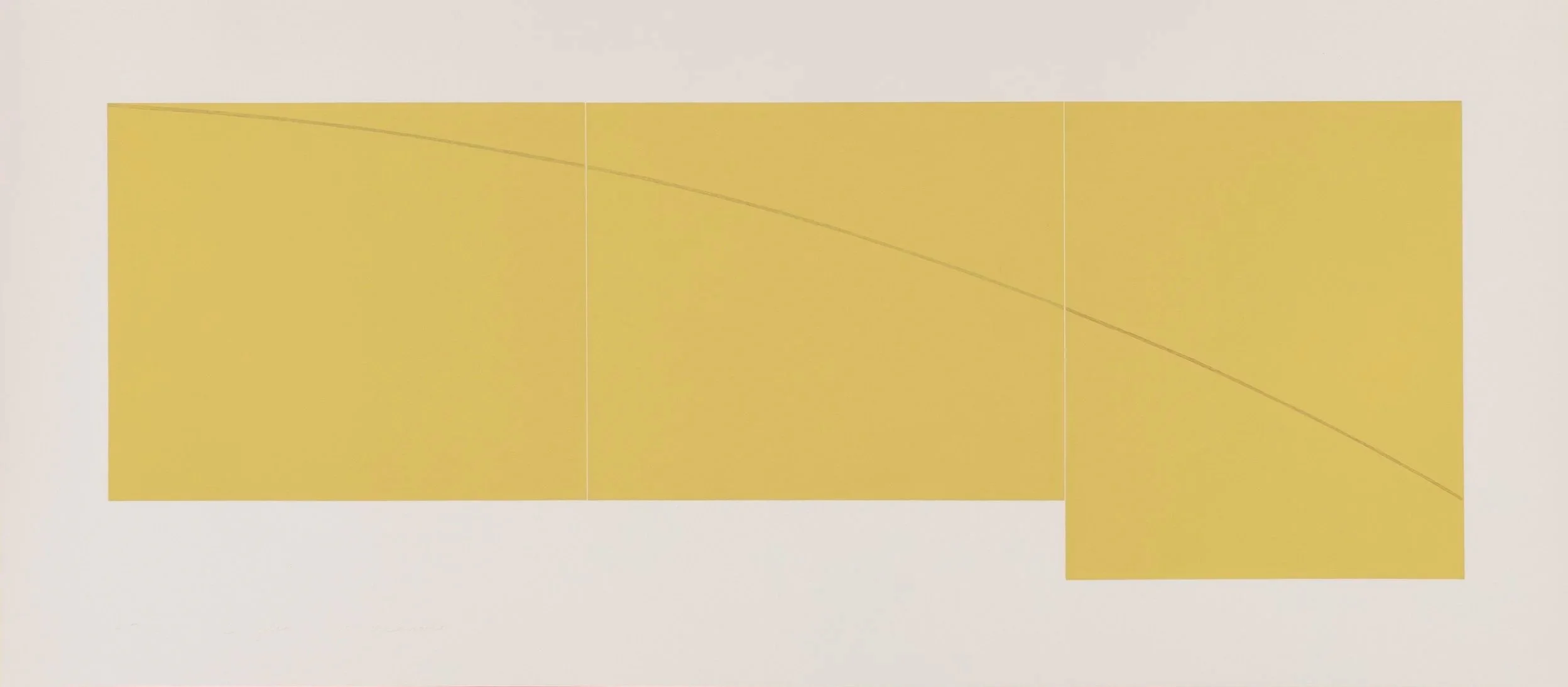
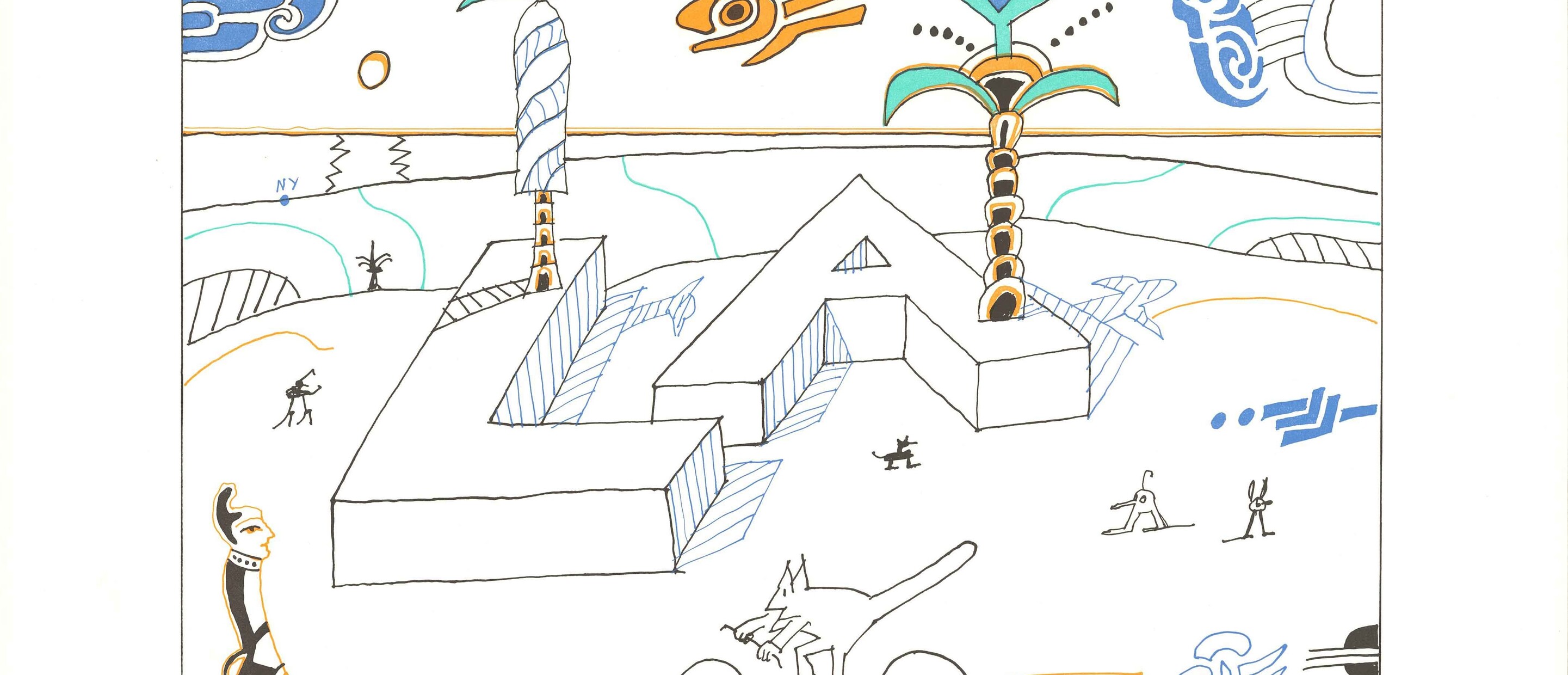
The work includes chop marks associated with Wayne, Tamstone Press and master printer William Law III, as well as a watermark made for Wayne by Rives. The Wayne example is identified as ‘Demented Tidal Wave II,’ a 1972 lithograph printed by William Law III and published by Tamstone Press.
Chop marks are used by collaborators such as printers and publishers to designate their work. The cataloguing effort was carried out as a team project, with student interns contributing to its success.