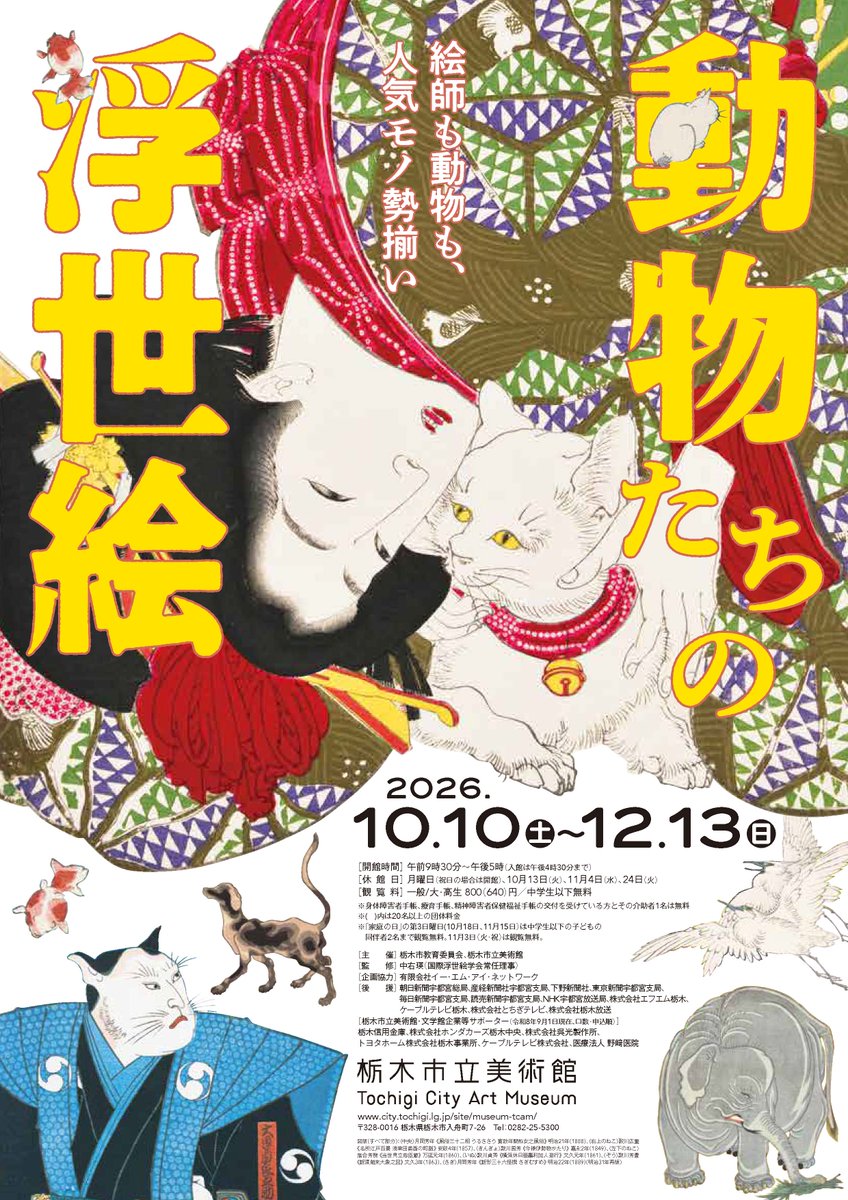
The Tochigi City Museum of Art in Tochigi Prefecture, Japan, is presenting an exhibition of animals in ukiyo-e in its Galleries A and B until 13 December 2026. Its Japanese title, 'Eshi mo dōbutsu mo, ninkimono seizoroi: dōbutsutachi no ukiyo-e', translates roughly as 'Popular artists and popular animals: ukiyo-e of animals'. The show is organised by the museum and the Tochigi City Board of Education.
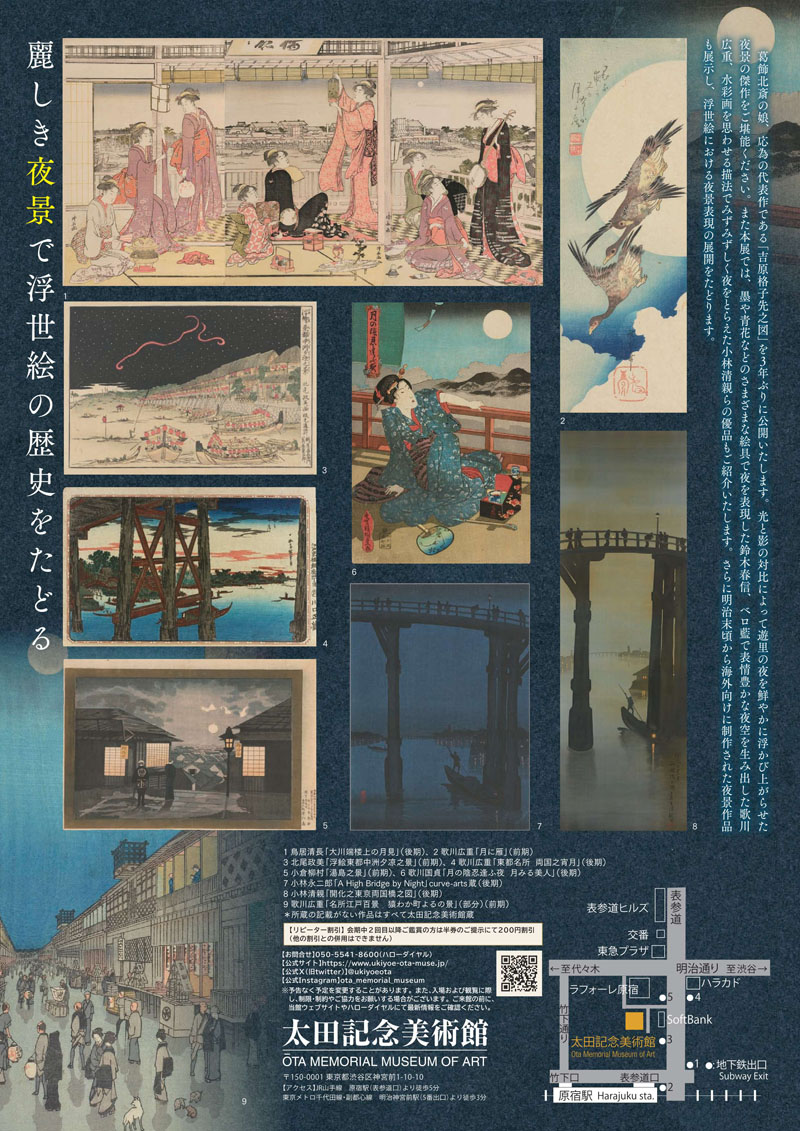
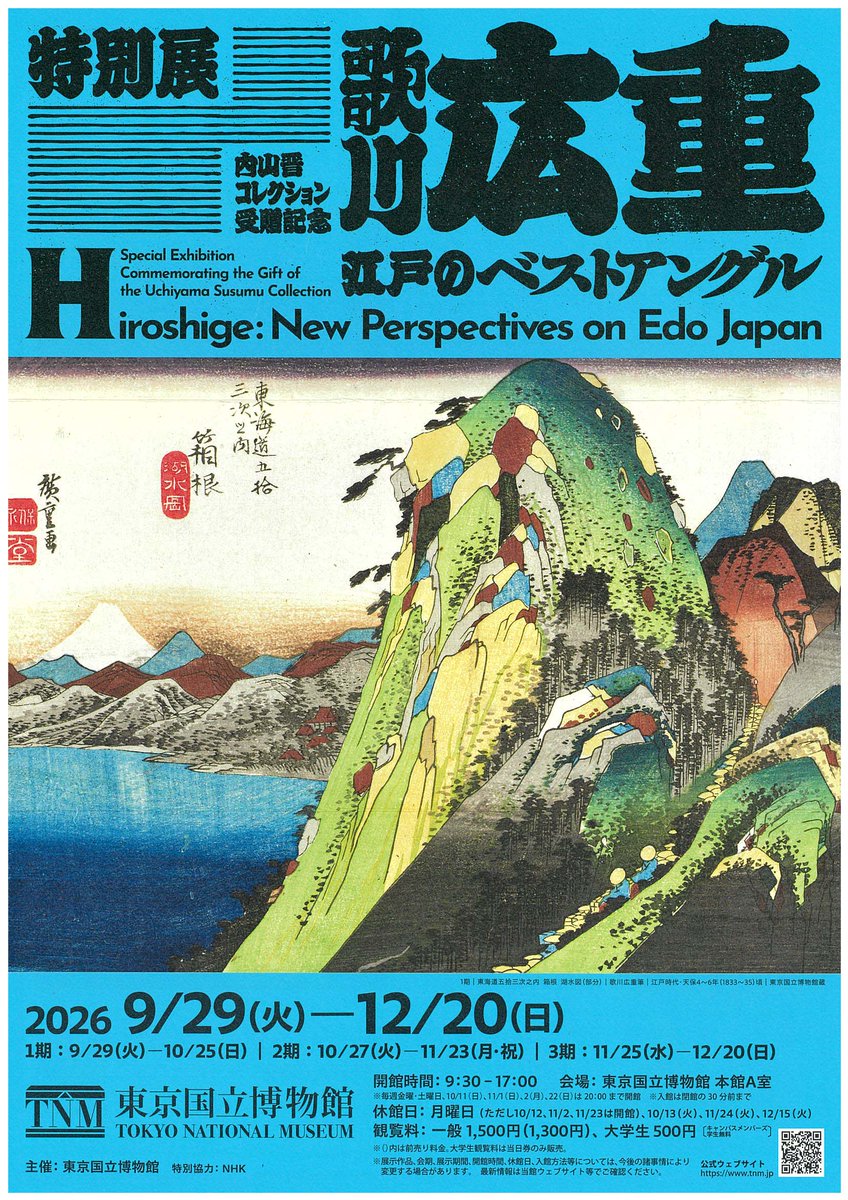
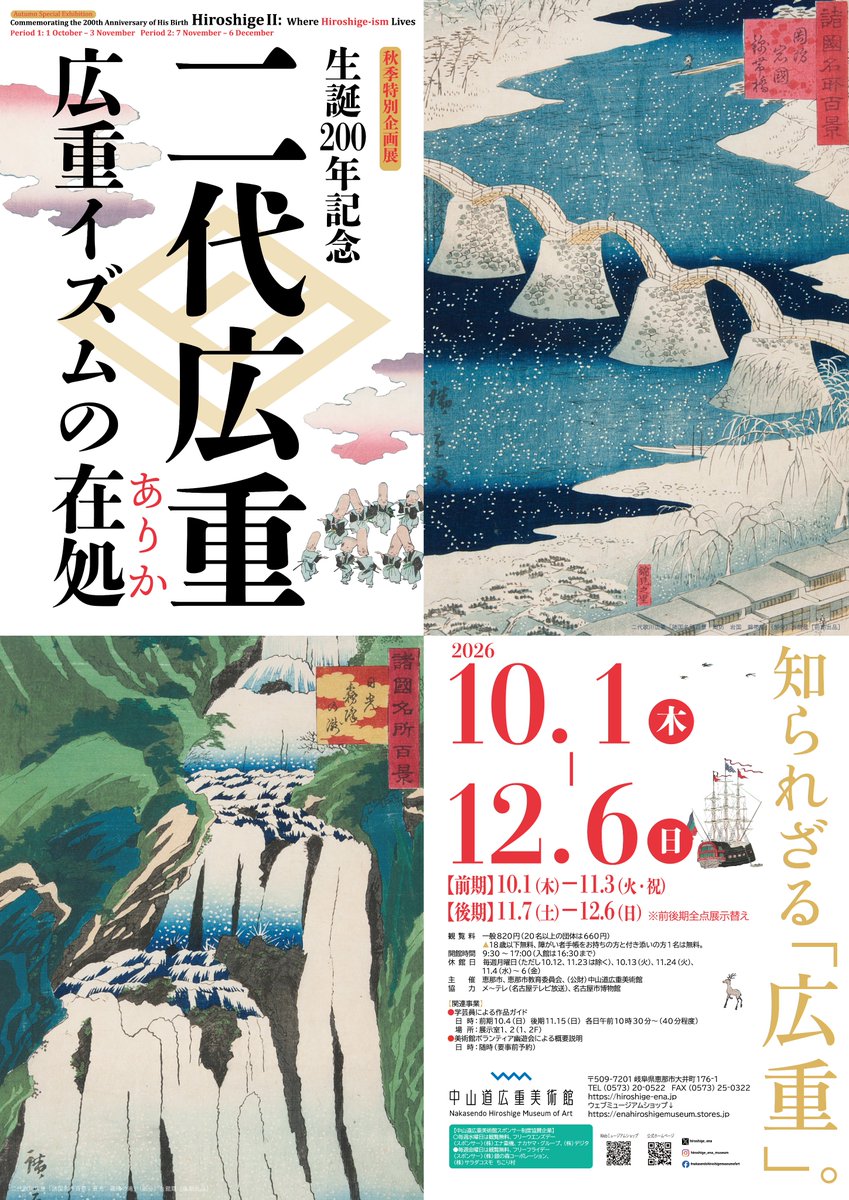
As the museum explains, ukiyo-e was enjoyed by a wide public from the Edo period to the Meiji era and took as its subjects whatever interested ordinary people, from kabuki actors to views of famous places. Animals appear throughout: sometimes as cute or comic figures, sometimes as vehicles for satire, and sometimes as a way of reporting events and the mood of the times. The exhibition gathers animals drawn by some of the best-known names in the genre, among them Suzuki Harunobu, Kitagawa Utamaro, Utagawa Hiroshige, Katsushika Hokusai and Utagawa Kuniyoshi.
Works highlighted by the museum include Hiroshige's 'Asakusa Rice Fields and the Torinomachi Festival' from 'One Hundred Famous Views of Edo' (1857), Utamaro's 'Summer' from the late Kansei period (1789–1801) and Ochiai Yoshiiku's 'Tōsei mitate Chūshingura' (1860), all from private collections.
A programme of events accompanies the exhibition, including curator's gallery talks on 10 October and 22 November, a workshop in which participants recreate poses from ukiyo-e prints through yoga, and a hands-on session in ukiyo-e printing. Local shops are also taking part in an Utamaro-themed promotion organised with the Utamaro Town Planning Council.