The Pushkin State Museum of Fine Arts in Moscow is showing ‘Gustave Fayet and Russian Collectors’ until 22 November 2026. Installed in Room 16 of the museum’s Gallery of European and American Art, the exhibition opened on 9 October and centres on a French collector whose choices left a lasting mark on Russian holdings of modern Western painting.
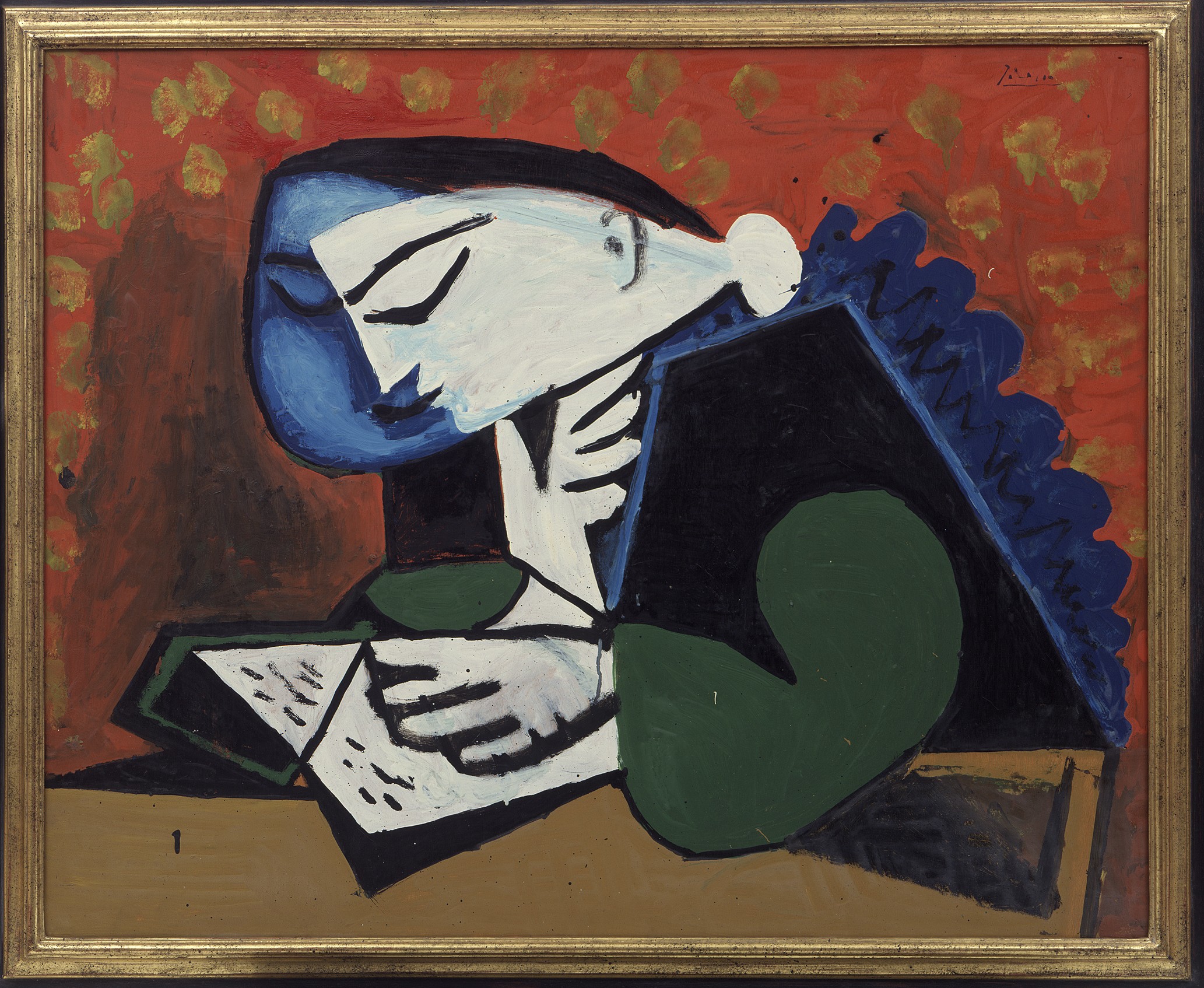
Gustave Fayet (1865–1925) was a collector, patron and artist in his own right. According to the museum, he assembled the largest collection of works by Paul Gauguin and was a key supporter of Odilon Redon, and his wider circle included Pierre Bonnard, Aristide Maillol and the Nabis. The museum also credits him with being the first to show Pablo Picasso’s work in France, at one of the exhibitions he organised in 1901. Fayet’s tastes, it argues, were closely bound up with the collections that the Moscow collectors Sergei Shchukin and Ivan Morozov were forming at the same time, and both men acquired works from him.
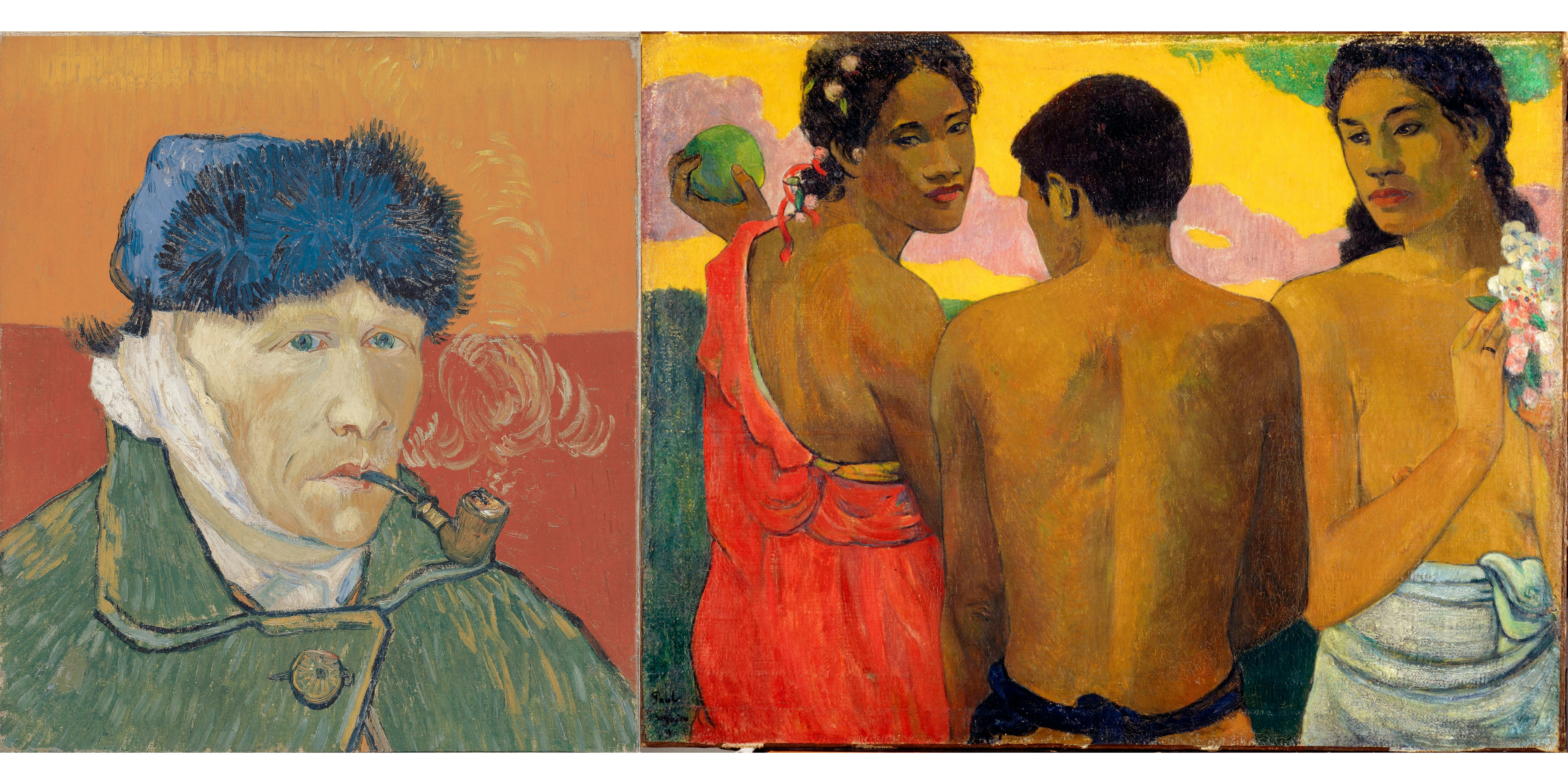
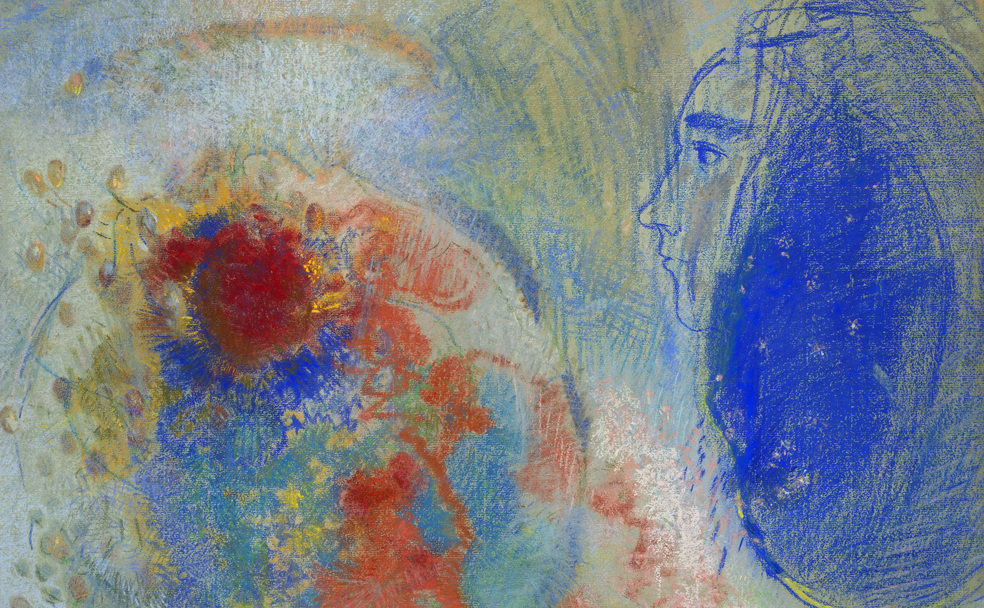
The exhibition sets out to reconstruct part of Fayet’s collection and the circle of friends and artists around him, and to evoke the intellectual salons of Paris and Moscow in the early twentieth century. Paintings by Gauguin now in Russian collections form its core, among them ‘The Queen’, a self-portrait, ‘The Ford’, ‘The Great Buddha’ and a still life with parrots. Redon is represented by the pastels ‘Night and Day’ and ‘Profile of a Woman in a Window’, together with prints from his series on haunted houses and ‘Les Fleurs du mal’.
Two loans come from the State Hermitage Museum: a still life by Henri Matisse of crockery and fruit on a red-and-black carpet, and Vincent van Gogh’s ‘Arena at Arles’, which the Hermitage is lending for the first time.
The exhibition was proposed by André-Marc Delocq-Fourcaud, Sergei Shchukin’s grandson, and is curated by Aleksey Petukhov, a leading researcher in the Pushkin Museum’s department of modern Western art. It continues a series of projects devoted to Shchukin and Morozov in 2016–17 and 2021–22, and coincides with a new chapter of the ‘Icons of Modern Art’ series at the Fondation Louis Vuitton in Paris that focuses on Fayet. A catalogue with texts by Petukhov, Delocq-Fourcaud and the historian of collecting Natalia Semenova accompanies the show.