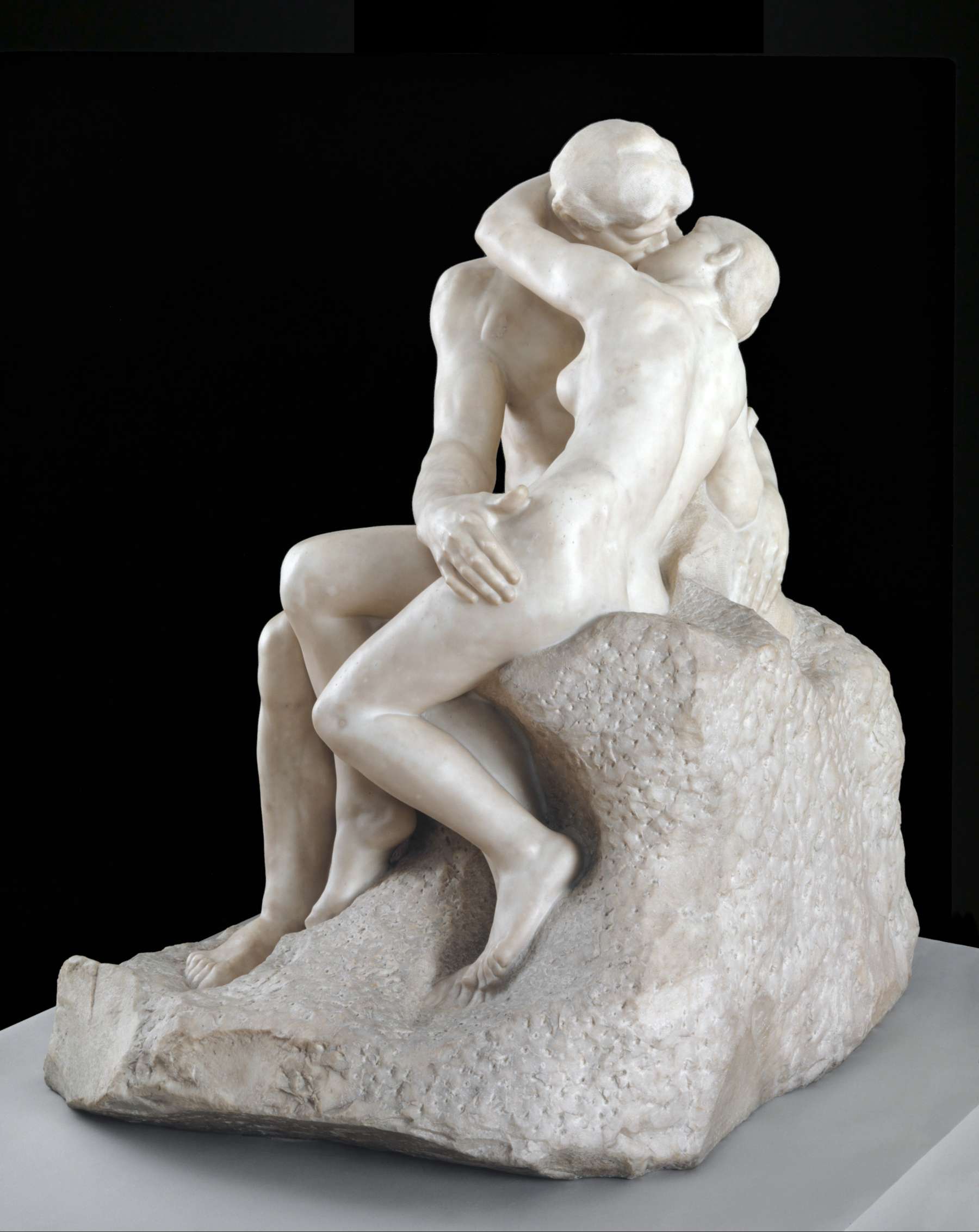
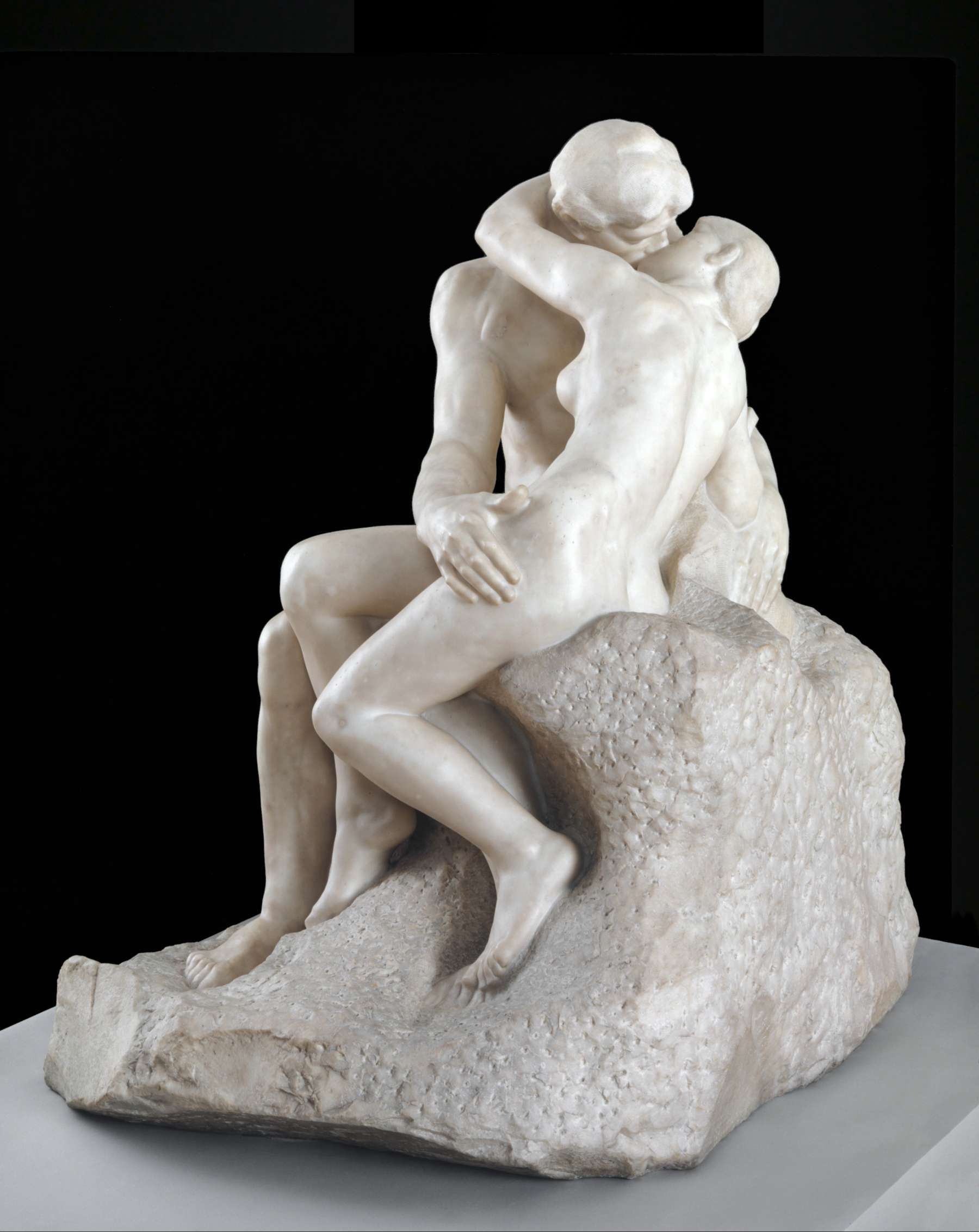
 Image: Auguste Rodin, The Kiss, 1901–4. Courtesy: Tate
The Sainsbury Centre at the University of East Anglia in Norwich will open ‘The Last Human Kiss’ on 13 November 2026. Running until 11 April 2027, the exhibition belongs to the centre’s ‘How Do We Find Love?’ season and is curated by John Kenneth Paranada, formerly the Sainsbury Centre’s curator of art and climate change.
The starting point is a simple question about a familiar gesture. Rather than treating the kiss as pure instinct, the exhibition approaches it as something cultures have shaped and reshaped over time. According to the centre, it follows how kissing has been used to signal desire, power, vulnerability and devotion, moving from early representations of human couples to the ways people express affection in the digital age, and asks what the gesture tells us about the social and often contradictory character of human life.
The show is arranged in five chapters: The First Kiss, The Social Kiss, The Divine Kiss, The Romantic Kiss and The Trickster Kiss. Historical works anchor the selection. Auguste Rodin’s ‘The Kiss’ (1901–4) comes on loan from Tate, while from the Sainsbury Centre’s own holdings a brass goldweight from Ghana, made between about 1700 and 1899 and depicting a human couple, represents a much older and very different tradition; it was donated by Robert and Lisa Sainsbury in 1973.
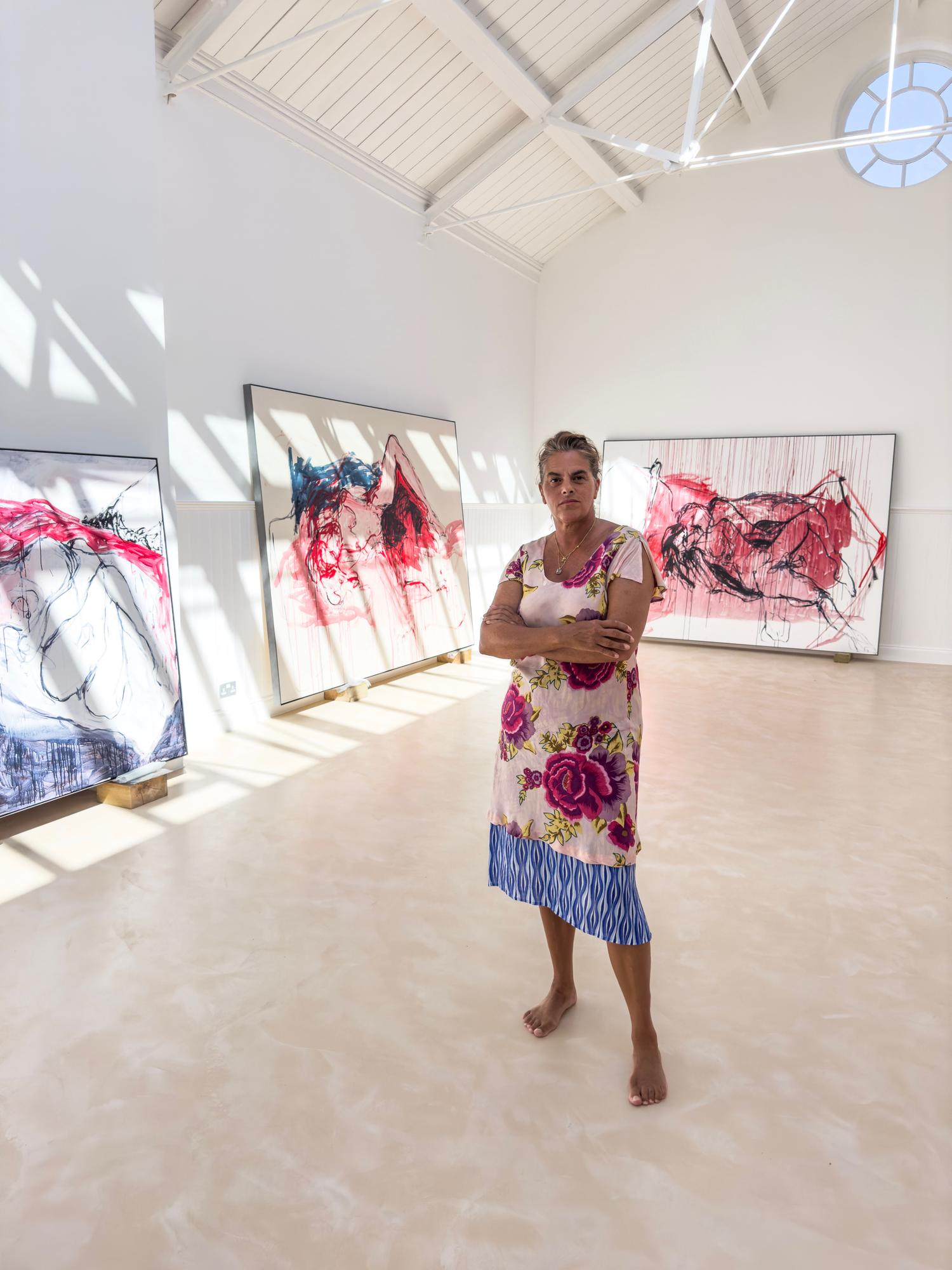
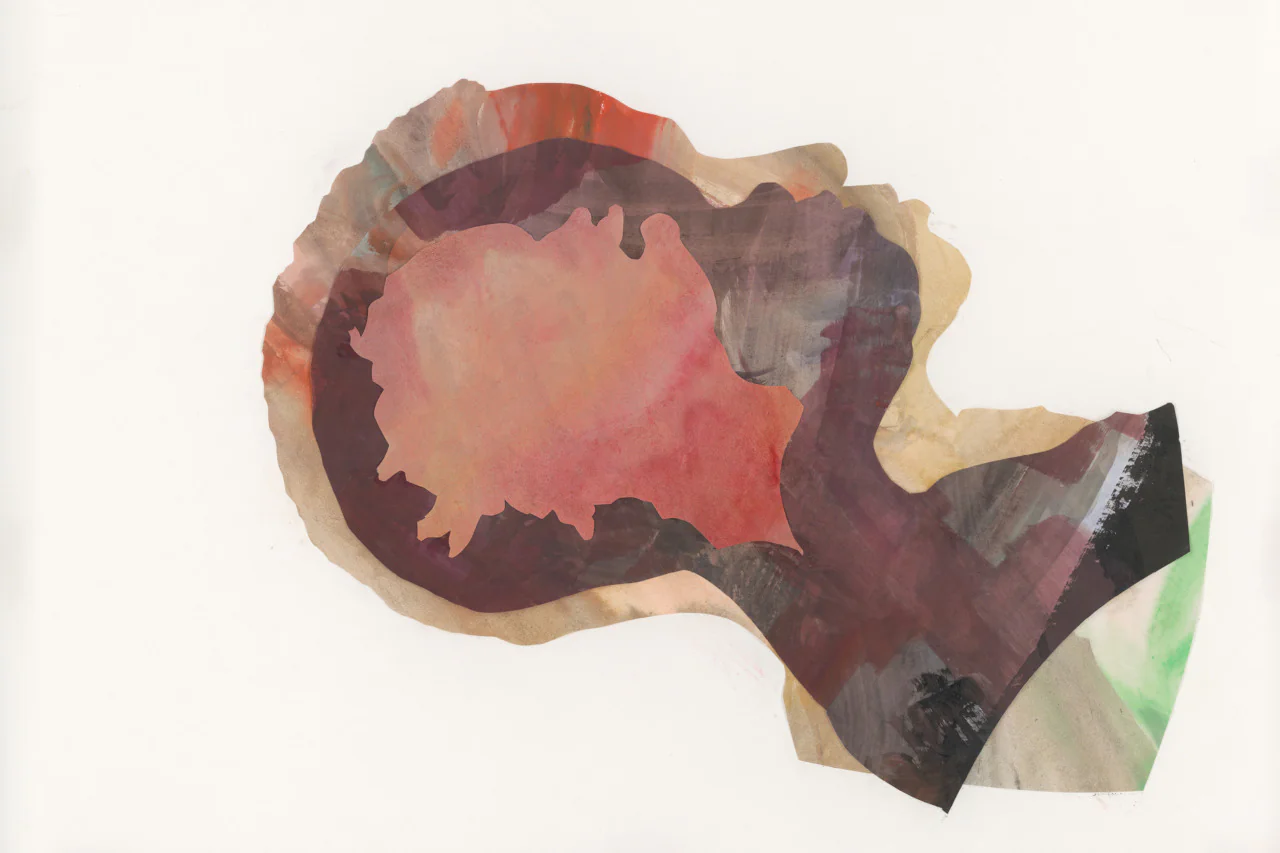
Alongside them are contemporary artists including Tracey Emin, Wolfgang Tillmans, Sally Mann, Sonia Boyce, Shilpa Gupta, Patty Chang, Dorothy Cross, Ty Locke, Sophie Barber, Oliver Beer and Zheng Bo. Three artists contribute work made for the occasion: Ṣọlá Olúlòde and Paula Turmina present new pieces, and Benjamin Spiers has produced a painting specifically for the exhibition.
Entry is through the Sainsbury Centre’s Universal Ticket, which covers the whole building on a pay-if-and-what-you-can basis and does not require advance booking.