 Image: Museo d'arte contemporanea del castello di Rivoli, Turin
Castello di Rivoli Museo d’Arte Contemporanea is presenting 'Cecilia Vicuña: El glaciar ido (The vanished glacier / Il ghiacciaio scomparso)', the artist’s first solo exhibition in an Italian museum. Curated by Marcella Beccaria, the exhibition runs from 29 April to 20 September 2026 in the Manica Lunga, third floor, and is built around a new commission designed specifically for the museum’s long, linear spaces.
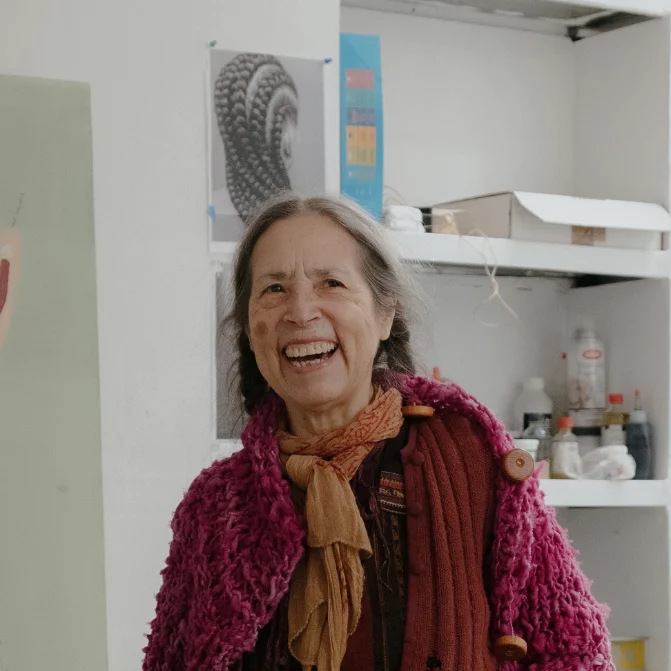
The exhibition frames Vicuña as an artist, poet and activist whose practice combines performance, poetry, drawing, painting, video and installations of both intimate and monumental scale. Born in Santiago de Chile in 1948 and based in New York, she has developed what the museum describes as a feminist and ecological approach focused on democracy, freedom of expression, and decolonial practices linked to the cultural heritage of Indigenous peoples. The museum also notes that precariousness has informed her work since the 1960s, when she coined the term 'Arte Precario'.
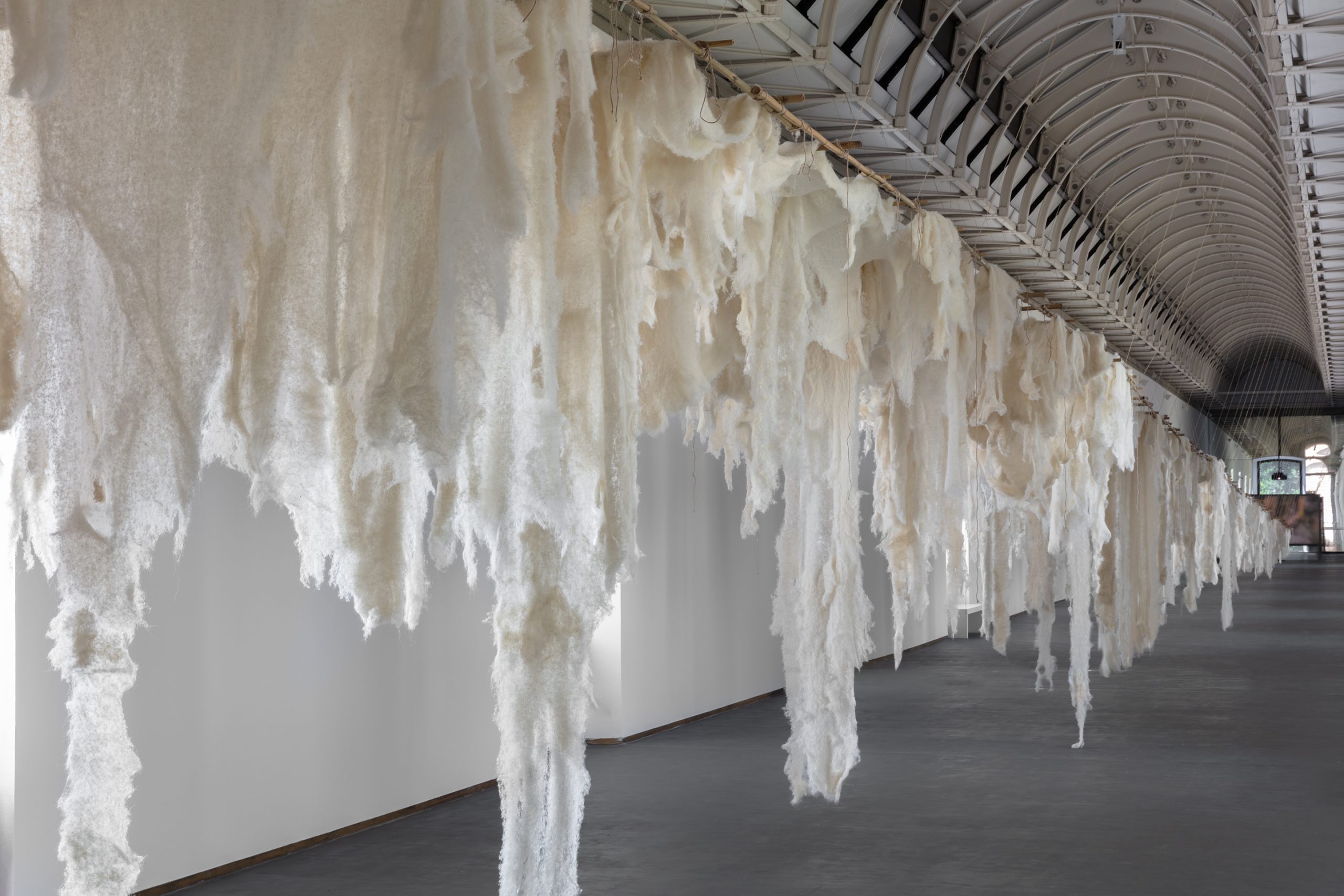
At the centre of the project is 'El glaciar ido', a new quipu installed for the Manica Lunga. Vicuña’s contemporary quipus reference the knotted cord systems used by ancient Andean cultures and later by the Inca as records of information. In this case, the work is conceived as a horizontal suspended installation at multiple heights, using raw wool to build aerial structures that traverse space and time. The museum says the piece evokes transience, the passage of time, the movement of natural elements such as ice, water and wind, and the impact of human presence on the environment.
The exhibition is also closely tied to place. According to the museum, the quipu’s relationship to water is linked to the memory of ancient glaciers that once shaped the Susa Valley landscape near the castle. The project further reflects on what disappears, including references in Beccaria’s curatorial statement to the desaparecidos and to people silenced or eliminated by repressive governments. The exhibition is accompanied by a new publication, described as the first focused on Vicuña’s long research on glaciers.
Alongside the main installation, the exhibition includes video works and newly written wall poems, underscoring the importance of sound and language in Vicuña’s practice. The museum says the artist’s poems, presented as 'poemi a muro', were composed specifically for this exhibition. The overall presentation combines ecological, historical and poetic threads without separating them into distinct strands.
Castello di Rivoli also says the making of the show involved local participation. Community members took part in walks and collected small residual materials from the banks of nearby watercourses and basins, including the Dora Riparia river and the lakes of Avigliana. Through a workshop with the Accademia Albertina di Belle Arti di Torino, those materials became an ephemeral outdoor installation created by a group of students and entrusted to their creativity by the artist.
The museum presents the exhibition as an important return for Vicuña: it says Castello di Rivoli first showed her work in Italy in 2000, in the group exhibition 'Quotidiana'. A guided tour of 'Cecilia Vicuña: El glaciar ido (The vanished glacier / Il ghiacciaio scomparso)' is scheduled for 4 July 2026 at 14:00, organized by the museum’s education department.