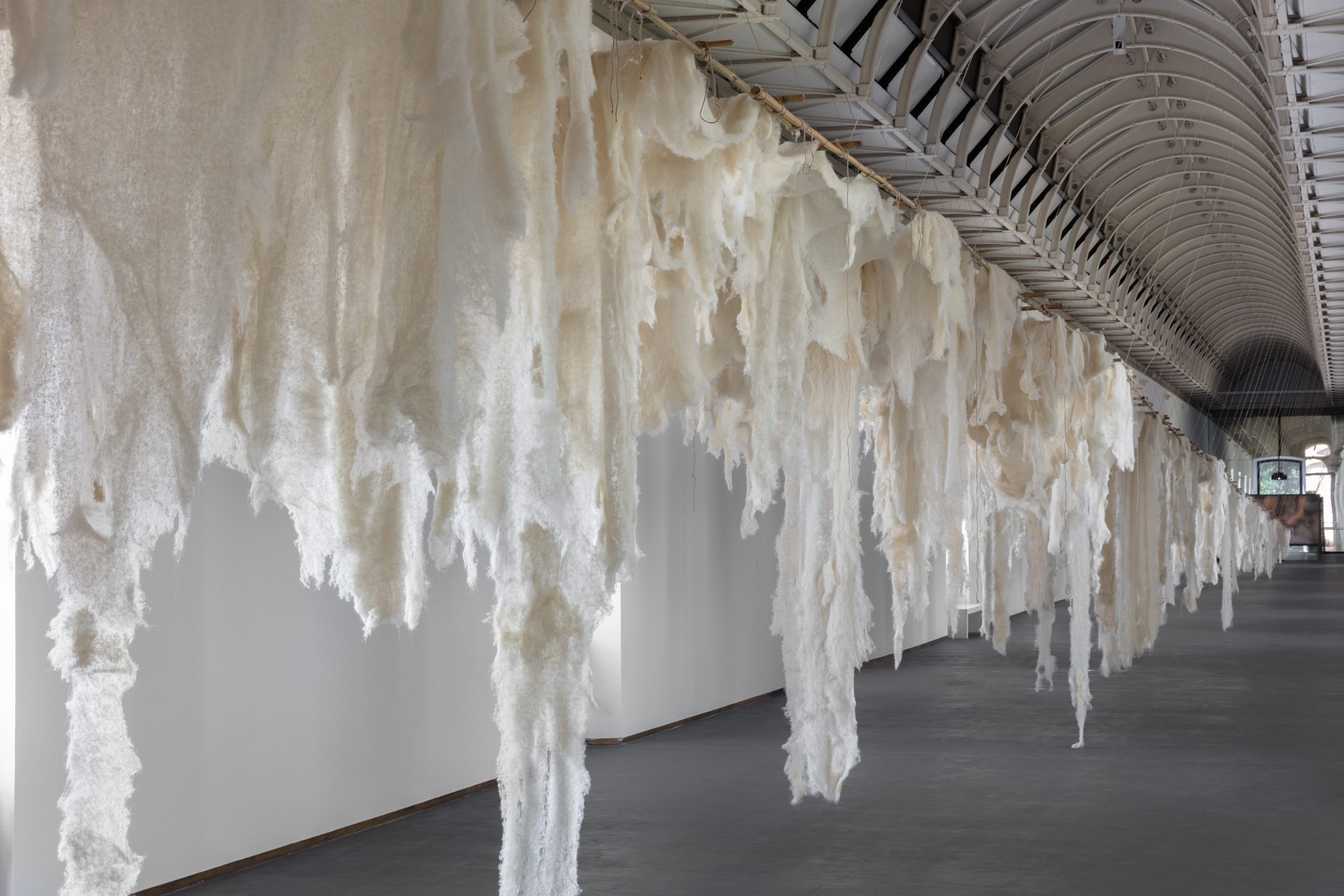
 Image: Castello di Rivoli
Castello di Rivoli Museo d’Arte Contemporanea is presenting ‘Cecilia Vicuña: El glaciar ido (The vanished glacier / Il ghiacciaio scomparso)’, the Chilean artist’s first solo exhibition in an Italian museum. Curated by Marcella Beccaria, the exhibition is on view in the Manica Lunga, on the third floor of the museum, from 29 April through 20 September 2026.
The central work is a new commission created specifically for the long, linear architecture of the Manica Lunga. Vicuña has conceived ‘El glaciar ido’ as a horizontal, suspended ‘quipu acostado’, or a quipu laid down and stretched through the space at varying heights. The installation uses raw, unprocessed wool assembled into an aerial structure that evokes the movement of ice, water and wind, as well as the passage of time and the effects of human presence on the environment.
Quipus—cords with knots used by ancient Andean civilizations and later extensively by the Inca—served to record information, including administrative, astronomical, historical and narrative data. Vicuña’s contemporary quipus draw directly on this tradition while transforming it into environmental installations that connect people, places and memory. At Rivoli, the work’s relationship with water refers to ancient glaciers that once dominated the landscape of the Susa Valley, where the museum is located.
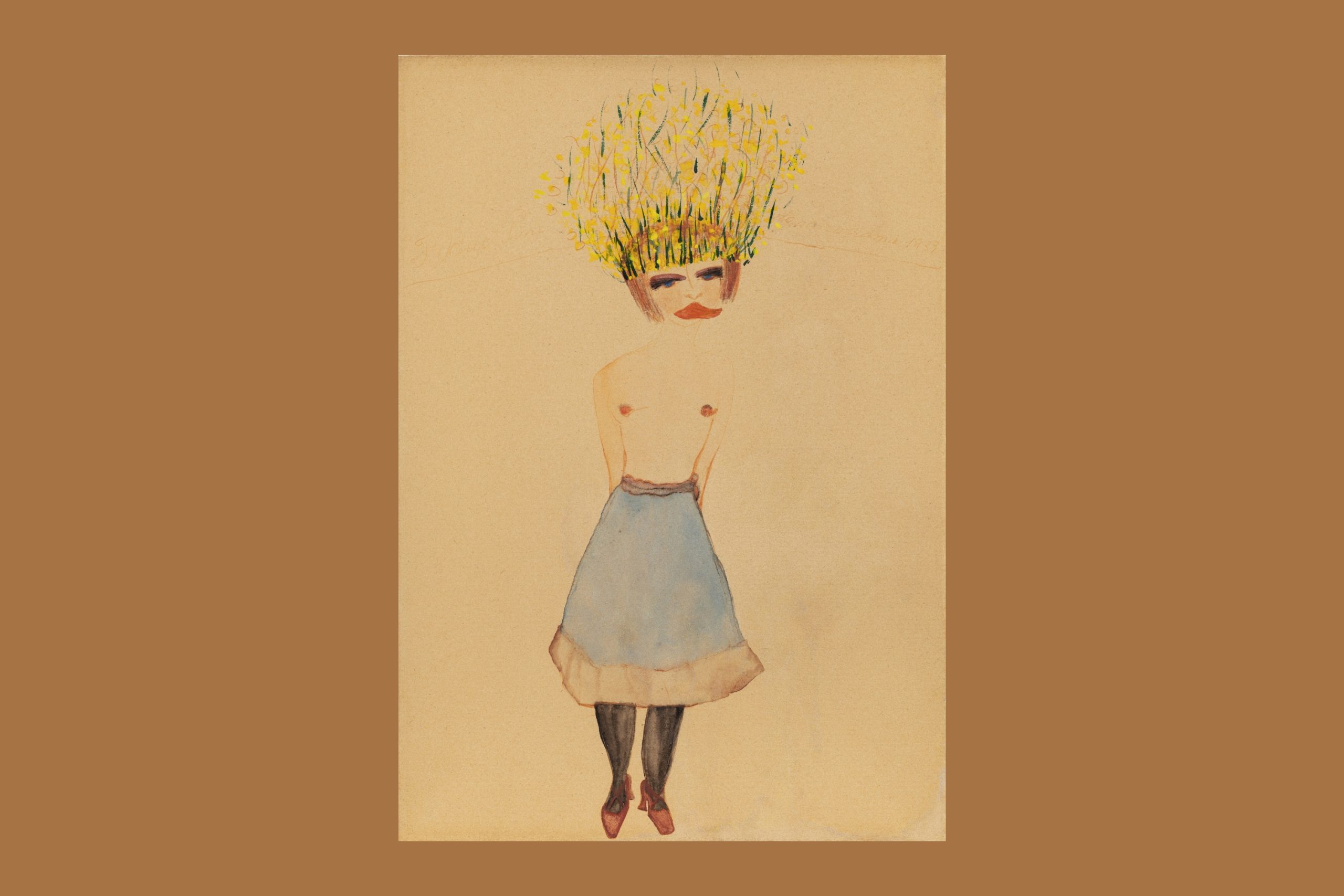
Born in Santiago de Chile in 1948 and now based in New York, Vicuña works across performance, poetry, drawing, painting, video and installation. Her practice has been shaped by the concept of precariousness; since the 1960s, she has described her approach as ‘Arte Precario’. Her works are often temporary and participatory, made from found materials and small fragments gathered in dialogue with particular places and communities. The museum describes her broader practice as engaging with democracy, freedom of expression, decolonial practices and the protection of Indigenous cultural heritage.
Alongside the new commission, the exhibition includes video works and new poems presented as ‘wall poems’. Images, sounds and songs—elements that have formed part of Vicuña’s work since its early stages—extend the exhibition’s meditation on ecological change, disappearance and remembrance. A new publication accompanying the exhibition is described by the museum as the first to focus on the artist’s long-running research into glaciers.
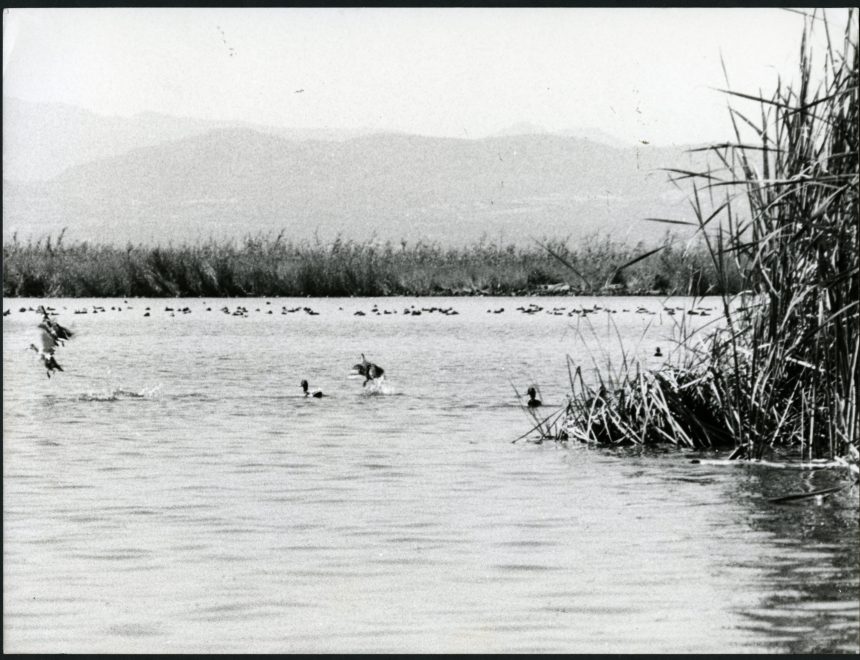
The exhibition’s preparation included collective walks and the gathering of residual materials from the banks of nearby waterways, including the Dora Riparia river and the Avigliana lakes. In a workshop conducted with the Accademia Albertina di Belle Arti di Torino, the materials were made into an ephemeral outdoor installation by a group of students. The project is supported by the City of Rivoli, the City of Avigliana, the management authority for the protected areas of the Cozie Alps and the Accademia Albertina.
Public programming continues in September. The museum’s Education Department will lead a free guided visit for Abbonamento Musei holders on 9 September from 3 to 4pm. On 10 September, from 4 to 6pm, Beccaria will speak with glaciologists Marta Chiarle and Marco Giardino in the Manica Lunga, in collaboration with the Italian Glaciological Committee. The programme begins with a guided visit and addresses glacial and periglacial environments, climate-driven transformations, and related risks and resources. Vicuña’s exhibition remains on view at Castello di Rivoli until 20 September 2026.