 Image: KW Institute for Contemporary Art, Berlin
The Kyiv Biennial has opened a Berlin chapter at KW Institute for Contemporary Art with 'A Bird That Cannot Land', a large-scale exhibition and live-and-discursive program running from 11 June to 13 September 2026. KW describes the project as a nomadic, international biennial format that interweaves artistic, political and social questions, with the Berlin presentation extending across the building and adding sound, performances and exchange to the exhibition format.
The institution’s own presentation frames the chapter around shifting political realities and the idea of a “Middle-East-Europe” shaped by histories of conflict, colonialism and imperialism. KW says the exhibition links postsoviet Eastern Europe with Central and Southwest Asia and the Mediterranean region, and asks how meaning, belonging and shared experience are negotiated amid war, uncertainty and estrangement. The biennial’s text also states that it treats inner and outer exile as a central condition of contemporary life.
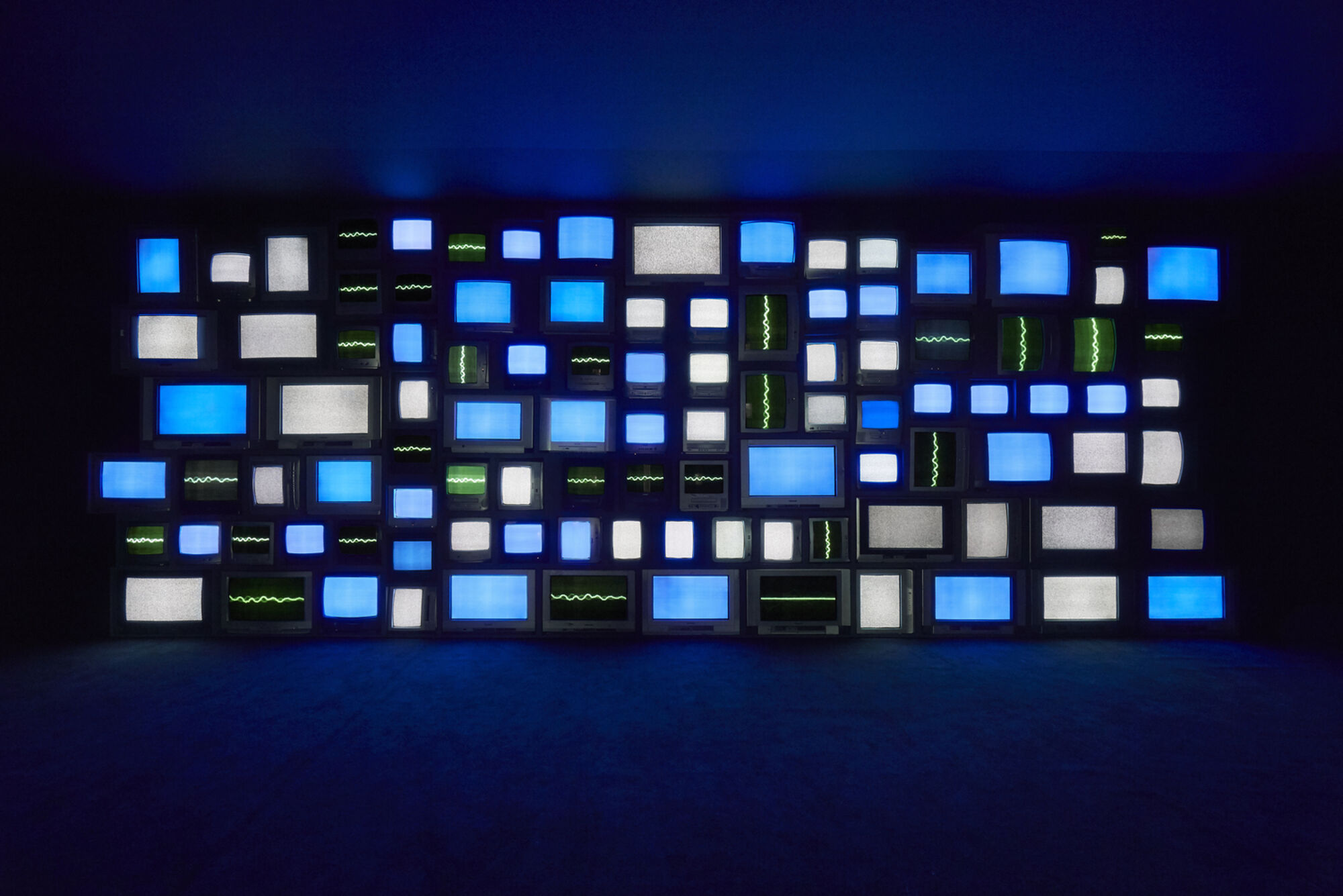
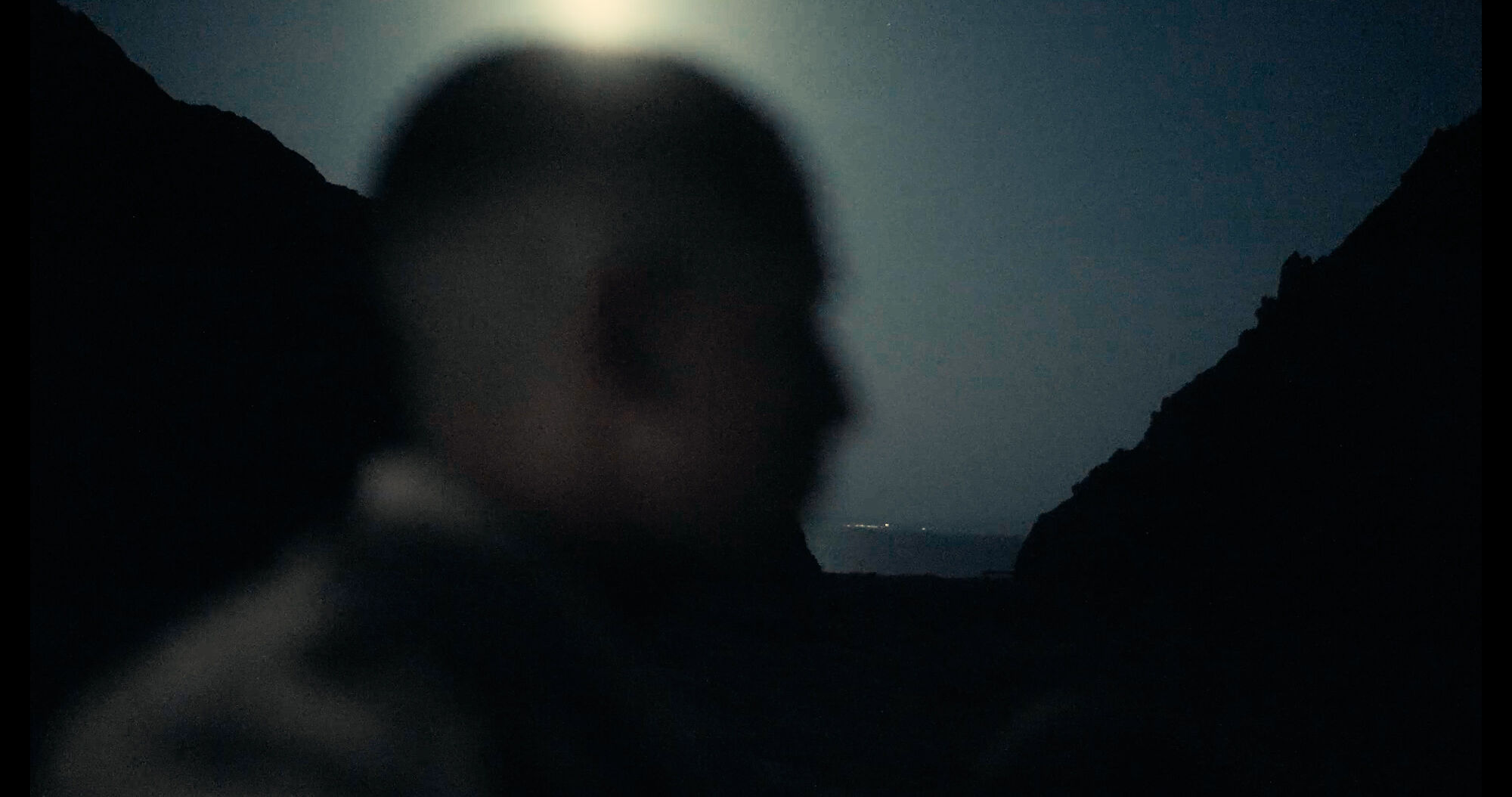
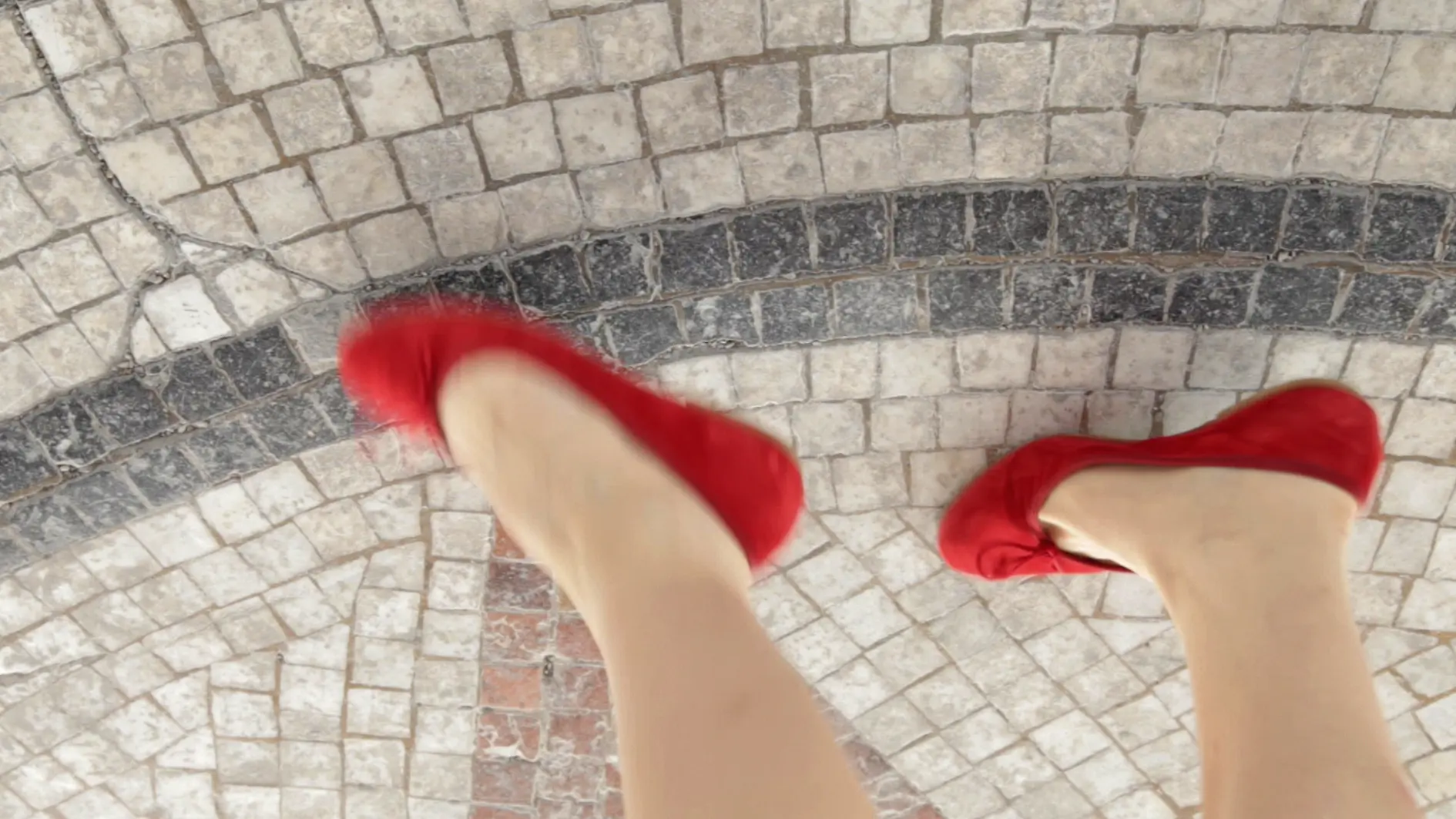
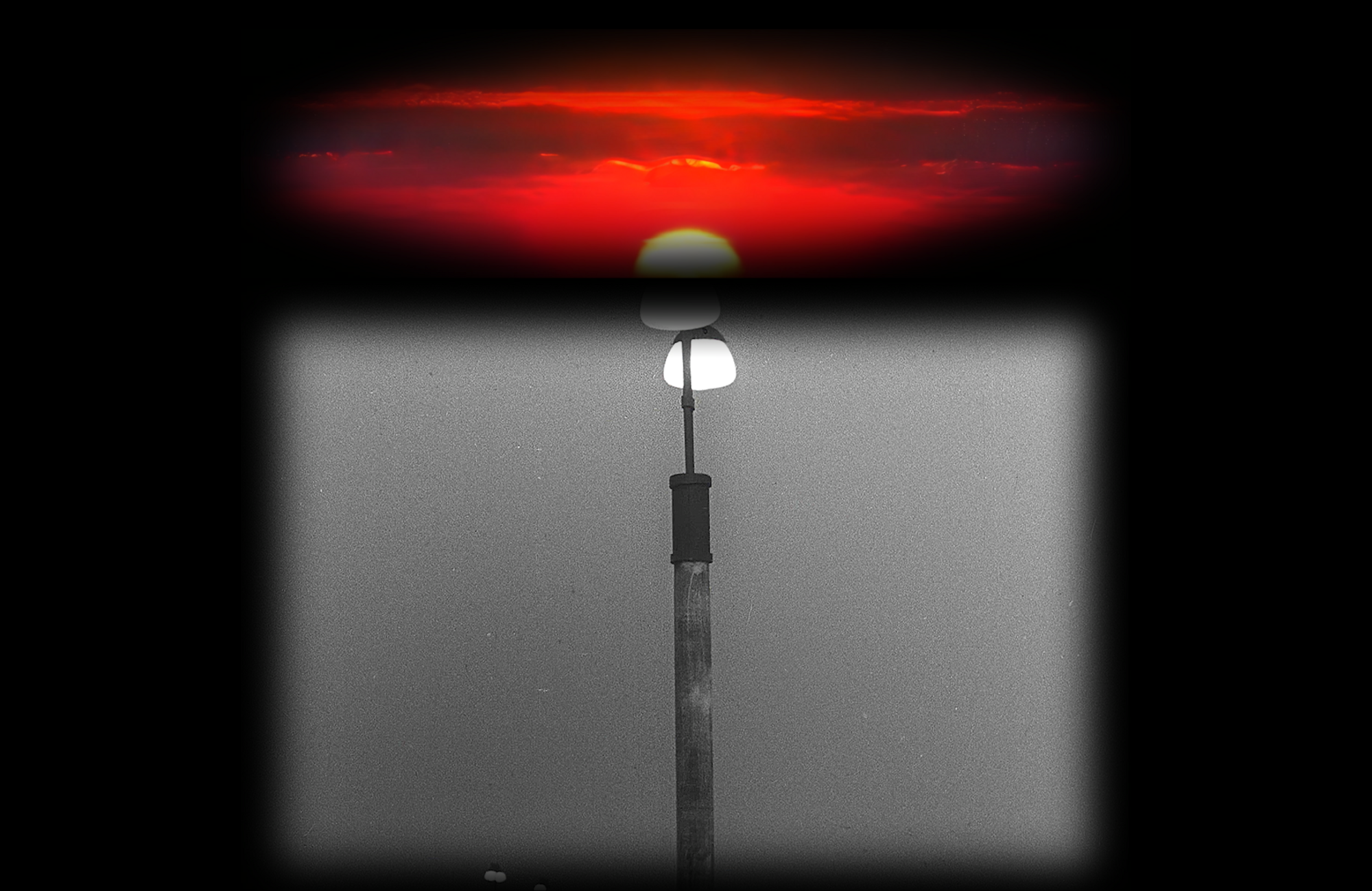
More than 40 international voices from Berlin and elsewhere are represented in the project, according to KW. The exhibition includes works by artists and participants across generations, with installations and moving-image pieces shown in relation to the wider conceptual framework of the biennial. Among the named contributors listed by KW are Lesia Vasylchenko, Saodat Ismailova, Geta Brătescu, Dana Kavelina, Lida Abdul, Flaka Haliti, Mona Hatoum, Assaf Gruber, Hito Steyerl, Oleksiy Radynski, Gulnur Mukazhanova, Joyce Joumaa, Samia Halaby, Neda Saeedi, Stefaniia Bodnia and Jack Dove, and Aykan Safoğlu.
The live program is central to the Berlin chapter. KW says it unfolds through varied formats and connects Berlin’s diasporic communities with translocal artistic practices. A concert week in the main hall ran from 8 to 11 July 2026, with concerts and performances presented as a double-bill structure on some evenings. The program included 'Гільдеґарда (Hildegard)' by Heinali and Andriana-Yaroslava Saienko; 'The evens, Rahma' by Abdullah Miniawy; 'Beirut Birds (طيور بيروت)' by Nour Sokhon; a concert by Wafaa Saied; 'SPOMYN' by Katarina Gryvul; a concert by Ihor Tsymbrovsky; and 'A LETTER TO EUROPE' by Nazanin Noori.
KW’s July newsletter and event pages also highlight other public programs tied to the biennial. On 16 July, 'Free Thursday' offers free admission to the exhibition from 16:00 to 21:00, with a curator’s tour at 17:00 and an open rehearsal by Seyyare – Anatolian Women’s Choir later that evening. KW describes Seyyare as a 20-member choir made up of women with migration and exile experience, founded and led by Sema Moritz, and working with song traditions from Anatolia, the Balkans, the Caucasus and southwest Asia. The choir’s open rehearsal is part of a residency at KW during the biennial.
The discursive strand, meanwhile, is set to address topics including migration, exclusion, coexistence, extractivism and petrocapitalism, according to KW’s exhibition text. The institution says the biennial in Berlin builds on the Kyiv Biennial’s 2025 editions across Europe and continues those earlier themes in a new setting. The project is produced in collaboration with the Visual Culture Research Center and runs at KW Institute for Contemporary Art, Auguststraße 69, Berlin, through 13 September 2026.