 Image: Thyssen-Bornemisza Museum, Madrid
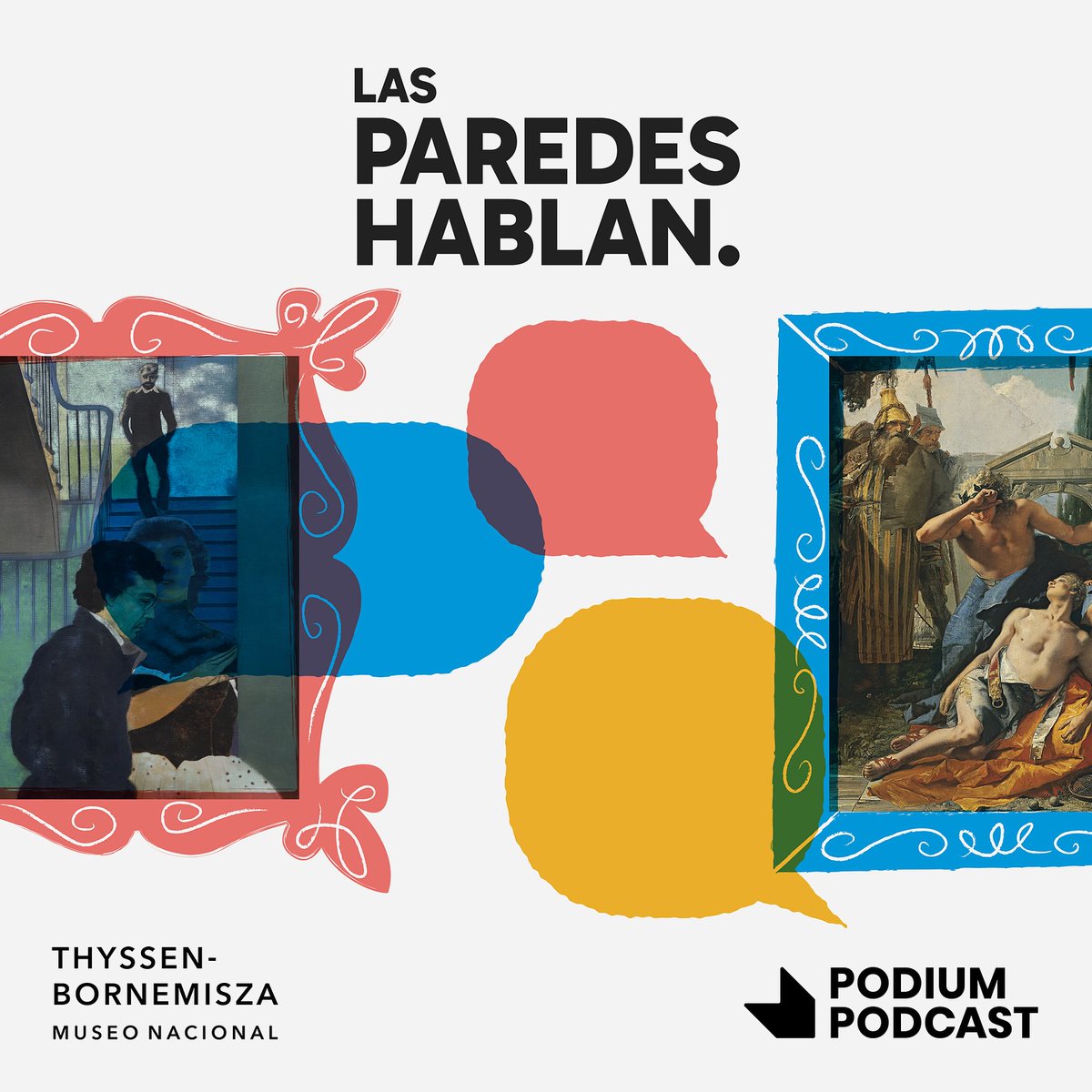
The Thyssen-Bornemisza Museum has highlighted a Pride-season episode from its video series 'Las Paredes Hablan', focusing on how LGBTQ+ identities were represented in art across different historical periods. In a post published on June 30, 2026, the museum said it was recovering episode six of the series for Pride celebrations, with the installment asking how life was for an LGTBIQ+ person at the start of the 20th century and in the 18th century.
The museum’s message frames the episode as a look at the visual language used to depict these identities in art in both eras. Rather than centering on a single work or exhibition, the post points to a broader interpretive project: using 'Las Paredes Hablan' to examine how historical art can reveal traces of queer experience, visibility and representation. The museum did not include additional details about specific objects, artists or venues in the post.
'Las Paredes Hablan' appears to be part of the museum’s public-facing digital content, offering short-form interpretive material around themes and artworks. In this case, the emphasis is on historical representation rather than on a new exhibition announcement. By revisiting an earlier episode during Pride, the museum is drawing attention to the ways museums can use their collections and educational programming to revisit questions of identity in art history.
The wording of the post places the discussion across two time frames: the 18th century and the early 20th century. That span suggests a comparison between different cultural and social contexts, and the museum’s phrasing indicates that the episode looks at how these identities were represented in art in both periods. No further commentary was provided in the source text about the episode’s format, length or the specific works discussed.
The museum’s reference to Pride situates the episode within a broader month of LGBTQ+ visibility and public programming, but the source material remains focused on the episode itself. It does not announce a live event, exhibition opening or lecture tied to the post. Instead, the museum is surfacing a previous installment of its series as part of its Pride-related communications.
The post was published in Spanish and asks, in translation, what life was like for an LGTBIQ+ person at the beginning of the 20th century and in the 18th century, before stating that the episode reveals how these identities were represented in art in both stages.