 Image: Dayton Art Institute
‘Looking for Japan: Early Japanese Photography’ is on view at the Dayton Art Institute from September 5 through November 29, 2026, in Gallery 117. Part of the 2026 FotoFocus Biennial, the exhibition examines how Japan’s Meiji-era transformation was represented, including through images made for a newly established tourist trade and photographs that were packaged for, and influenced by, Western audiences.
The Meiji period, from 1868 to 1912, encompassed political and social upheaval as traditional institutions gave way and aspects of Japanese culture underwent Westernization. The exhibition approaches those changes through personal and private images as well as photographs connected to tourism, foregrounding beliefs, traditions and practices within Japan.
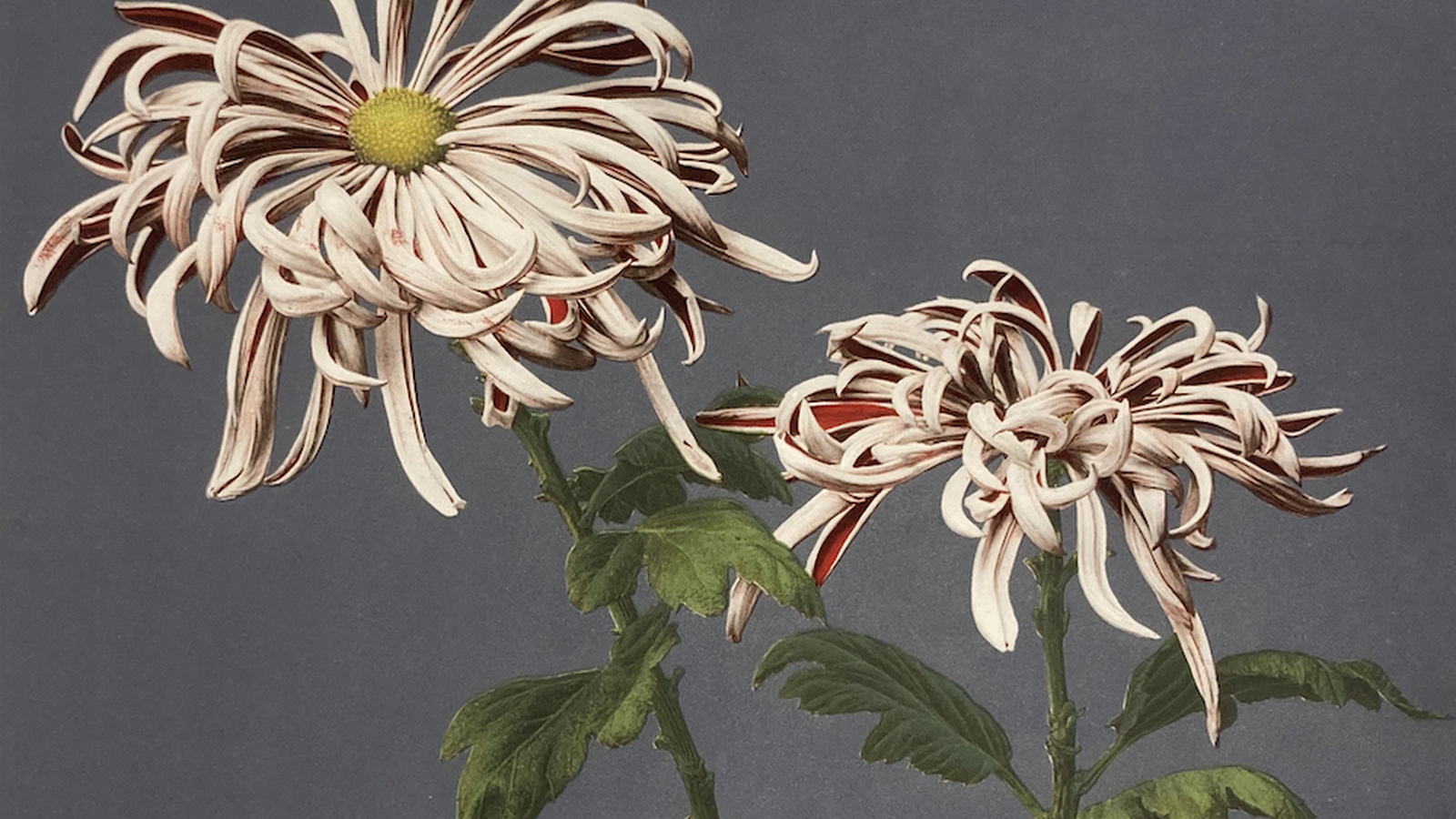
Its objects range from single photographs and postcards to albums, albumen travel photographs and hanging-scroll collotypes. The exhibition spotlights hand-colored prints showing landscapes, cities and portraits, with subjects that include historical Japanese architecture, hairstyles, clothing, weapons and tattoos. Together, these categories identify the kinds of people, places and traditions recorded in photographs during a period of rapid change.
One named work is the anonymous Japanese photograph ‘Sorihashi Bridge, Sumiyoshi Taisha Shrine, Osaka’, made about 1875 as a hand-tinted albumen print. The exhibition also includes highly personal and sometimes provocative images, which the museum presents as a focal point for considering history, culture and societal change.
The exhibition’s description gives particular attention to the ways photographs could address beliefs, traditions and practices within Japan while also being packaged for Western audiences. Images made for the tourist trade add another dimension to that history of representation. The museum describes these themes as current and resonant more than a century later, making the exhibition a reflection on how culture and identity continue to be seen through photographs.
‘Looking for Japan’ is part of the 2026 FotoFocus Biennial, ‘The Long View’. The biennial theme considers time and perspective in photography and film, and how those mediums shape understanding of the world. Support for the exhibition was provided in part by FotoFocus.