 Image: Richard Saltoun Gallery, London
Richard Saltoun Gallery will open ‘Cossette Zeno: San Juan to Paris’ in New York on 10 September, bringing together works from the formative years of the Puerto Rican Surrealist artist. Curated by José Correa-Vigier, Zeno’s biographer, the exhibition will run through 30 October at the gallery’s New York location, 19 East 66th Street. A private view is scheduled for 6–8pm on the opening day.
The exhibition is dedicated to a five-year period in which Zeno moved from avant-garde circles in Puerto Rico to post-war Paris and the orbit of André Breton’s Surrealist movement. According to the gallery, it will reunite works from this period for the first time in North America, examining the artist’s emergence within transnational networks linking Caribbean modernism and European Surrealism.
Born in Santo Domingo in 1930 and raised in Old San Juan, Zeno began her artistic training at the University of Puerto Rico in 1950. There she studied under Eugenio Fernández Granell, a Spanish Surrealist artist and intellectual who had arrived in the Caribbean following political exile. The gallery states that Granell encouraged Zeno to move beyond academic convention and introduced her to the experimental possibilities of modernism and Surrealism.
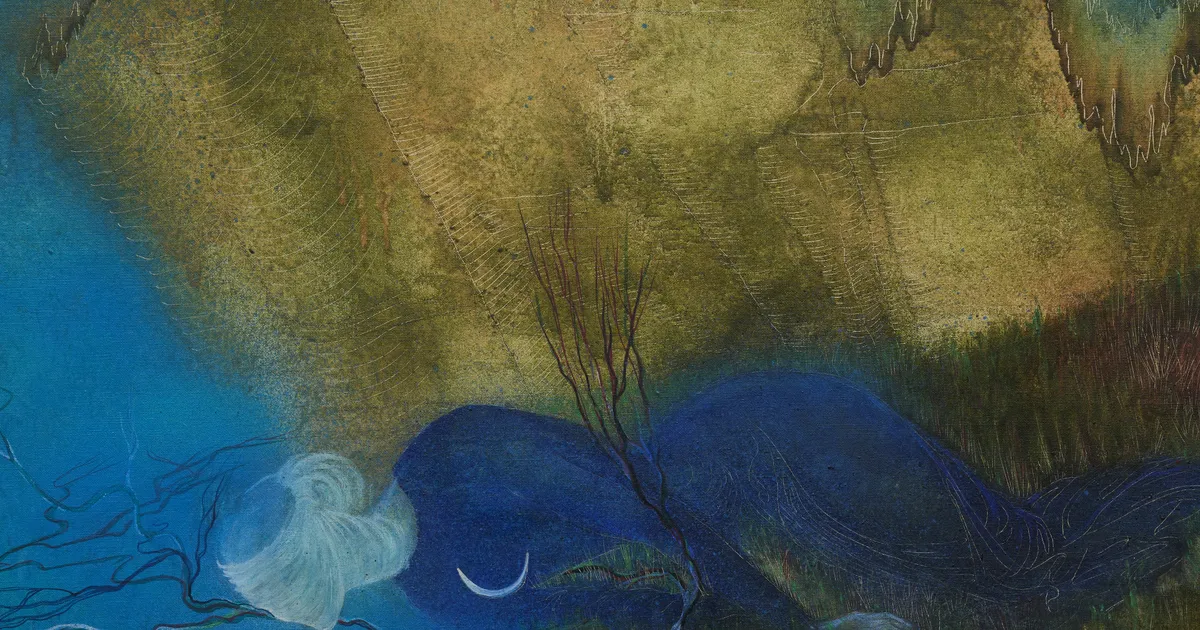
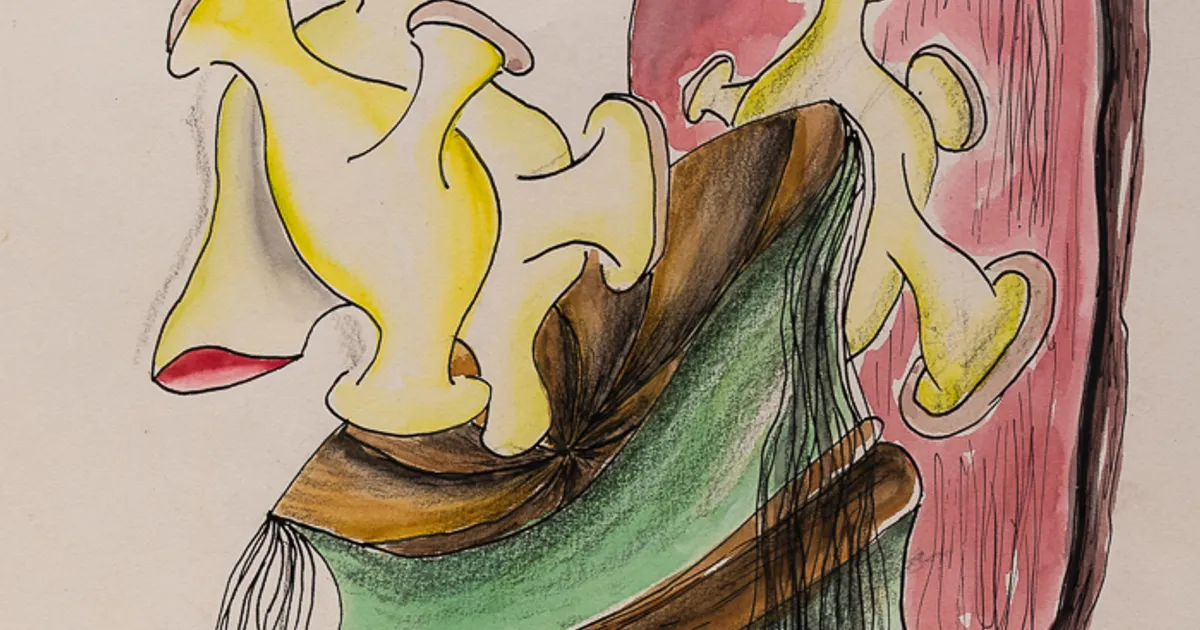
Zeno’s work from these years is characterised by abstraction, biomorphism and dreamlike imagery. Organic forms and asymmetrical structures replace traditional figuration, while bodies, landscapes and imagined environments appear to dissolve into one another. The gallery situates her practice between Caribbean modernism and the international Surrealist avant-garde, citing affinities with the metaphysical spaces of Giorgio de Chirico and the atmospheric landscapes of Yves Tanguy. Her work also addresses femininity, identity, memory and psychic experience.
In 1953, Granell secured Zeno a postgraduate scholarship to Paris. While studying at the École du Louvre, she entered the circle around Breton, Benjamin Péret and other Surrealists who gathered at the Café de la Place Blanche. Breton welcomed her into the movement and introduced her to Méret Oppenheim, with whom she formed a lasting artistic friendship. During this period, Zeno engaged with Surrealist ideas of psychic automatism and the work of artists including Max Ernst, Paul Klee, de Chirico and Toyen.
The works listed for the exhibition include ‘Let’s Go Higher’ (1952), an oil painting on canvas; ‘Una Silla Incómoda’ (1952), made in watercolor and ink on paper; and ‘A Different Kind of Trip 2nd Side’ (1953), a pencil drawing on paper. Zeno’s Parisian career was interrupted in December 1954 by her father’s illness, which led her to leave Europe and return to the Americas. She later relocated first to Havana and then to New York. ‘Cossette Zeno: San Juan to Paris’ will be on view in New York from 10 September through 30 October 2026.