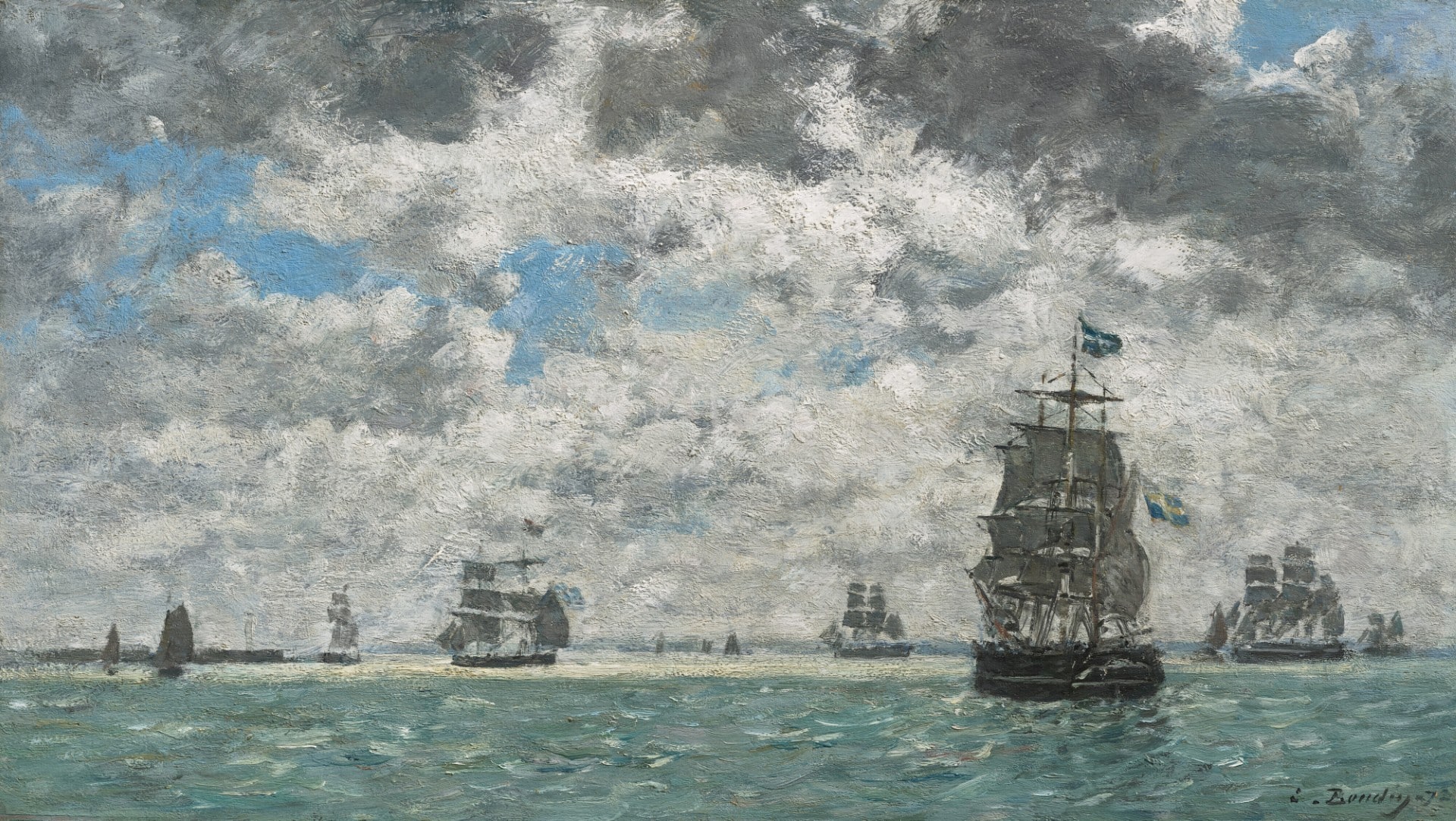
 Image: Musée Ingres Bourdelle, Paris
The Musée Ingres Bourdelle in Montauban is presenting ‘Ingres et la mode’, an exhibition examining Jean-Auguste-Dominique Ingres’s attention to clothing, textiles and accessories in his portraits. The museum’s presentation places his treatment of dress within the social and economic conditions that shaped fashion, while also tracing the influence of his painting on later fashion creators. A catalogue for the exhibition has now arrived at the museum’s bookshop and tea room, ‘Chez Madeleine’.
The exhibition brings together works by Ingres with textile pieces, accessories, jewellery, fashion engravings and catalogues. According to the museum, the selection looks beyond the painter’s evident interest in recording the details of his sitters’ clothing. It considers the materials, styles and systems surrounding fashion in Ingres’s period, and the ways his approach to costume contributed to his subsequent reception.
The museum’s summer description gives particular emphasis to Ingres’s handling of textile surfaces. The exhibition explores how he transformed fabric into a central element of his portraits, worked with transparency, drew on the trends of his time and engaged with art history. It also considers the continuing impact of his painting on designers and creators in the 20th and 21st centuries.
‘Ingres et la mode’ is being presented at the Musée Ingres Bourdelle, which occupies a listed historic building in the centre of Montauban. The institution is housed in a former 17th-century episcopal palace, built over medieval foundations. The museum was established in 1820 and was enriched in 1867 by collections donated by Ingres to Montauban. Several decades later, the institution received a group of sculptures by another native of the city, Émile-Antoine Bourdelle.
The museum is offering temporary-exhibition guided tours from 5 July to 30 September 2026 at its address at 19 rue de l’Hôtel-de-Ville. In its September newsletter, it lists guided visits to ‘Ingres et la mode’ on Wednesdays, Saturdays and Sundays at 4.30pm. The programme describes these tours as an opportunity to examine the painter’s portrayal of the finery and dress of his models, alongside the exhibition’s broader discussion of fashion’s social and economic context and its influence on later artists and designers.
Further programming connected with the exhibition is scheduled in October and November. On 22 and 29 October, the museum has listed evening sessions titled ‘Ingres et la mode’, described as concluding presentations before the exhibition closes. A day of conferences on 6 November will bring together the authors of the exhibition catalogue, with experts, academics and curators addressing Ingres’s relationship with the fashion of his time. The museum has not provided an exhibition closing date in the supplied calendar material.
![Jacquemart-André Museum to Honor Tintoret [f1]](/uploads/newsletter-22734-f064b2a5294c.jpg)
![Karel Appel: ‘Start Again Like A Child’ Scheduled for 2026 [f1]](/uploads/newsletter-11960-8dca1fee4688.webp)