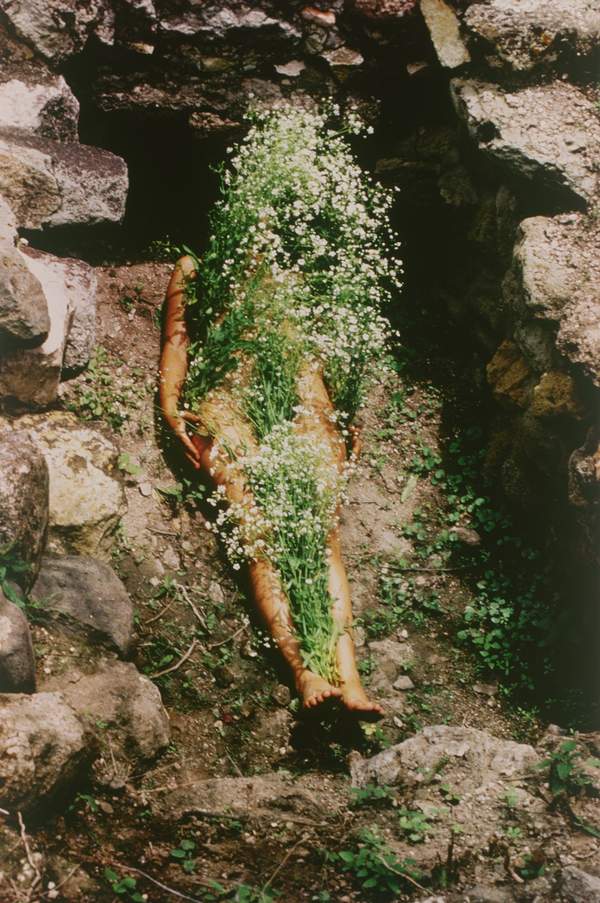
 Image: Ana Mendieta, Imágen de Yágul, 1973. © The Estate of Ana Mendieta Collection, LLC. Licensed by Artist Rights Society (ARS), New York / DACS, 2026. Courtesy Marian Goodman Gallery and Alison Jacques, London.
Tate Modern has opened a major exhibition devoted to Ana Mendieta, bringing together iconic works, newly remastered films, early paintings and late sculptural pieces by the Cuban-born American artist. The exhibition, which runs from 14 July 2026 to 17 January 2027, is the first in-depth UK presentation of Mendieta’s work in more than a decade and includes works that have not previously been seen in Britain.
Organised by Tate Modern in collaboration with the Estate of Ana Mendieta, the exhibition examines a practice shaped by questions of displacement, identity, nature and memory. Mendieta was active during the 1970s and early 1980s, and became best known for her ‘Silueta Series’, in which the outline or trace of the body is formed from natural materials including earth, fire, water and flowers. Photographs and films preserve these often temporary interventions, in which presence is registered through an image of absence.
The exhibition also extends beyond the gallery walls, reflecting Mendieta’s sustained engagement with the natural world. Tate describes the presentation as a view of an artist whose legacy changed the course of contemporary art, while positioning the show as an opportunity to encounter the breadth of her work rather than only the most familiar silhouette pieces. Alongside the ‘Siluetas’, visitors will see early paintings and later sculptural works, as well as films that have undergone new remastering.
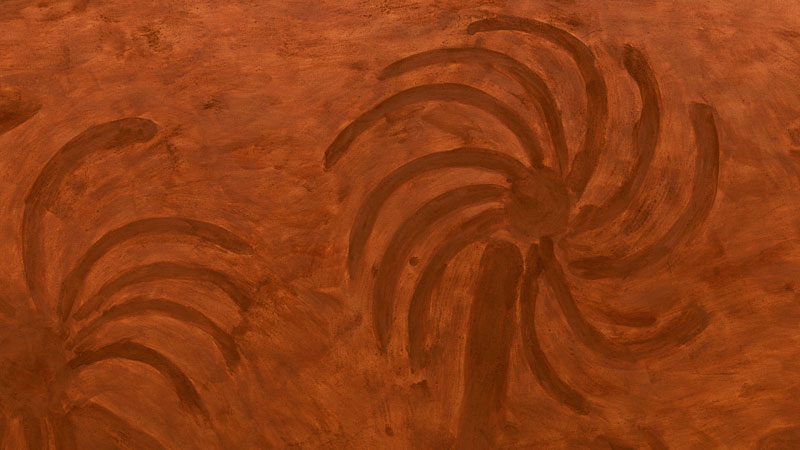
The opening section of the exhibition includes work from Mendieta’s return visits to Cuba between 1980 and 1983. According to Eliza Goodpasture’s review in Art in America, the presentation begins with ‘Esculturas Rupestres’ (1981), a group of sculptures carved into limestone caves, cliffs and valleys in Las Escaleras de Jaruco, a Cuban nature reserve. The review also highlights ‘Ochún’ (1981), Mendieta’s final film, which shows the sea off Florida moving across and through an outline of the artist’s body formed from earth in shallow water.
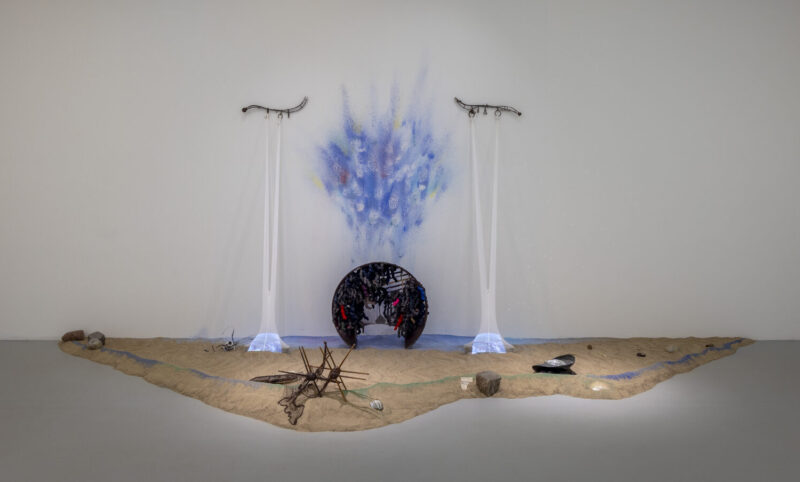
Goodpasture writes that the exhibition asks, ‘What does Mendieta’s work become if we allow it to stand on its own?’ Her review describes the ‘Siluetas’ (1973–80) as ephemeral imprints made in settings including creek banks, snow, beaches and trees, with the elements gradually altering or erasing them. The exhibition includes a reconstruction of one installation of these works, developed with the guidance of Mendieta’s niece, Raquel Cecilia Mendieta.
Other works bring together ritual, performance and transformation. In ‘Anima, Silueta de Cohetes (Firework Piece)’ (1976), Mendieta created and filmed a body-like form covered with fireworks as it burned. Tate’s presentation also includes films, drawings and paintings that trace the artist’s movement across media as she pursued forms of image-making connected to the body, landscape and spiritual experience.
The exhibition is on view at Tate Modern, Bankside, London. Tickets cost £18, with concessions at £17 and Tate Collective tickets at £5; entry is free for Tate Members. Related programming includes monthly relaxed hours, exhibition tours on 5 September and 3 October 2026 and 16 January 2027, the outdoor gathering ‘Like Spores, We Spread’ on 11–12 September, and an ‘Ana Mendieta: Film Programme’ on 15 October.