 Image: Museum Yamato Bunkakan, Nara
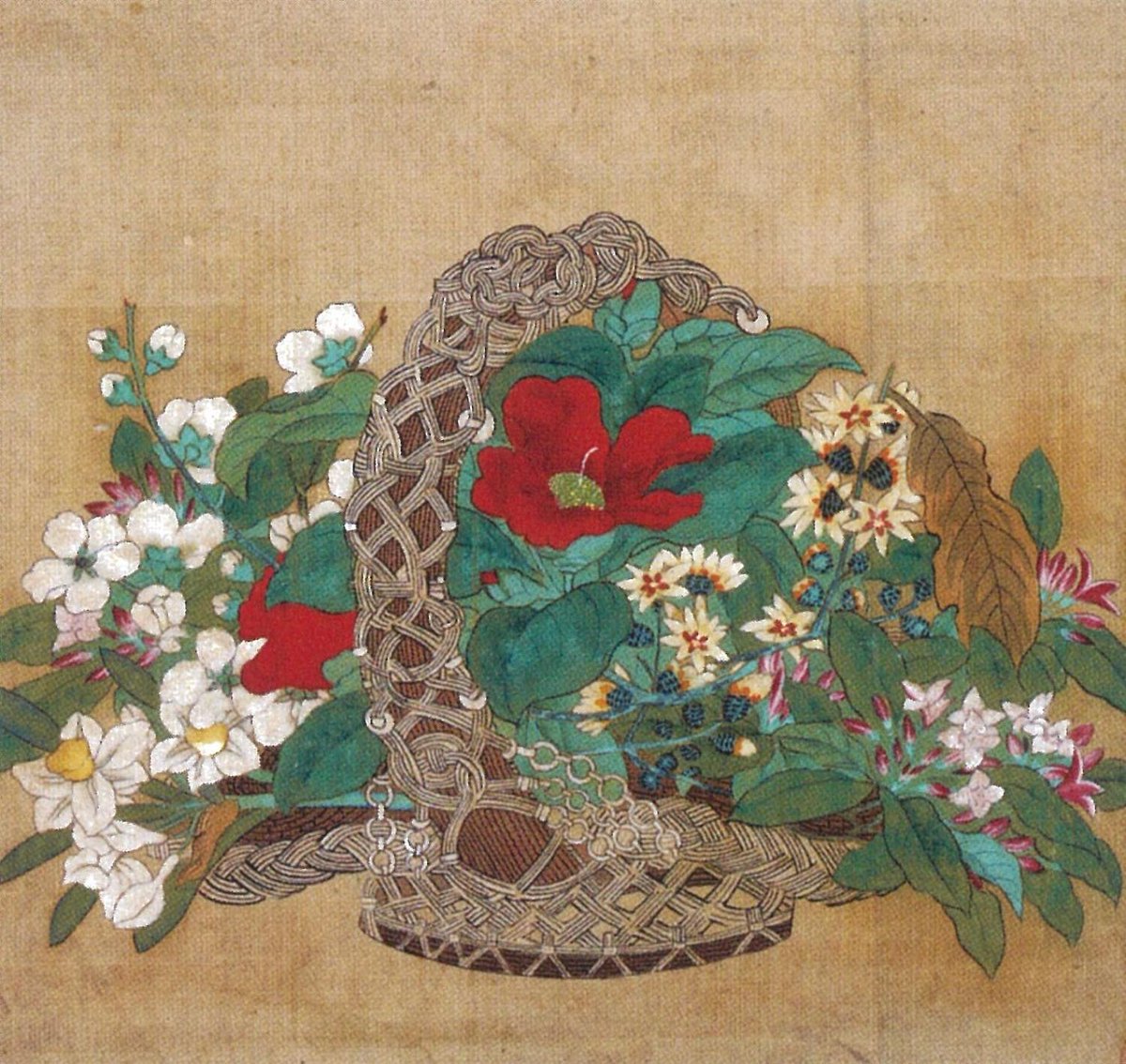
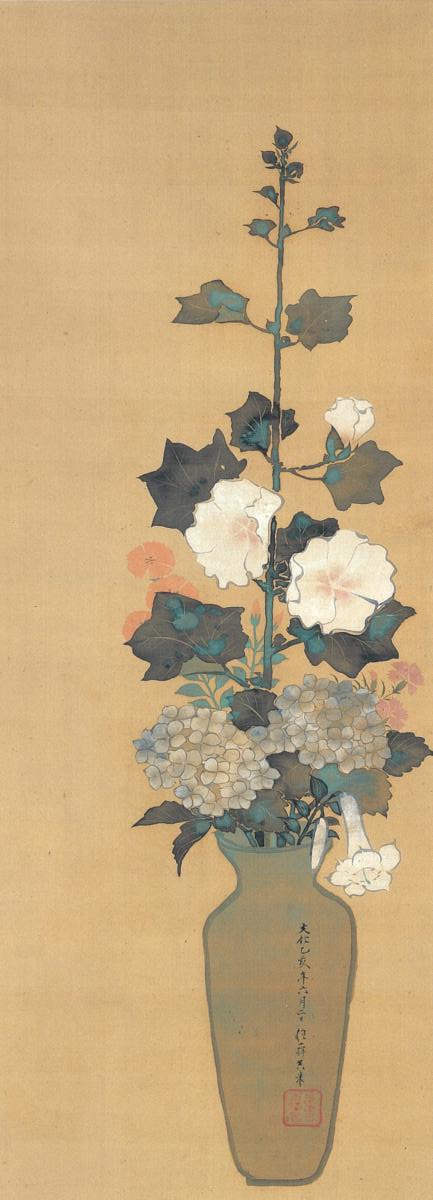
Museum Yamato Bunkakan in Nara has drawn attention to a work by Edo-period Rinpa painter Sakai Hōitsu, 'Bingata-zu' ('瓶花図'), from its collection. The museum’s social media post presents the painting as a seasonal and memorial image, linking it to Hōitsu’s reverence for Ogata Kōrin, a central figure in the Rinpa tradition.
According to the museum’s description, the work was painted for the 100th memorial of Kōrin, whom Hōitsu deeply admired. The image includes early-summer flowers such as hollyhocks, hydrangeas and white lilies. The post says these blossoms can be understood as having been chosen to align with Kōrin’s memorial day, the second day of the sixth month in the old lunar calendar, which falls around mid-July in the modern calendar.
The museum frames the painting as an expression of remembrance by an artist who saw himself as continuing the Rinpa lineage. Rather than presenting the work simply as a floral still life, the post emphasizes the relationship between subject, season and tribute, showing how Hōitsu used the language of flowers to evoke memory and artistic inheritance.
'Bingata-zu' is identified in the post as belonging to Museum Yamato Bunkakan’s collection. No exhibition dates or public display details were given in the source material, and the museum’s message focused instead on the painting’s historical meaning and its connection to Kōrin within the Rinpa tradition.
Museum Yamato Bunkakan, based in Nara, publishes art-related content through its official channels, and this post continues that role by introducing a specific work from the collection in concise historical terms. The museum’s account, @yamatobunkakan, used the post to situate Hōitsu’s painting within the commemorative culture of Edo-period Rinpa painting and the seasonal imagery that often defines the style.