 Image: Manny Alcala / The Andy Warhol Museum, Pittsburgh
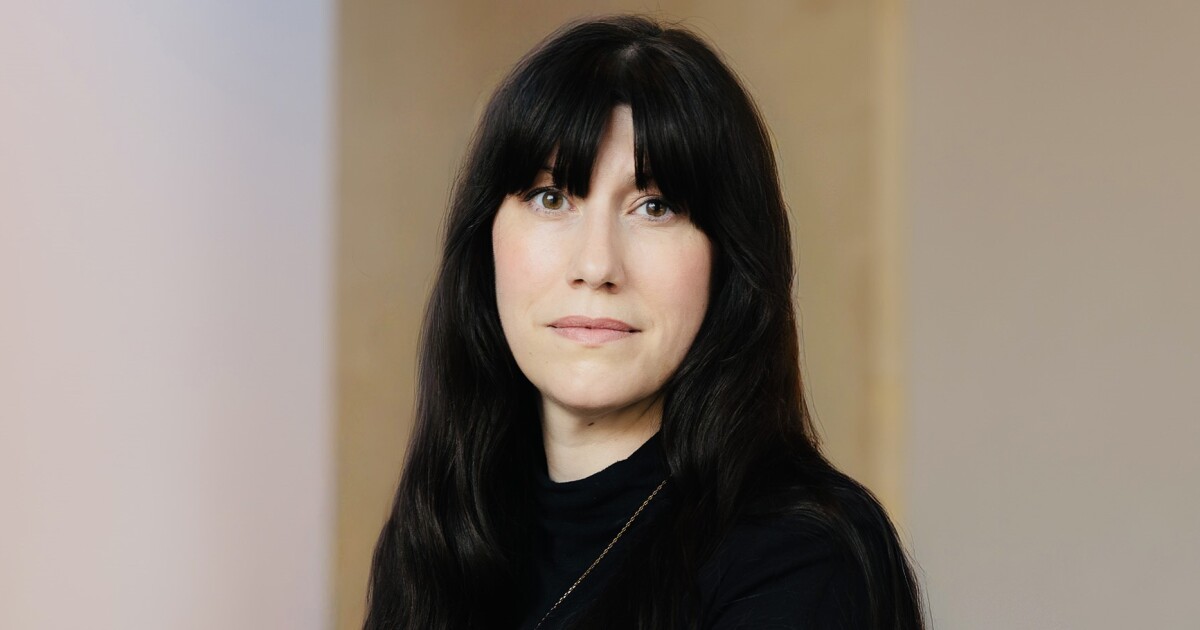
Hannah Klemm is set to begin work on Monday, 17 August 2026, as the new Milton Fine Curator of Art at The Andy Warhol Museum in Pittsburgh, filling a full-time curatorial post that had been vacant for more than two years. Her appointment was announced by the museum on 14 July 2026; WESA reports that the role has been filled for just eight months out of the past four years. Warhol director Mario Rossero said at the time of her hiring that Klemm’s “curatorial expertise and collaborative spirit” would bring “a unique approach” to the collection and exhibition program.
Klemm arrives with a background that connects her to both Pittsburgh and the museum’s broader artistic frame. She has visited the city annually since 2012, when she came for a wedding at the Mattress Factory, and said she has long admired Pittsburgh’s art scene. She also has a personal tie to the city through her father-in-law, who is Pittsburgh-born, and says she has become a Pirates fan. In a phone interview, Klemm said she has “always loved Pittsburgh,” recalling repeated visits to the Warhol and encounters there with contemporary artists she values, including Dominican painter Firelei Báez.
Before joining the Warhol, Klemm served for three and a half years as curator of modern and contemporary art at the Blanton Museum of Art at the University of Texas at Austin. Her work there included 'Run the Code: Data-Driven Art Decoded by Thomas Foundation X Blanton Museum of Art,' an exhibition of digital art using coding, data or AI to interact with visitors, which drew coverage in The New York Times. Earlier, at the St. Louis Art Museum, she oversaw 'Currents,' a series commissioning new work by living artists, and 'The New Media Series' for single-channel video. She also co-organized the internationally touring exhibition 'The Culture: Hip Hop and Contemporary Art in the 21st Century' with the Baltimore Museum of Art.
Klemm’s academic background also shapes how she approaches Warhol. She earned her doctorate in art history at the University of Chicago, where her dissertation examined underground artists who created collectives under East German rule from 1953 through the fall of the Berlin Wall. In the WESA interview, she linked that research to Warhol’s career, saying the time period overlaps with his work from his early days in New York as a commercial artist through his death. She is especially interested in how Pop art was received in Eastern Europe, where she said it was seen less as an extension of consumer culture than as an avatar of democracy and freedom.
That historical interest matches the museum’s contemporary programming, which Klemm has followed closely. She pointed to the Warhol’s presentation of artists working today, including Báez and Pittsburgh-born ceramicist and sculptor Sharif Bey, whose work is currently in dialogue at the museum with pieces by Warhol and Jean-Michel Basquiat. Klemm said she has been impressed by how the museum brings contemporary artists into conversation with Warhol’s legacy and uses that legacy to support living artists and the broader arts community.
Klemm said her first priorities will include learning more about Warhol himself, including his early years as a boy and student at Carnegie Tech, and getting to know the community around the museum. She also said she wants to revisit Maxo Vanka’s murals at Millvale’s St. Nicholas Croatian Catholic Church, which she has not seen since before their multimillion-dollar restoration and relighting. In 2025, the Warhol drew 123,000 visitors. Klemm said she is already thinking ahead to 2028, when Pittsburgh will mark the centennial of Warhol’s birth.
![The Warhol Museum Explores the Material History of ‘Typewriter [2]’](/uploads/x-2099136459349414046-b4b05e47601e.jpg)