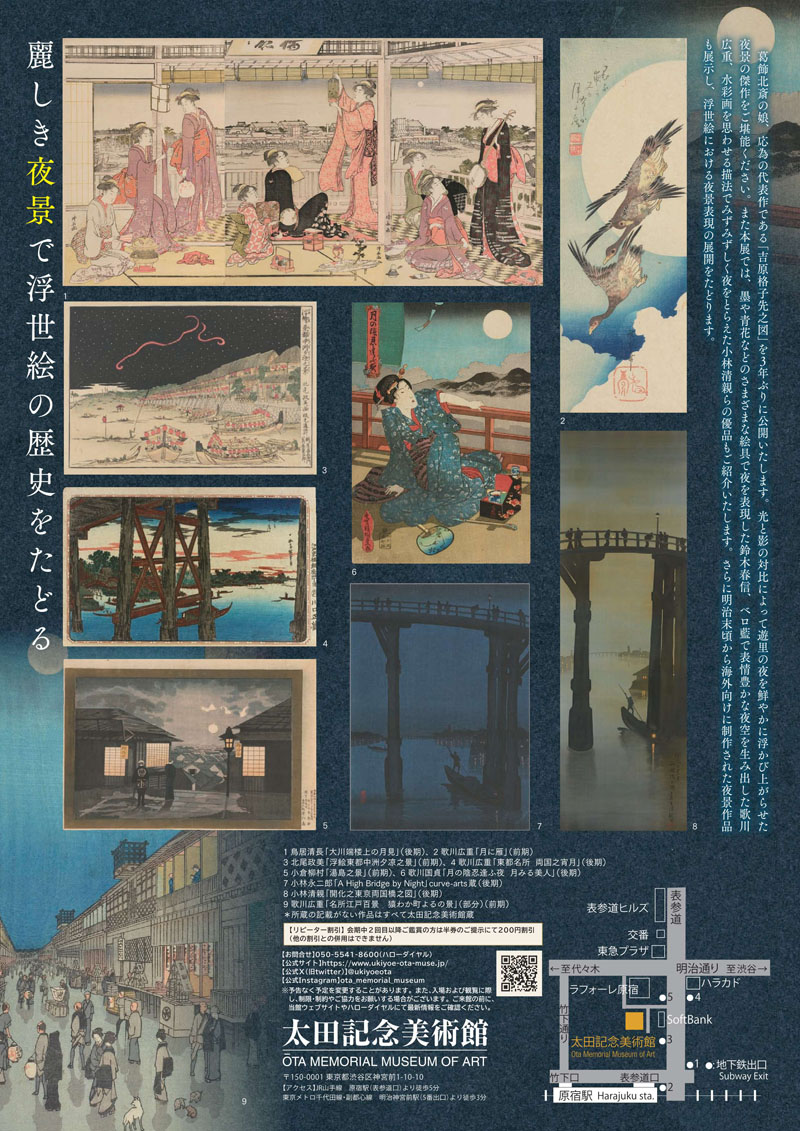
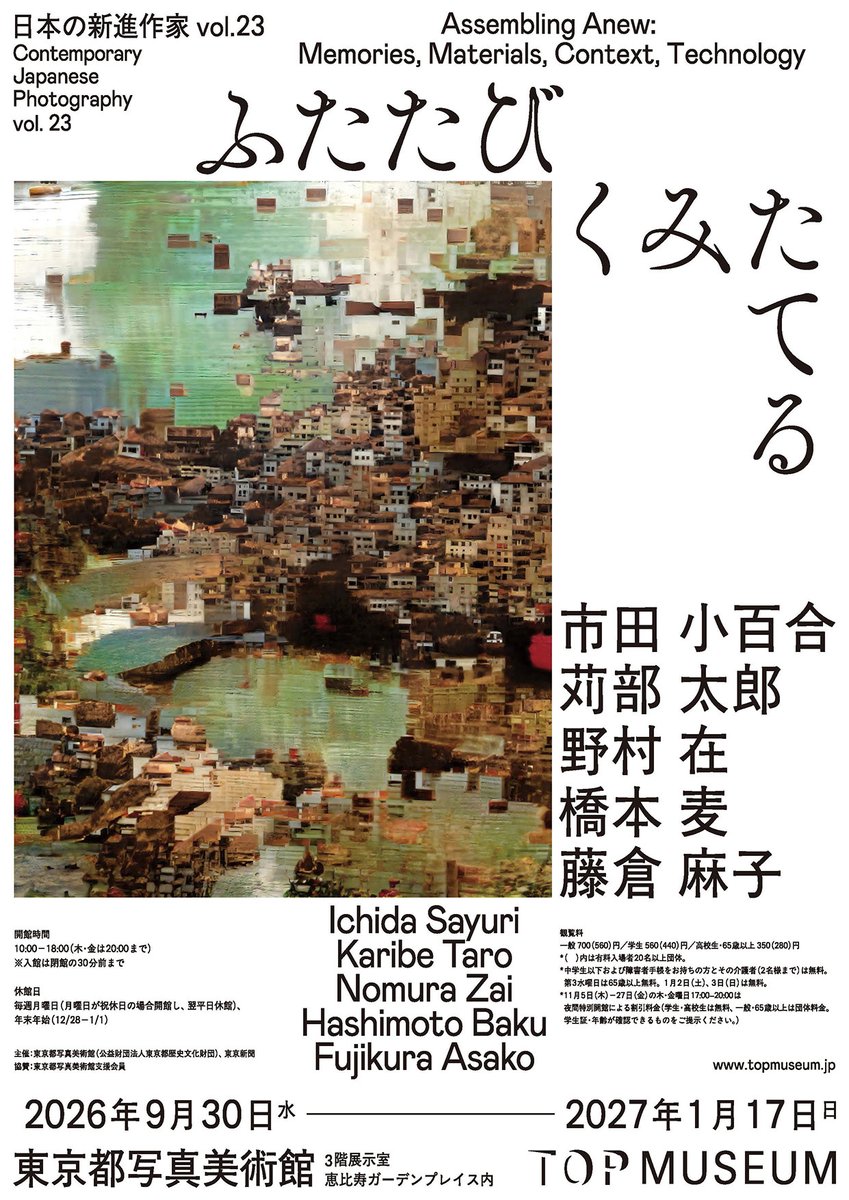
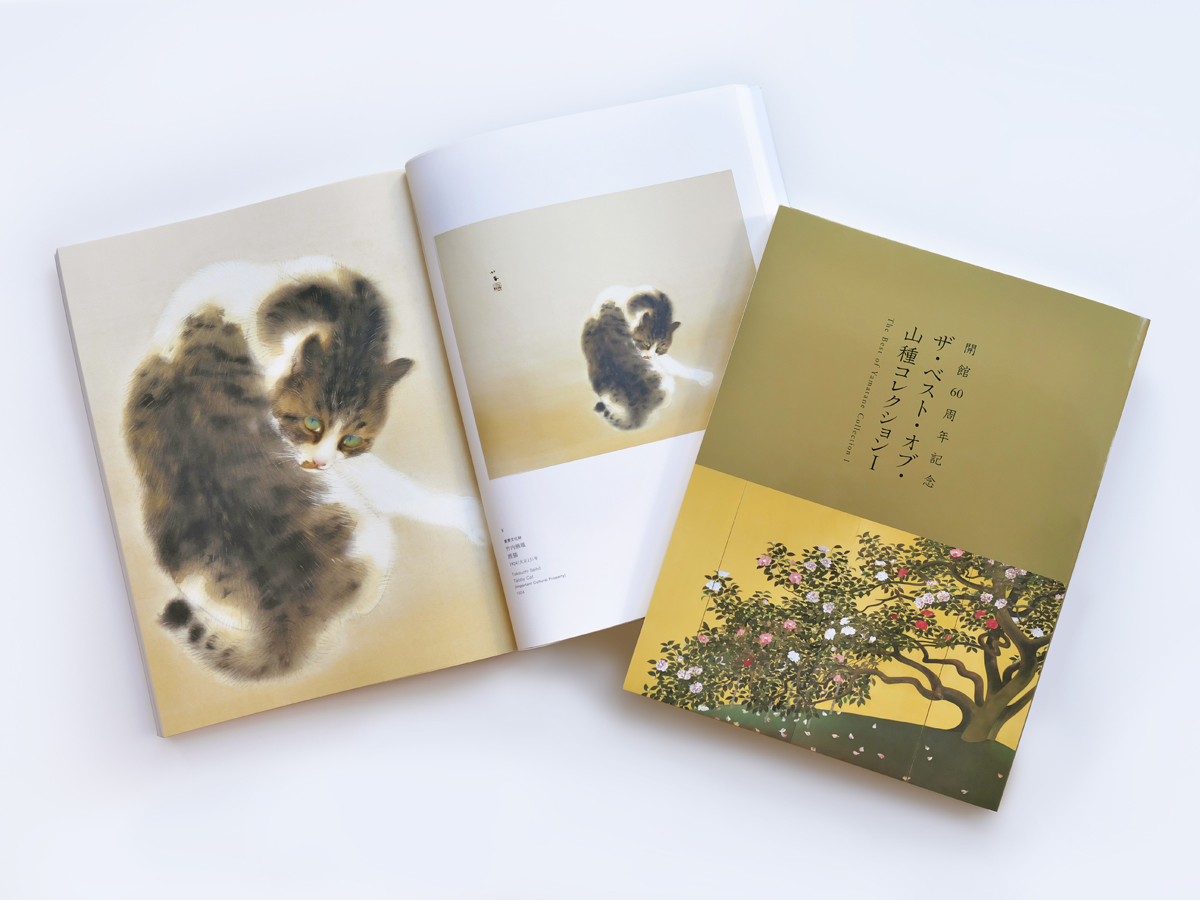
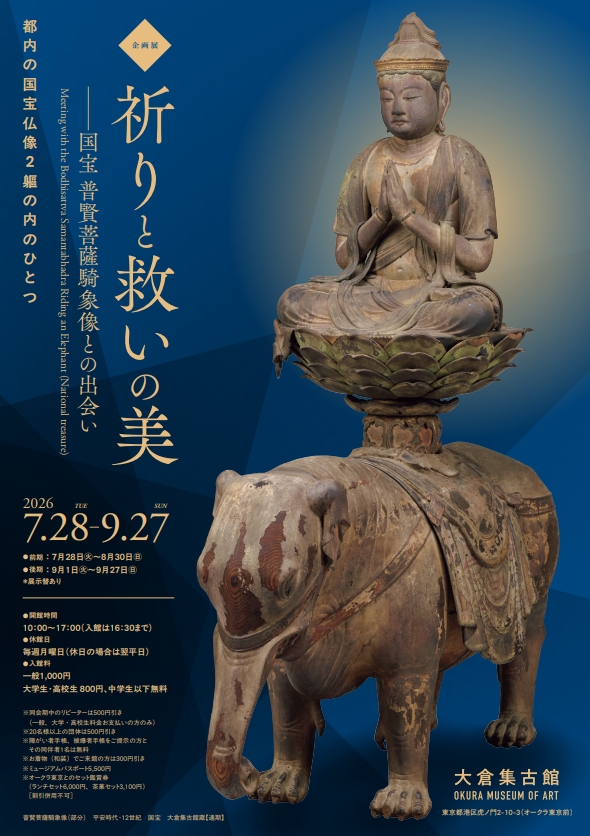
 Image: Bodhisattva Samantabhadra Riding an Elephant (detail), Heian period, 12th century, National Treasure, collection of the Okura Museum of Art, Tokyo. Exhibition flyer courtesy of the museum.
The Okura Museum of Art in Tokyo is showing a 14th-century painting of the Buddha’s parinirvana in ‘Beauty of prayer and relief: Meeting with the Bodhisattva Samantabhadra Riding an Elephant (National treasure)’, an exhibition of Buddhist art drawn from the museum’s own holdings that runs from 28 July to 27 September 2026. The museum’s own post about the painting describes grieving disciples and animals whose faces and bodies are contorted with sorrow, set against the Buddha lying quietly in death.
The work appears on the museum’s exhibition list as ‘Butsu nehan-zu’ (Nirvana of the Buddha), a single hanging scroll of the Kamakura period, 14th century, held in the Okura Museum of Art’s collection and designated an Important Art Object. It is item 10, in the exhibition’s second section, ‘Shakyamuni Buddha and His Disciples’, and carries no rotation marking, so it is on view for the full run.
The exhibition is arranged in six sections — ‘Sutras and the Introduction of Buddhism’, ‘Shakyamuni Buddha and His Disciples’, ‘The Pure Land and Hell’, ‘Devotion to the Lotus Sutra and Bodhisattva Samantabhadra’, ‘Esoteric Buddhism’ and ‘The Syncretism of Shinto and Buddhism’ — and centres on the Bodhisattva Samantabhadra Riding an Elephant, which the museum describes as one of only two National Treasure Buddhist statues in Tokyo. The Japanese-language text dates the sculpture to the late Heian period and draws attention to its polychromy and kirikane cut-gold decoration.
Exhibits are shown in two rotations, the first running to 30 August and the second from 1 September to 27 September. The museum opens from 10:00 to 17:00, with last admission at 16:30, and closes on Mondays, shifting the closure to Tuesday when a Monday falls on a public holiday. Admission is ¥1,000 for adults and ¥800 for university and high-school students, and free for junior high-school students and younger.
Public programmes accompanying the exhibition include curator-led gallery talks on 4 August and 8 September at 14:00 and slide talks in the basement hall on 26 August and 16 September, the September date starting at 14:30; all are led by chief curator Taizo Hiratsuka and are free with an admission ticket, with advance booking required for the slide talks.
Founded in 1917 by the industrialist Kihachiro Okura (1837–1928), who collected Japanese and Asian art in response to the dispersal of Buddhist works and their export abroad, the Okura Museum of Art describes itself as Japan’s oldest surviving private art museum. Its present building, designed by Chuta Ito, opened in 1928 after the Great Kanto Earthquake of 1923 destroyed the original gallery and the works then on display.