 Image: Museo delle Porcellane, Florence
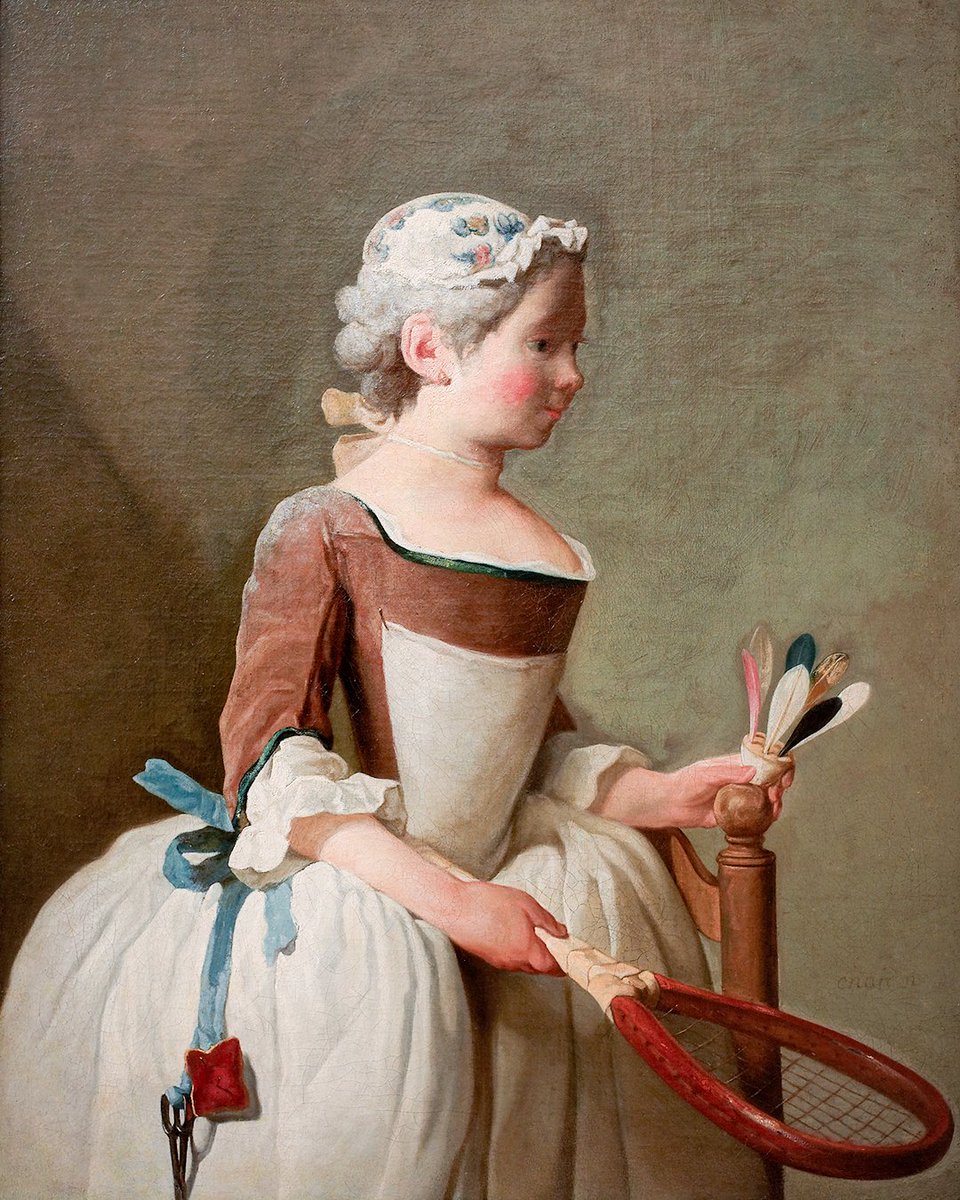
The Uffizi has drawn attention to two pendant paintings by Jean-Baptiste-Siméon Chardin that portray childhood in 18th-century French bourgeois life through small, everyday gestures. In a post shared by the museum, the works are identified as 'Ragazza col volano' and 'Fanciullo con il castello di carte', both dated circa 1740–1760.
The paintings are presented as a pair, or pendant, and the Uffizi description emphasizes their quiet mood: slow days, simple games and a suspended atmosphere. Rather than focusing on formal portraiture or grand historical scenes, Chardin uses familiar domestic activity to evoke childhood as lived experience within the French bourgeois world of the 1700s.
Chardin’s approach is central to the appeal of these works. The museum’s own wording points to the artist’s interest in small gestures and ordinary behavior, suggesting that the pair captures not only two children at play but also a broader social and cultural image of childhood in the period. The subject matter places the paintings within Chardin’s wider reputation for closely observed scenes of everyday life.
The post does not provide additional curatorial interpretation, exhibition framing or loan details, but it situates the works within the Uffizi’s online presentation and collection context. The museum’s social media note is concise, pairing the images with a short description that foregrounds their atmosphere and historical setting.
'Ragazza col volano' and 'Fanciullo con il castello di carte' are both attributed to Jean-Baptiste-Siméon Chardin and dated approximately 1740 to 1760. The Uffizi identifies them as pendant paintings that together offer a glimpse of 18th-century French childhood through the simplest of actions.