 Image: Museo d'Arte Sacra di Scaria
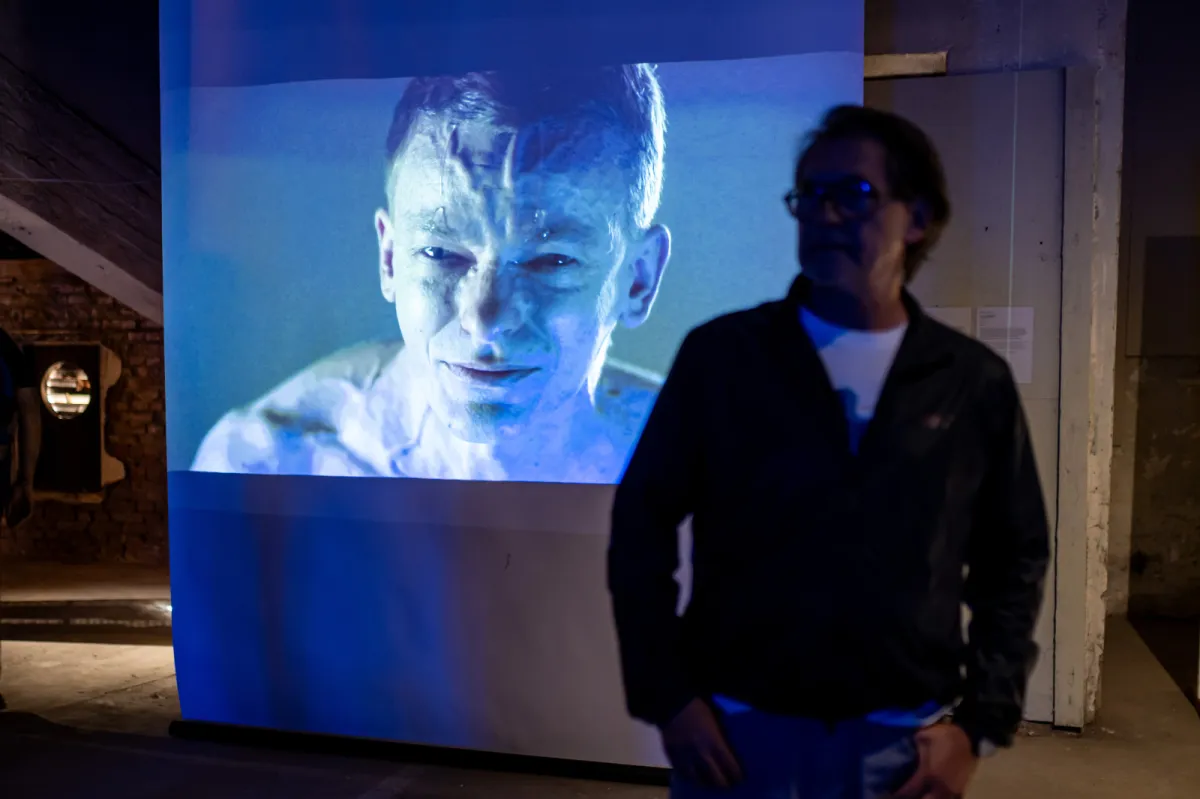
An exhibition examining how masculinity is being rethought in contemporary art is on view at WL4 - Mleczny Piotr in Gdańsk through 15 September. Titled ‘New Masculinities’ in the English-language material, and ‘Nowe Męskości w sztuce polskiej XXI wieku’ in the Polish source text, the show opened on 10 July and gathers work by artists using photography, painting, video, installation and performance to question older ideas of male strength and emotional restraint.
The exhibition is presented at WL4 - Mleczny Piotr in Gdańsk, as reflected in the verified event details and the Trojmiasto coverage. The newsletter from Art Agenda Nova places the project among a broader selection of exhibitions featuring artists associated with the gallery’s circle, but the main source material focuses on this Gdańsk presentation and its thematic scope rather than on a wider touring format. The article’s verified venue and dates are confined to the WL4 showing.
According to the source text, the curators frame the exhibition around shifts in how men are seen at the start of the 21st century, with a particular interest in how social, cultural and political changes have affected artistic representation. The show does not propose a single definition of masculinity. Instead, it presents multiple viewpoints that include emotionality, relationships, fatherhood, loneliness, exclusion and social pressure. The material also notes references to the influence of mass culture and the internet on contemporary male identity, together with queer experiences and an intersectional perspective that can include origin, sexual orientation and disability.
The exhibition brings together 18 artists. The list named in the source includes Grzegorz Bibro, Jan Brykczyński, Oskar Dawicki, Zbigniew Gorlak, Filip Ignatowicz, Filip Kalkowski, Mac Lewandowski, Michał Nowakowski, Zuzanna Odalanowska, Grzegorz Pieniak, Agnieszka Rayss, Kordian Rönnberg, Filip Rzodkiewicz, Łukasz Surowiec, Maciej Szupica, Tadeusz Witkowski, Michał Zieliński and Oska Żuk. Their work spans several media, reinforcing the exhibition’s refusal to reduce the subject to a single visual or conceptual model.
Several works singled out in the source material sharpen that approach. Łukasz Surowiec’s ‘Czarne Diamenty’ and photographs from ‘Wielkie wymieranie’ draw on the ethos of mining labor, historically associated with strength, endurance and sacrifice, and set it against economic and social transformation. The closure of mines is presented as a symbol not only of industrial change but also of the erosion of a traditional model of masculinity built around hard physical work. Grzegorz Bibro’s glass ‘Figury Pękate’ are described as balancing monumentality and fragility, while his photographic series ‘Udomowienie’ shifts attention to domestic space as a place of safety and shelter.
Other works in the show extend the discussion through different references. Filip Kalkowski’s ‘Adam’ is described as a work completed shortly before the opening and presented not as a definition of ‘new masculinity’ but as a process of negotiating identity and recovering a fuller experience of humanity. Maciej Szupica’s ‘Michael / Who’s Bad’ uses the iconography of Michael Jackson to address how popular culture constructs masculine models, while ‘Permanent Beauty No. 4’ turns to body image and the pressure men feel around appearance. The source also names Jan Brykczyński’s photographs from ‘Bojko’, which connect masculinity to community, tradition and nature, and Grzegorz Pieniak’s paintings, in which the male body becomes a site of tension between strength and sensitivity.
The opening on 10 July included a performance by Mac Lewandowski, and the exhibition remains on view at WL4 - Mleczny Piotr in Gdańsk until 15 September.