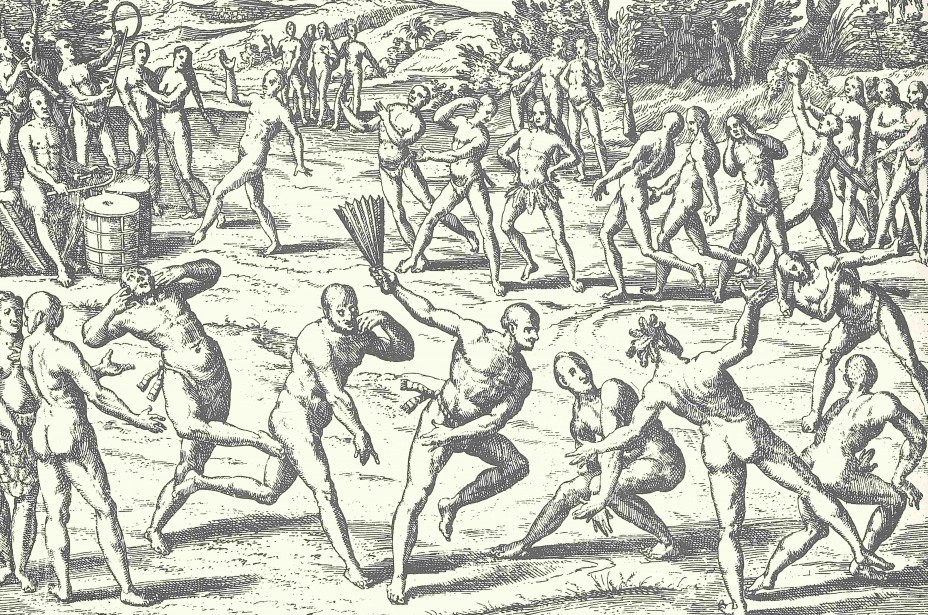
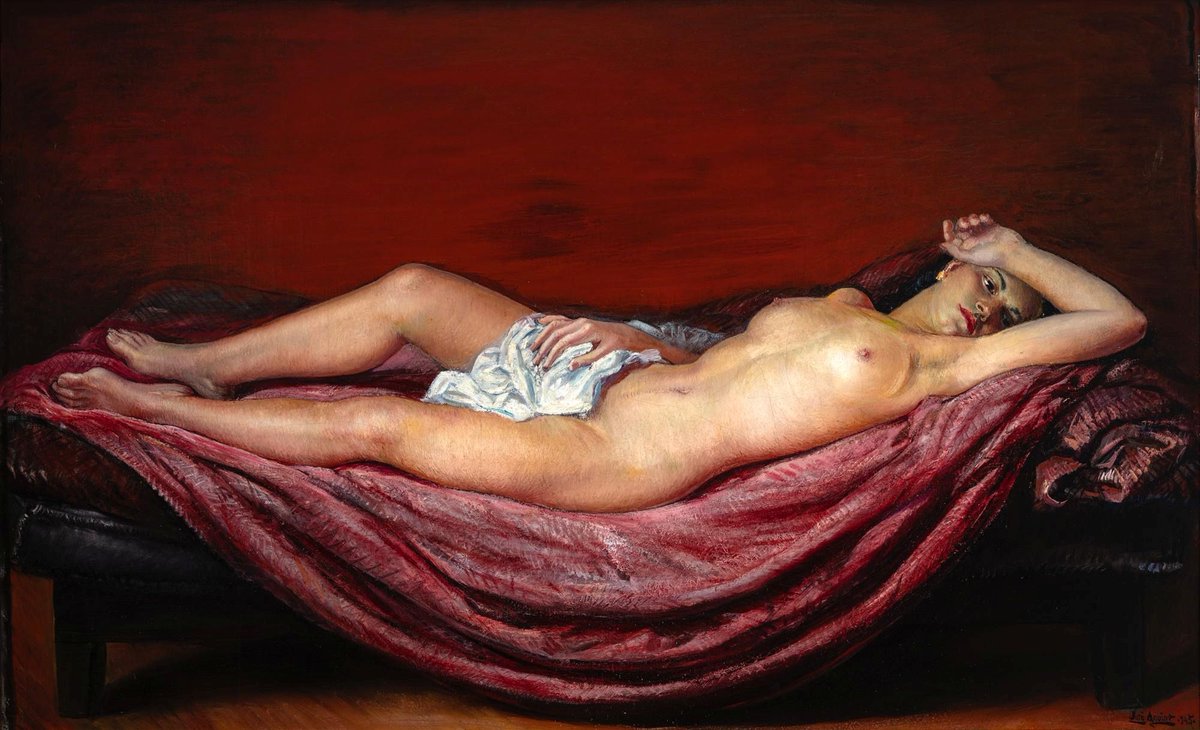
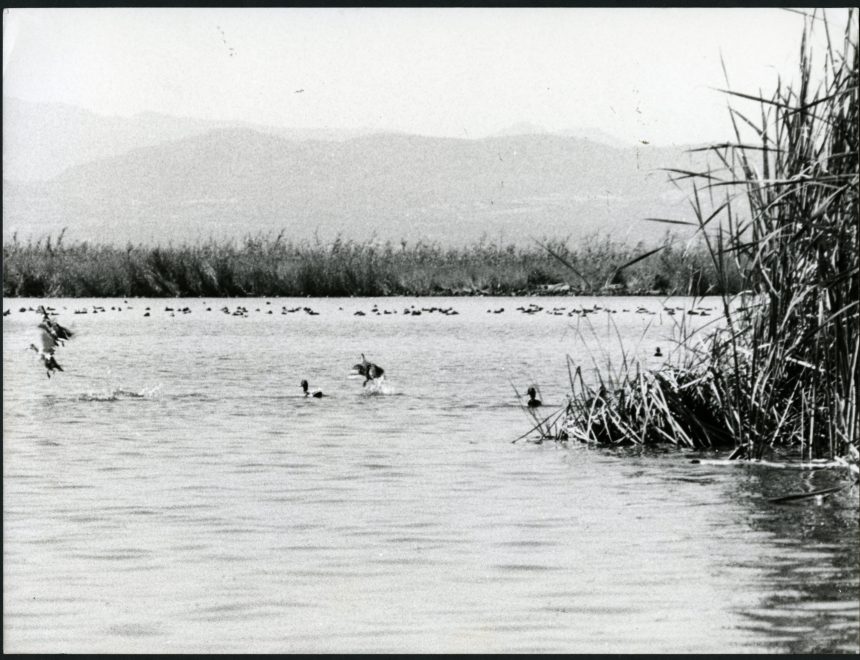
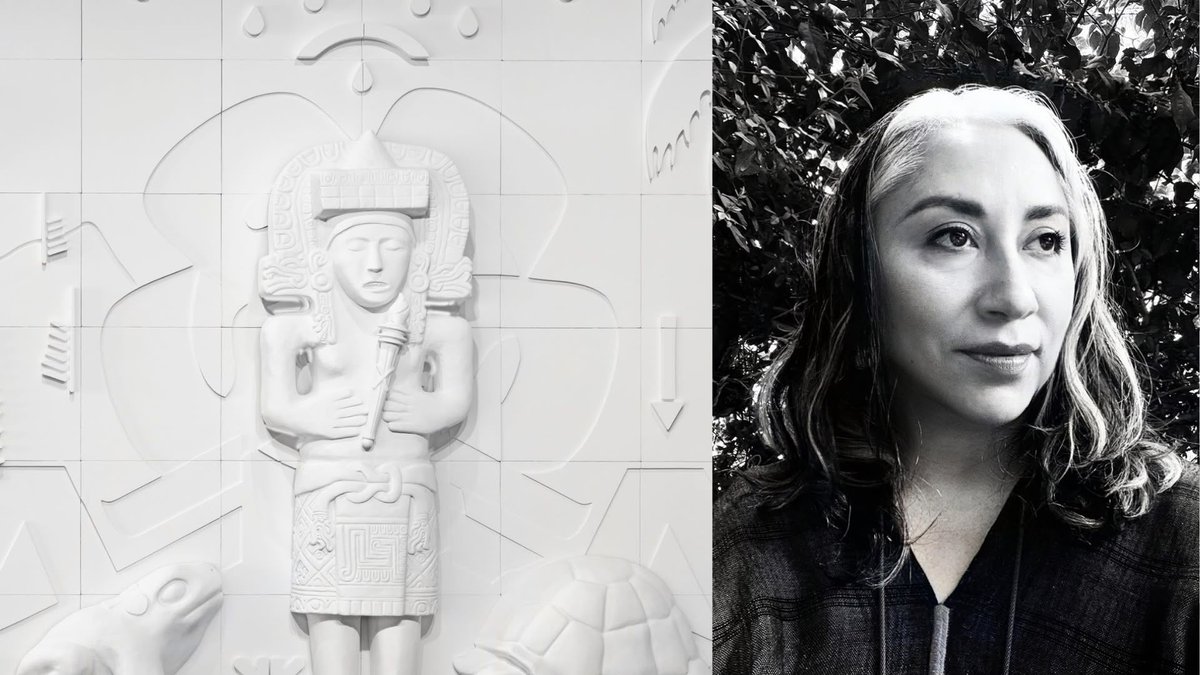
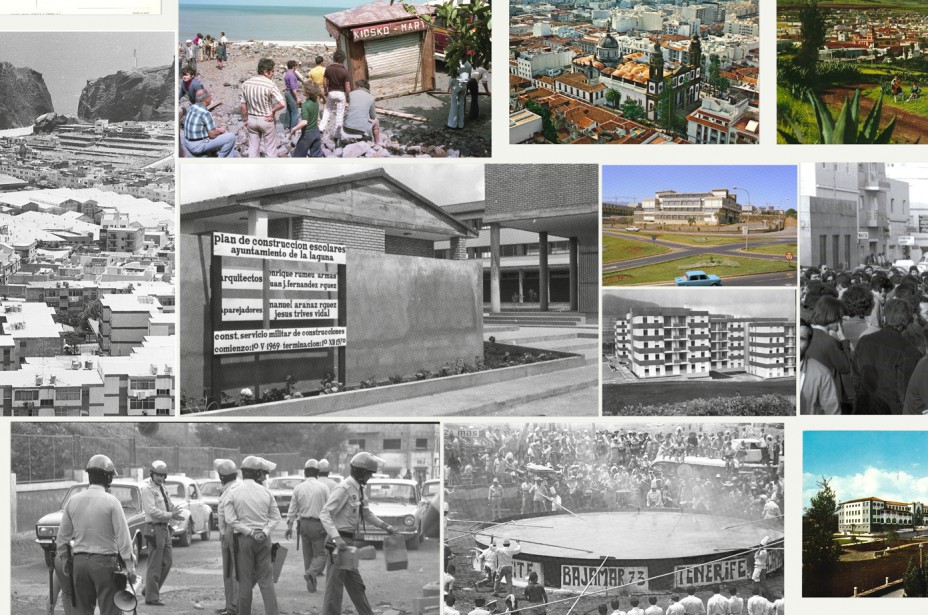
 Image: Key visual for 'Para que podamos vivir. La Laguna, 1968–1983', a montage of archival photographs of La Laguna. Courtesy TEA Tenerife Espacio de las Artes, Santa Cruz de Tenerife
TEA Tenerife Espacio de las Artes is showing 'Para que podamos vivir. La Laguna, 1968–1983' in Sala A from 27 March to 13 September 2026, a survey that reads La Laguna as a site of intense cultural, political and urban change rather than as a fixed heritage image. The exhibition, presented in Santa Cruz de Tenerife, is curated by TEA’s team together with Juan Albarrán, Daniasa Curbelo and Servando Rocha, and takes as its starting point a period in which the city became one of the main centres of agitation in the Canary Islands during the final years of the dictatorship and the Transition.
According to the museum, the project sets out to challenge the more familiar view of La Laguna as a colonial and patrimonial city associated primarily with its historic grid and architectural value. Instead, it proposes the city as a living urban environment shaped by social conflict, political mobilization and artistic activity. The exhibition situates La Laguna within a broader memory of generational change and the questioning of inherited structures, linking that local history to the final years of Francoism and the emergence of new forms of public expression.
The show is built around TEA’s own collection, including photographic and visual material connected to the city’s history and social movement during the period covered. The museum says this allows works in the collection to be reinscribed in the historical settings in which they were produced or shown, so that the objects are not treated as isolated heritage pieces but as part of a wider urban ecosystem. The exhibition’s framing emphasizes experimentation, citizen participation and transformations of public space.
The chronological arc begins in 1968, a year the museum identifies as significant both internationally and in the Canary Islands. TEA connects that date to the echoes of the May ’68 student protests in France, the Sardina del Norte events, and wider processes of decolonization and geopolitical change. It also places the exhibition within the context of demographic growth and urban expansion that pushed La Laguna beyond the limits of its historic core, leading to the development of new neighborhoods and the reconfiguration of the old city.
The exhibition text also highlights the tensions between withdrawal and expansion that marked the years it covers. Occupations, strikes and neighbourhood struggles made retreat a collective strategy of resistance, with the University of La Laguna acting at once as an organising centre, a point of confrontation with the repressive apparatus and a training ground for new critical sensibilities, while music and art moved beyond the historic centre and beyond traditional institutions. In this environment, the city became a testing ground for critical imaginations. The punk group Escorbuto Crónico later condensed that dissatisfaction in the slogan, 'La Laguna debe morir para que nosotros podamos vivir', a line TEA cites as expressing a break with a petrified image of the past rather than a literal rejection of the city.
Within the same period, longstanding institutions such as the Ateneo de La Laguna and the Orfeón La Paz coexisted with newer spaces, most notably Sala Conca, which opened in 1971 and quickly became one of the archipelago’s most active centres of artistic renewal. TEA notes that the project of the so-called 'generación de los setenta' remains a debated historical category, but uses the term to describe a heterogeneous group of artists and practices shaped by that atmosphere of experimentation. The exhibition concludes its historical span in 1983, a year marked by the consolidation of the autonomous system in the Canary Islands and the end of a cycle at Sala Conca, when the artists linked to its original project departed.
The display is drawn largely from TEA's own holdings — its photographic and fine-art funds, including material linked to Sala Conca — together with images from the Antonio Rueda photographic archive in the Colección Archivo Municipal de La Laguna and work by Ramón Díaz Padilla.
'Para que podamos vivir. La Laguna, 1968–1983' is open Tuesday to Sunday and on holidays from 10:00 to 20:00, with free admission.