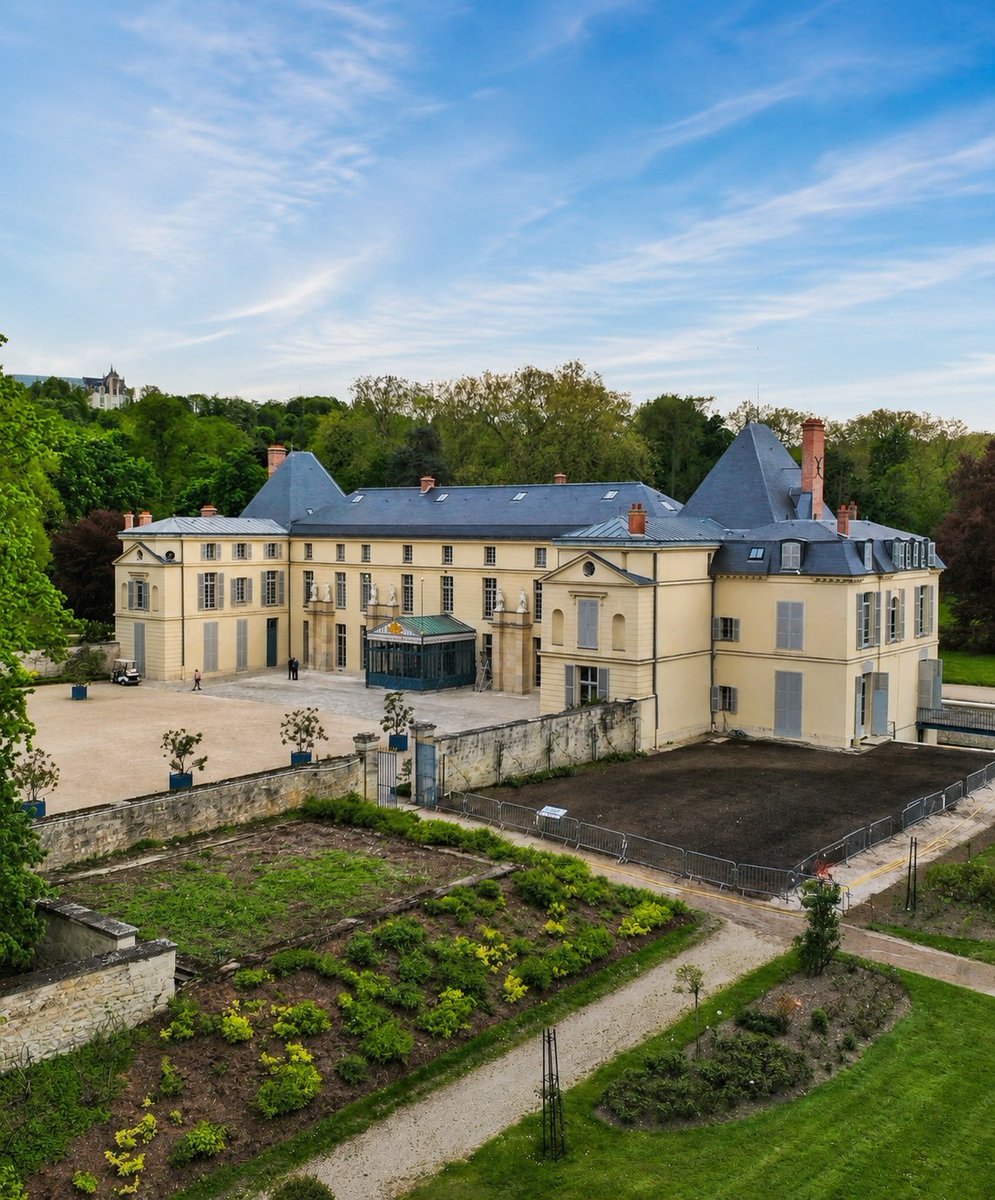
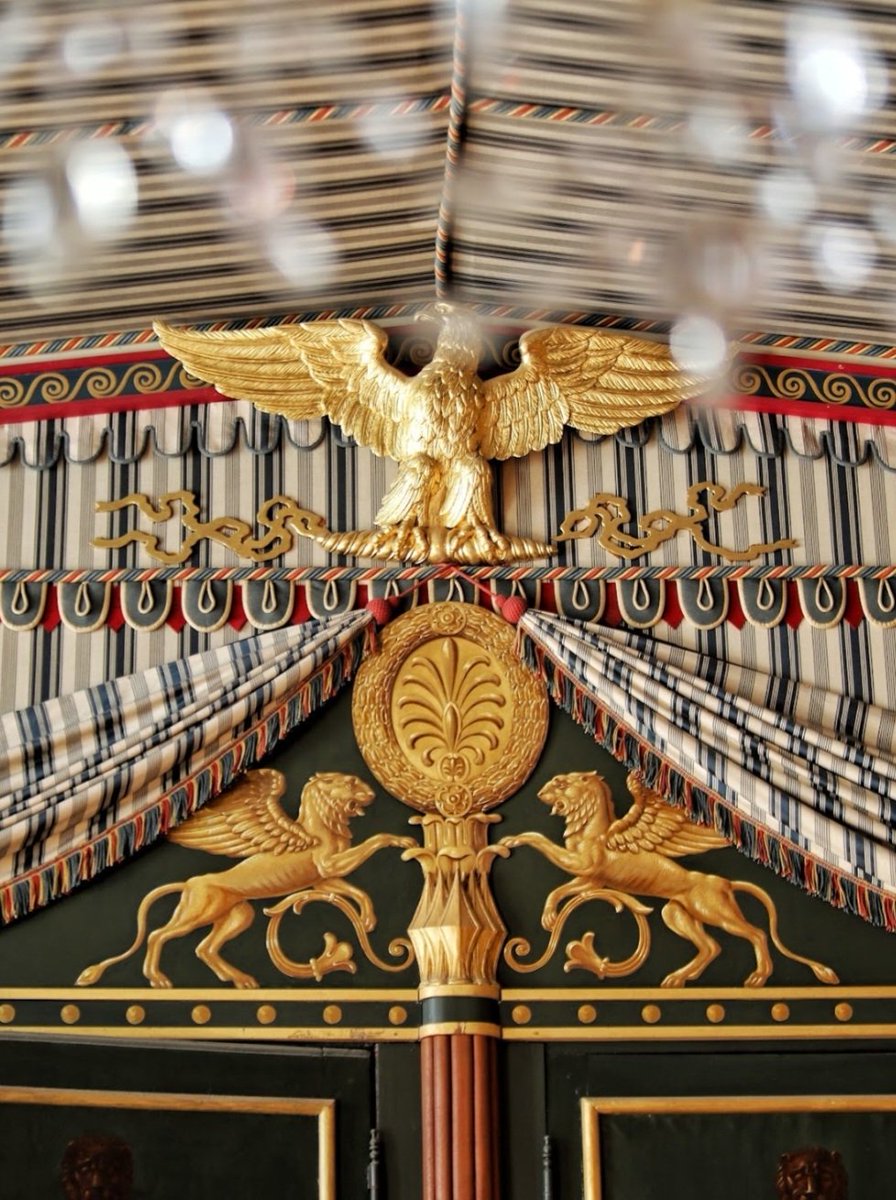
 Image: Château de Malmaison, Rueil-Malmaison
Château de Malmaison has highlighted a striking episode in the Napoleonic history of the house: architect Pierre Fontaine furnished the Salle du Conseil in just 10 days. The museum’s social post presents the room as a concentrated display of imperial symbolism, underscoring the speed and visual ambition behind the interior transformation.
According to the museum, the scheme brought together eagle motifs, winged griffins and antique-style friezes. The post frames these elements as part of the room’s imperial décor, with the visual language used to project authority and grandeur in Napoléon’s residence at Malmaison.
The reference comes from Château de Malmaison, the former imperial residence in Rueil-Malmaison now associated with the Musées nationaux. In this context, the museum is using a brief historical note to draw attention to the decorative strategies that shaped the château’s interiors during the Napoleonic period.
Pierre Fontaine is named in the museum’s post as the architect responsible for the arrangement of the Council Room. No additional biographical details are provided in the source material, but the mention places Fontaine within the circle of designers who helped define the furnishings and symbolic program of the château.
The post does not describe a current exhibition or new installation. Instead, it functions as a historical reminder of how quickly the room was completed and how deliberately its ornament was assembled. The emphasis falls on the room’s imperial vocabulary rather than on a contemporary event, with the museum drawing attention to the decorative compression of power, prestige and classicizing reference.
Château de Malmaison’s message concludes with the image of an interior packed with symbolic detail, from the eagle and griffin to the antique frieze, all presented as evidence of the imperial style asserted by Napoléon at Malmaison.