Image: Buenos Aires Museum of Modern Art
The Buenos Aires Museum of Modern Art will host ‘Memoria y futuro’ on August 7 and 8, a two-day public program built around conversations, public interviews, roundtables and performance activations focused on how art intervenes in the construction of collective memory. The free event will bring together artists, curators and researchers to discuss the preservation of human rights and the strengthening of democratic culture, according to the museum’s announcement.
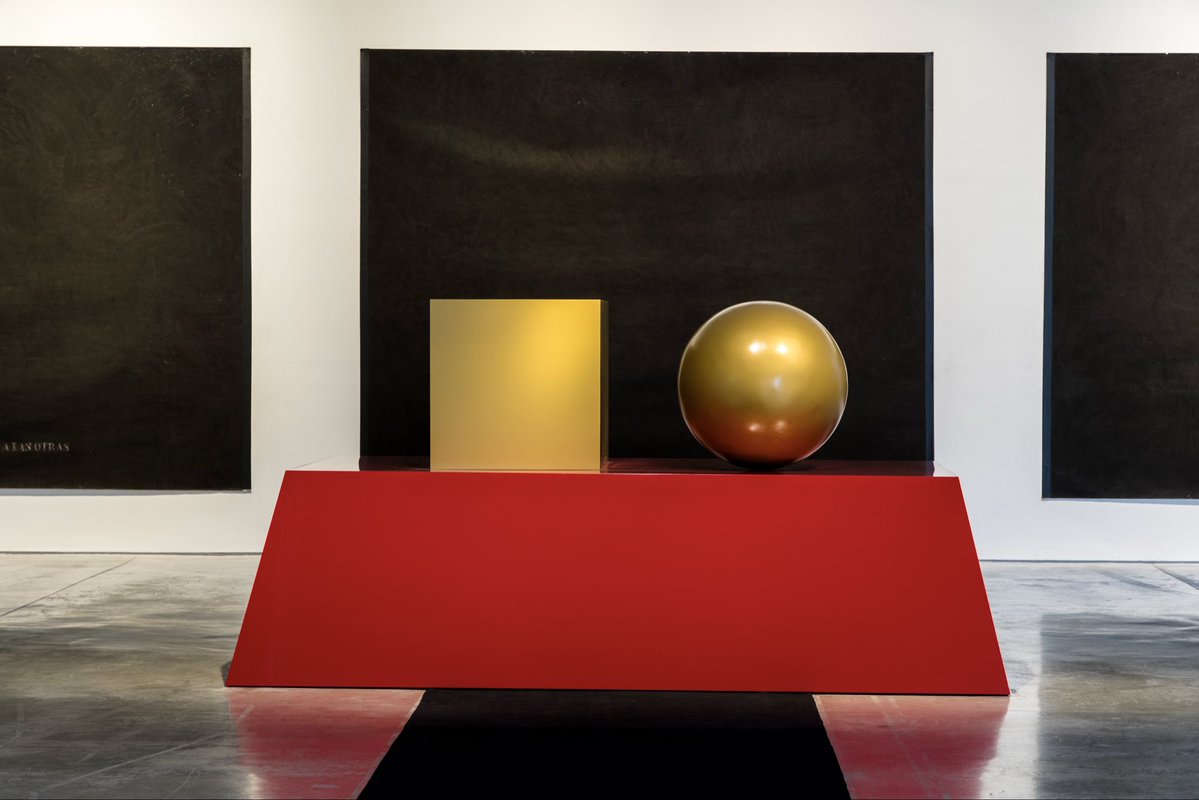
The program is being framed by two milestones: the museum’s 70th anniversary and the 50th anniversary of the coup d’état that led to Argentina’s last military dictatorship. In that context, the museum is positioning the event as part of an ongoing institutional effort to extend debates already opened through recent exhibitions, including ‘Darkness Visible: The Long Shadow of Dictatorship’ and ‘La memoria de la colección: El Moderno en el Parque’.
According to the published schedule, activities will run on both days from 3 p.m. to 7 p.m., with an added closing performance on the first day at 7:30 p.m. The event is organized around a set of themes that connect the visual, performative and conceptual strategies artists have used to resist censorship, as well as the role museums can play in defending democratic culture.
The first day begins at 3 p.m. with the presentation of ‘Memoria y futuro’, led by Victoria Noorthoorn, director of the museum; Florencia Battiti, director of Parque de la Memoria – Monumento a las Víctimas del Terrorismo de Estado; and Augusto Maurandi, director of Spazio Punch. At 4 p.m., Noorthoorn and Patricio Orellana, head of the museum’s curatorial department, will present ‘Darkness Visible: The Long Shadow of Dictatorship’.
At 5 p.m., a roundtable titled ‘El círculo afectivo de la memoria’ will bring together artists who participated in ‘Darkness Visible’: Nicanor Aráoz, Eduardo Basualdo, Marcelo Brodsky, Flavia Da Rin and La Organización Negra, represented by Manuel Hermelo and Pichón Baldinu. Orellana will moderate. The 6 p.m. session, ‘La imagen como testimonio’, will focus on photography and image-making as tools for constructing memory, with Eduardo Gil, Aldo Sessa, Gianni Mestichelli and the Archivo de la Memoria Trans, moderated by Fernando García, curator of public programs at the museum.
The Friday program ends at 7:30 p.m. with a performance by Fernando Noy, who will give a performative reading of ‘Cadáveres’ by Néstor Perlongher. On the second day, at 3 p.m., the museum will present ‘La memoria de la colección: El Moderno en el Parque’, led by Nicolás Cuello, curator of the museum, and Cecilia Nisembaum, curator at Parque de la Memoria, together with Valeria Semilla, head of collections, and Pino Monkes, head of conservation.
That presentation will address the care and preservation work behind the works currently shown at Parque de la Memoria, including preserving, storing, cataloguing, digitizing and potentially lending them. Later sessions will include ‘Pintura: figuración y represión’ at 4:30 p.m. with Juan José Cambre, Duilio Pierri and Gabriel Salomón; ‘Género, abstracción, espiritualidad y política’ at 5:30 p.m. with Cuello, Paola Vega and Laura Códega; and a public conversation at 6:30 p.m. with Brodsky, presented by the museum as a reference for artistic work and institutional management linked to preserving memory about the military dictatorship in Argentina.