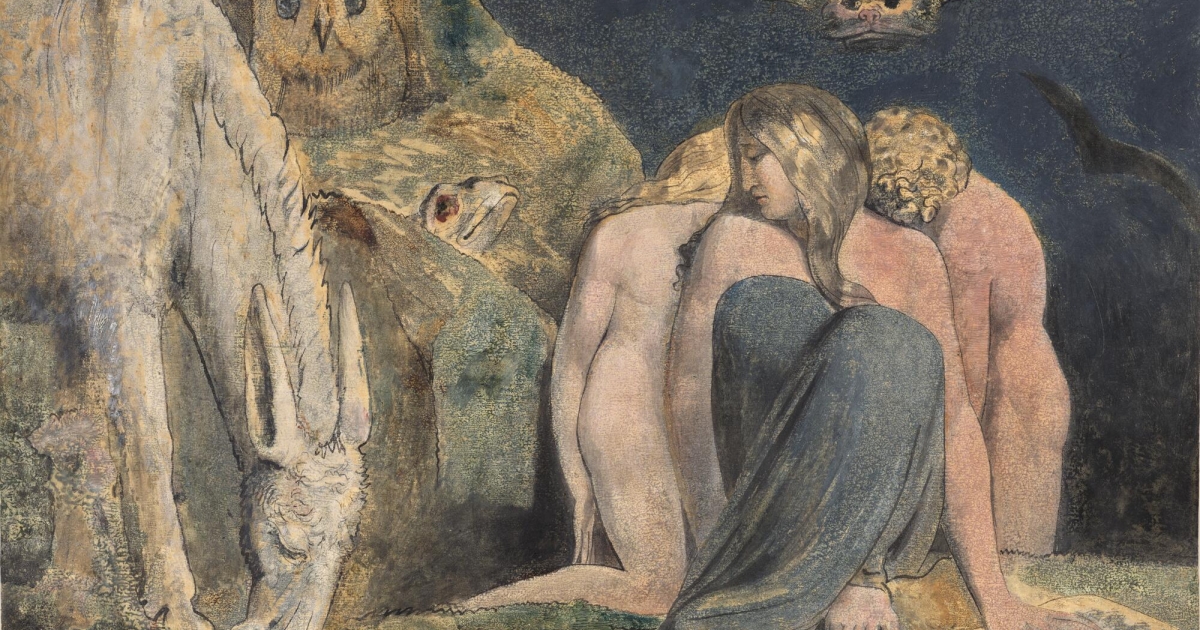
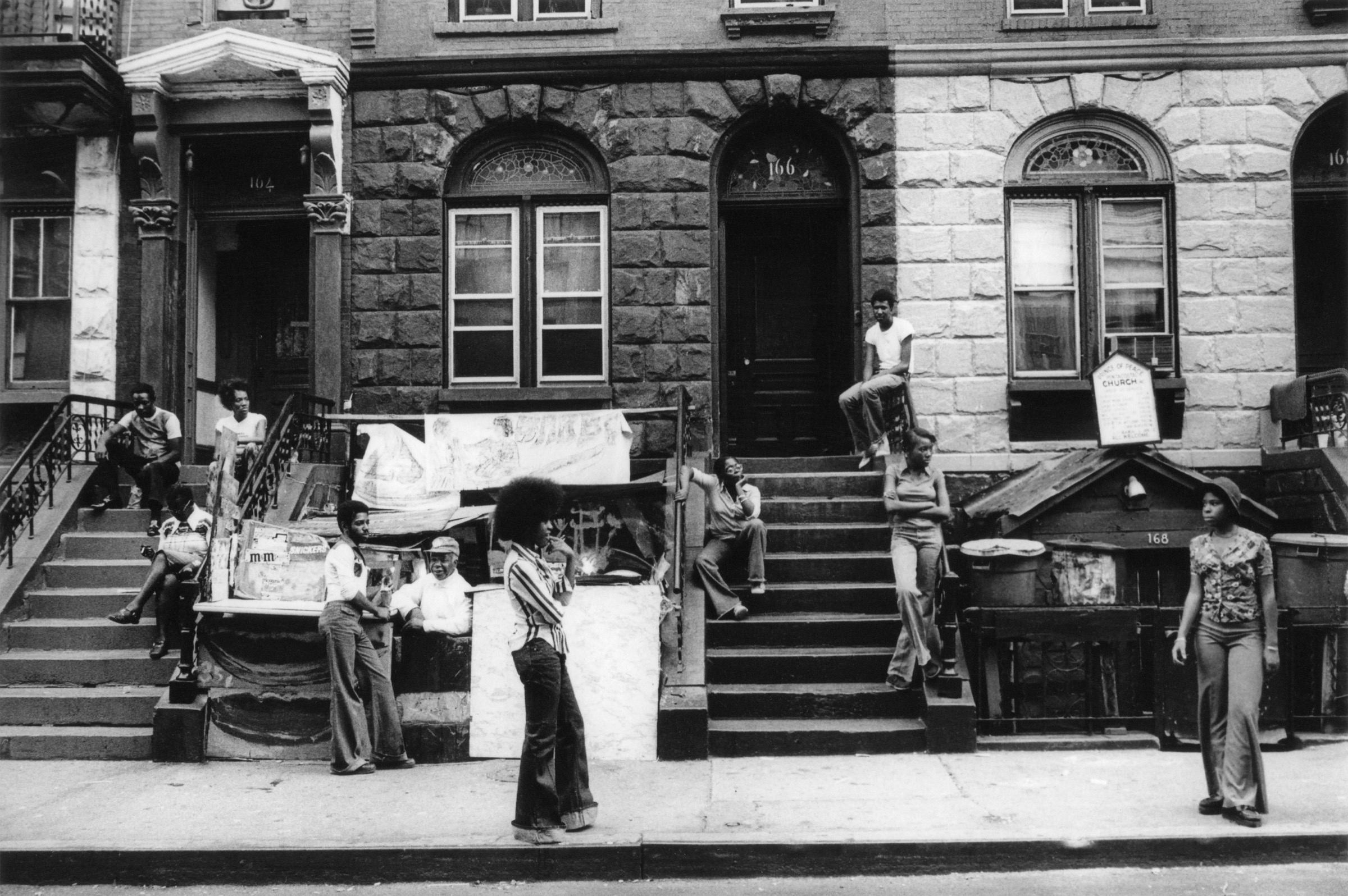
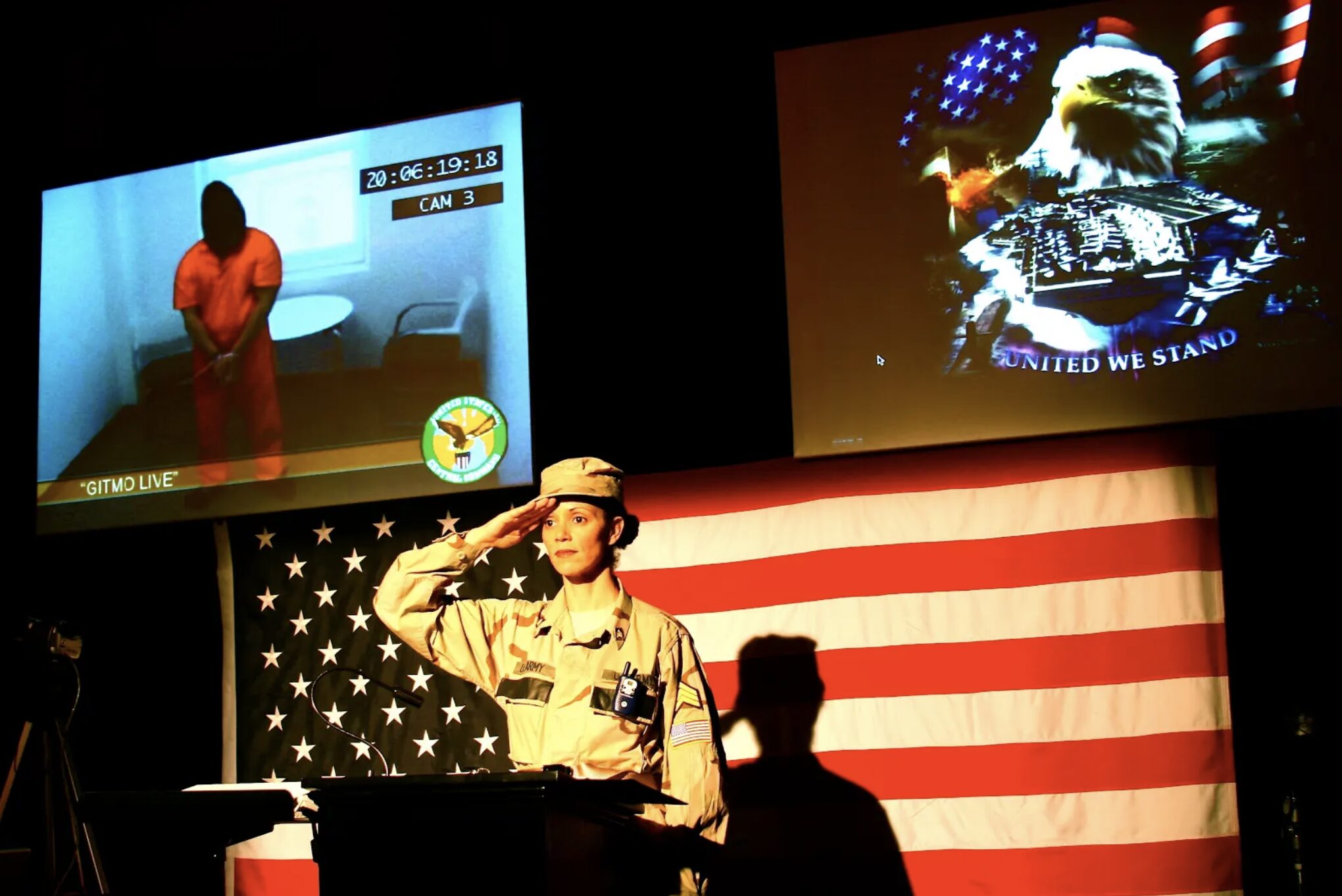
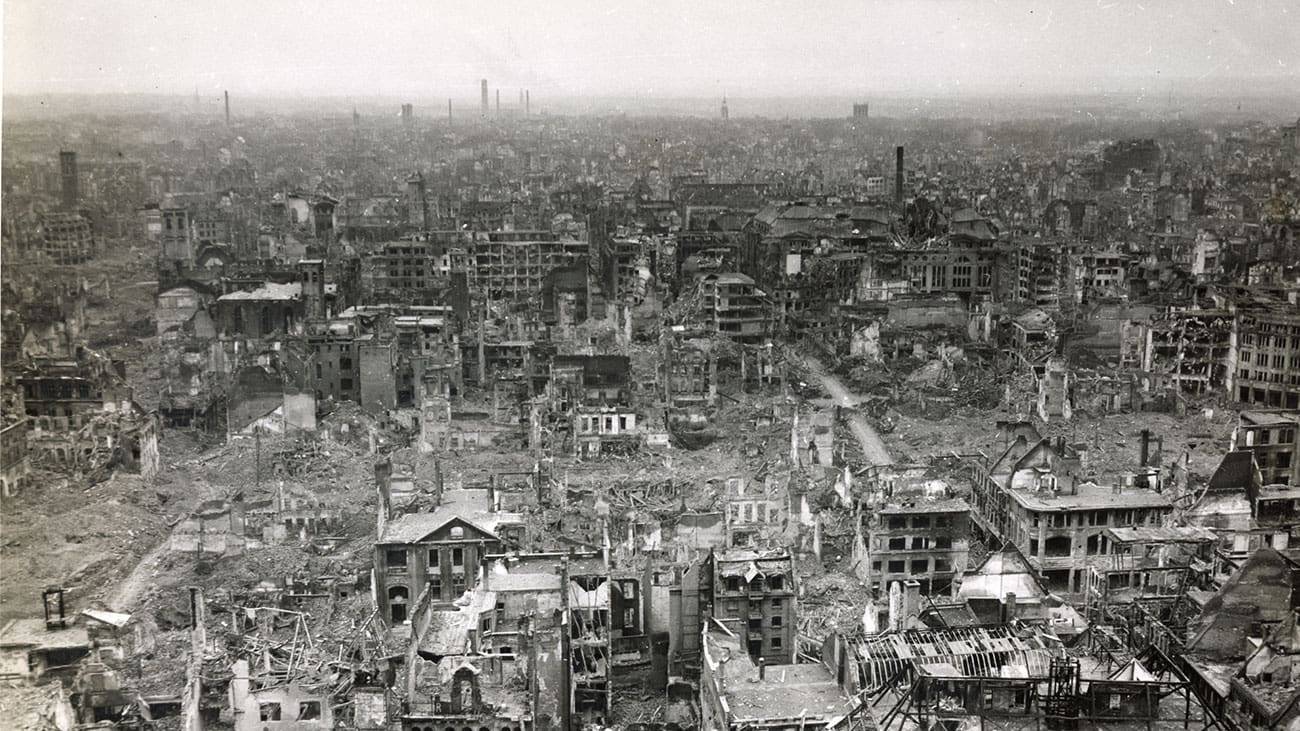
 Image: Museum of Fine Arts, St. Petersburg, Florida, Fort Collins
The Museum of Fine Arts, St. Petersburg has unveiled 'A Terrible Beauty: Photographers Amid Chaos', an exhibition that looks at how photographers have documented conflict, loss and transformation across more than a century of history. Now on view, the show stretches from the American Civil War to the September 11 attacks, placing documentary images in dialogue with artistic expression.
According to the museum, the exhibition draws on works from the MFA’s photography collection and is supplemented by loans from Drs. Robert and Chitranee Drapkin. The presentation appears in the museum’s 'Explore the Vaults' context, emphasizing the role of collection-based exhibitions in bringing rarely seen or historically resonant material into public view. The online and email materials describe the project as a powerful examination of how images made in moments of upheaval can also function as works of art.
That dual emphasis is central to the exhibition’s significance. Photography has long occupied a difficult and influential position in the art world: it can serve as record, evidence and witness, while also shaping visual culture through composition, timing and authorial intent. By framing the show around chaos and aftermath, the MFA is underscoring a question that remains urgent for museums and audiences alike: how do images made in crisis become part of the broader history of art?
The title 'A Terrible Beauty' suggests that the exhibition is concerned not only with devastation, but with the aesthetic and emotional complexity that can emerge from documentary practice. The museum’s framing indicates that the works selected do not simply illustrate events; they explore the relationship between reportage and artistic interpretation. That approach situates the exhibition within a wider museum conversation about how collections can be used to examine both history and the evolving language of photography.
Institutionally, the exhibition also reflects the MFA’s emphasis on its photography holdings. The museum describes its collection as renowned, and the decision to feature it in a show about conflict and transformation gives the material added public relevance. At a time when photographs circulate rapidly and often fragmentarily, an exhibition like this can slow the encounter down, inviting viewers to consider how images of war, grief and national trauma shape collective memory.
The museum’s website identifies 'A Terrible Beauty: Photographers Amid Chaos' as now on view, but the source material does not provide a separate closing date or event schedule. Even so, the exhibition’s premise makes clear why it matters beyond St. Petersburg: it connects major moments in American history to the enduring museum question of how photography is preserved, interpreted and presented. In doing so, it offers a timely reminder that documentary images are not only historical documents but also part of the art historical record.